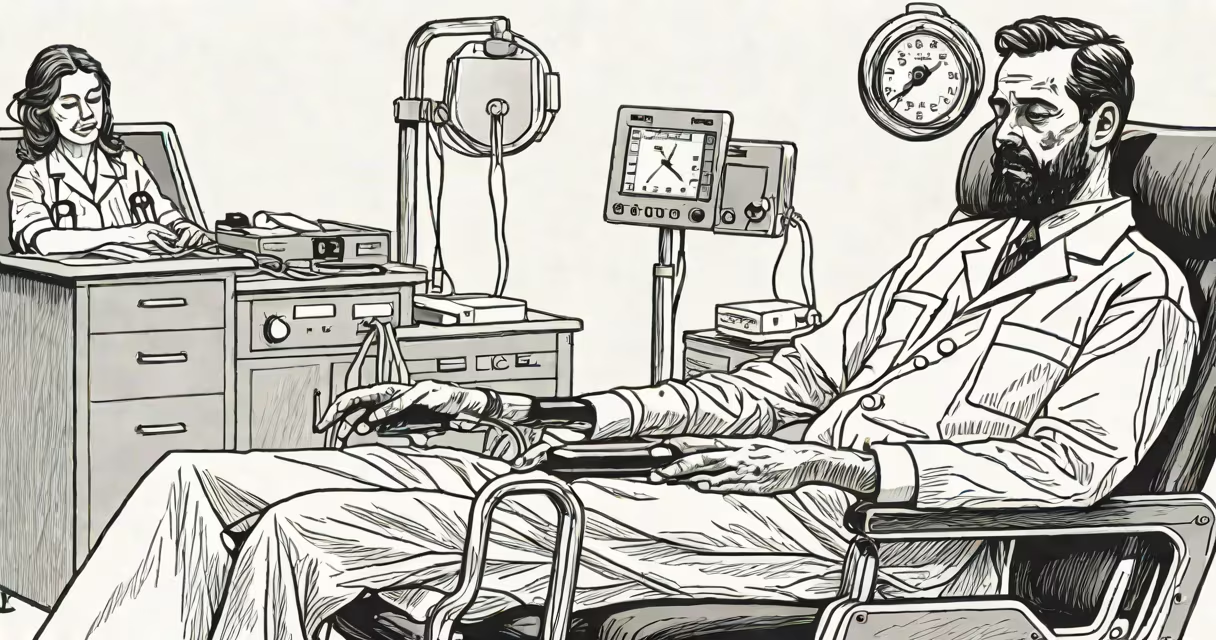
Fainting during blood donation occurs when your body overreacts to the stress of the procedure, causing a sudden drop in heart rate and blood pressure. This reflex, known as a vasovagal response, is the most common reason people lose consciousness while donating blood.
The process begins when your nervous system detects the needle insertion or the sight of blood. In response, the vagus nerve triggers a cascade: blood vessels dilate, and the heart slows. This reduces blood flow to the brain, leading to lightheadedness, blurred vision, and fainting. The reaction typically happens within minutes of needle insertion or shortly after.
According to the American Red Cross, about 1 in 10 donors experiences a fainting episode during or shortly after donation. Most episodes last less than 30 seconds and resolve quickly once lying down. The body's natural recovery mechanism kicks in-blood flow returns to the brain, and consciousness returns.
The vasovagal response is a protective reflex rooted in evolutionary biology. It evolved to help reduce blood loss during injury by lowering blood pressure and slowing circulation. In modern settings, such as blood donation, this same mechanism can be triggered by emotional stress, pain, or even anticipation.
When the brain senses a threat-real or perceived-it activates the parasympathetic nervous system via the vagus nerve. This causes systemic vasodilation and bradycardia (slowed heart rate). As blood pools in the extremities and veins, cerebral perfusion drops. Without adequate oxygenated blood reaching the brain, fainting occurs.
A 2016 study published in Transfusion found that donors who reported anxiety or fear of needles were twice as likely to experience vasovagal syncope compared to those without such concerns. The study emphasized that psychological factors play a measurable role in donor reactions.
Not all fainting episodes are the same. Some donors experience mild dizziness, others develop cold sweats, nausea, or ringing in the ears before losing consciousness. These symptoms fall along a spectrum of autonomic nervous system overreaction.
| Symptom | Common Trigger | Typical Duration |
|---|---|---|
| Lightheadedness | Needle insertion, standing too soon | Seconds to minutes |
| Nausea and sweating | Anticipation, anxiety, low blood sugar | 1-5 minutes |
| Fainting (syncope) | Vasovagal reflex, prolonged standing | Under 30 seconds |
Some donors report feeling fine until they stand up after donation. This orthostatic hypotension-drop in blood pressure upon standing-can trigger fainting even if the donation itself was uneventful. The American Society of Hematology notes that standing too quickly after donation increases risk by nearly 40% in susceptible individuals.
Many assume fainting during donation signals poor health or indicates a serious underlying condition. That's not accurate. Most cases are benign and related to normal nervous system responses. The body isn't failing-it's reacting as designed.
Another misconception is that donating blood causes permanent damage. The human body replaces the lost plasma volume within 24 hours and red blood cells in 4-6 weeks. A standard donation removes about 450 mL of blood-roughly 10% of total blood volume. This amount is safe for healthy adults weighing over 110 pounds.
Fainting is not a sign of low iron. While iron deficiency can cause fatigue, it doesn't directly cause syncope during donation. Iron levels are checked before donation, and donors with low hemoglobin are deferred. Fainting is more closely linked to neurological reflexes than to iron stores.
I once observed a donor faint during a community blood drive. She had volunteered after seeing a social media post about helping patients. She sat calmly through the initial screening, passed all eligibility checks, and began donation. Within two minutes, her face turned pale, her arms went limp, and she slumped forward. Staff moved her to a reclining chair immediately.
She regained consciousness in under 20 seconds. After resting and drinking water, she felt fine. When asked later, she said she'd never fainted before but had a "wave of dizziness" when the needle went in. Her experience aligns with clinical patterns: sudden onset, short duration, full recovery.
Donation centers take steps to minimize fainting. You'll be seated throughout the process, and staff monitor important signs. If you feel dizzy, tell them immediately. Lying down and elevating your legs restores blood flow to the brain faster than standing.
To reduce risk:
Recovery time averages 3-5 minutes. Staff provide snacks and fluids. If symptoms persist beyond 10 minutes, further evaluation may be needed. But in most cases, recovery is complete within minutes.
After a fainting episode, donors are advised to wait at least 24 hours before donating again. This allows the nervous system to reset and prevents recurrence. The American Red Cross recommends rescheduling if you experienced syncope, even if you feel fine.
Fainting during donation is usually harmless. But if you experience recurrent episodes, especially with chest pain, irregular heartbeat, or confusion, consult a doctor. These could indicate cardiac arrhythmias or other conditions requiring evaluation.
For context, the National Institutes of Health reports that syncope affecting more than 1% of the population annually is considered clinically significant. Most blood donation-related fainting events fall below this threshold and are not associated with long-term risk.
Donating blood saves lives. Knowing why fainting happens helps you prepare-and stay in the game. Your next donation could be the one that changes someone's life.