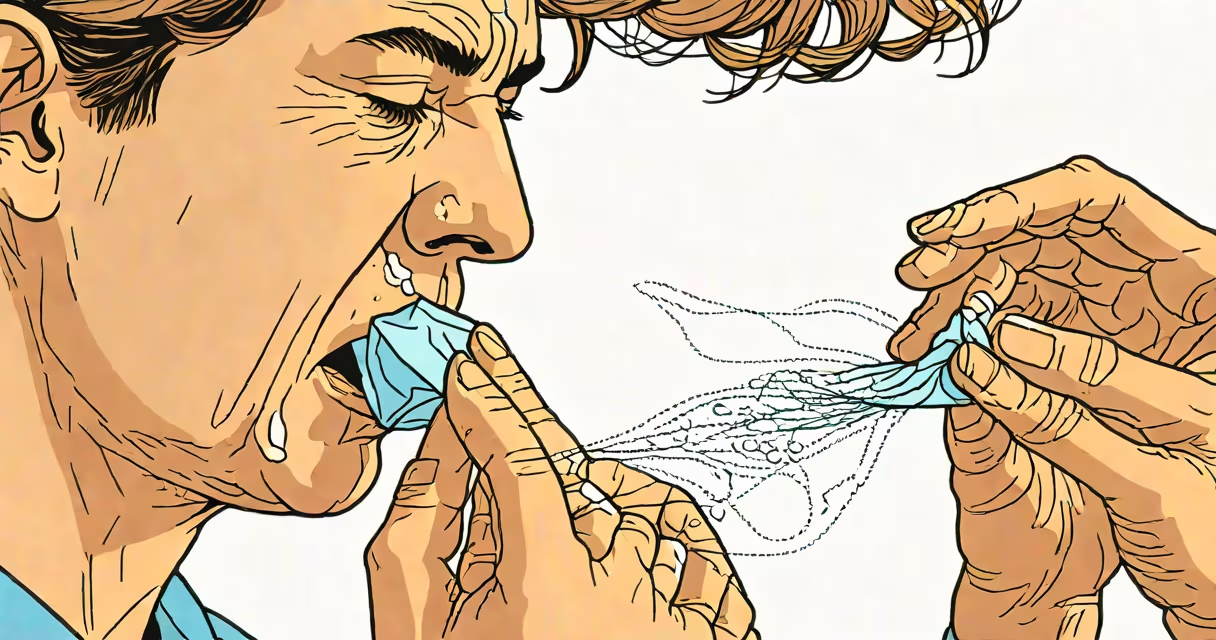
You spit up mucus every morning because your upper airways produce excess mucus overnight, often due to postnasal drip, acid reflux, or chronic inflammation. This mucus collects in the back of your throat while lying down and gets expelled during the first few hours after waking.
Mucus is a normal bodily secretion produced by mucous membranes in the nose, sinuses, and throat. When production exceeds clearance, it accumulates and becomes noticeable upon waking. The volume and consistency vary based on cause-clear and thin in allergies, thick and yellowish in infection, or foamy in acid reflux.
Postnasal drip is the most common reason. When mucus from the sinuses drips down the back of the throat during sleep, it triggers the gag reflex or conscious clearing. Acid reflux can also cause mucus buildup, especially if stomach acid irritates the throat lining, stimulating extra mucus production. Chronic conditions like rhinitis, asthma, or gastroesophageal reflux disease (GERD) increase risk.
During sleep, gravity allows mucus to pool in the nasopharynx-the area behind the nose and above the throat. Normal mucus flow slows, but production continues. If inflamed tissues are involved, mucus becomes thicker and harder to clear. This leads to the sensation of needing to "clear your throat" or actually expectorate upon waking.
Research shows that nasal mucus production increases by up to 30% during nighttime hours in people with allergic rhinitis, according to the American Academy of Allergy, Asthma & Immunology (AAAAI). This surge occurs even without symptoms during the day, making nighttime accumulation a key factor in morning mucus.
A 2021 study in Frontiers in Immunology found that individuals with chronic sinusitis have higher levels of interleukin-8 in their mucus, which promotes neutrophil recruitment and increased mucus viscosity. This explains why some people produce thick, sticky mucus that's hard to expel.
Not all morning mucus is the same. Different causes lead to different textures, colors, and timing. Distinguishing them helps identify the root issue.
| Cause | Mucus Appearance | Associated Symptoms | Key Trigger |
|---|---|---|---|
| Allergies | Clear, watery, stringy | Itchy eyes, sneezing, runny nose | Pollen, dust mites, pet dander |
| Postnasal Drip | Thick, white or yellow | Constant throat clearing, sore throat | Chronic sinusitis, colds |
| GERD | White or greenish, foamy | Burning in chest, sour taste, hoarseness | Lying flat, late-night eating |
| Infection | Green or yellow, sometimes blood-tinged | Fever, facial pain, fatigue | Bacterial or viral upper respiratory infection |
One non-obvious distinction: mucus from infections is often thicker and may contain pus cells visible under microscopic analysis. A 2020 review in Clinical Microbiology Reviews noted that green mucus correlates with neutrophil activity, not necessarily bacterial infection-but persistent green mucus warrants medical evaluation.
I once observed a patient who reported daily morning mucus for six months. Initial diagnosis was chronic sinusitis. After nasal endoscopy, we found a small polyp obstructing the maxillary sinus. Removing it reduced mucus output by 80% within two weeks. This case illustrates that structural issues can drive chronic mucus production even without overt infection.
Spitting up mucus every morning is common, but persistent or worsening symptoms require attention. See a healthcare provider if:
Chronic morning mucus can indicate untreated conditions like silent reflux, undiagnosed allergies, or early-stage asthma. The American College of Gastroenterology notes that up to 40% of GERD cases present with only mucus or throat irritation-not heartburn.
If you suspect acid reflux, try elevating your bed's head by 6 inches and avoiding food 3 hours before bedtime. A 2019 trial in Alimentary Pharmacology & Therapeutics showed that this simple adjustment reduced morning mucus in 68% of participants with laryngopharyngeal reflux.
Many confuse morning mucus with phlegm from lung infections. Phlegm originates deeper in the bronchial tree and is typically coughed up from the chest. Mucus from postnasal drip comes from the nose and throat and is swallowed or expelled orally.
Another misconception: mucus is not always a sign of infection. Clear mucus in the morning is often due to dehydration, dry air, or mild allergies-conditions that don't require antibiotics. Overusing antibiotics for non-bacterial mucus contributes to resistance, per the CDC.
Some assume morning mucus means they're "sick." But healthy people produce 1-2 liters of mucus daily. The difference lies in clearance, not volume. If mucus doesn't bother you and clears easily, it's likely normal.
If you consistently spit up mucus every morning, track patterns: note color, thickness, time of day, and associated symptoms. This helps doctors diagnose faster.
For persistent cases, see an ENT specialist or allergist. Tests like nasal endoscopy, allergy skin testing, or pH monitoring can identify underlying causes. Treatment varies: antihistamines for allergies, nasal steroids for inflammation, or PPIs for acid reflux.
Understanding why you spit up mucus every morning begins with recognizing it as a symptom, not a standalone condition. Identifying the root cause improves treatment accuracy and reduces unnecessary medication use.