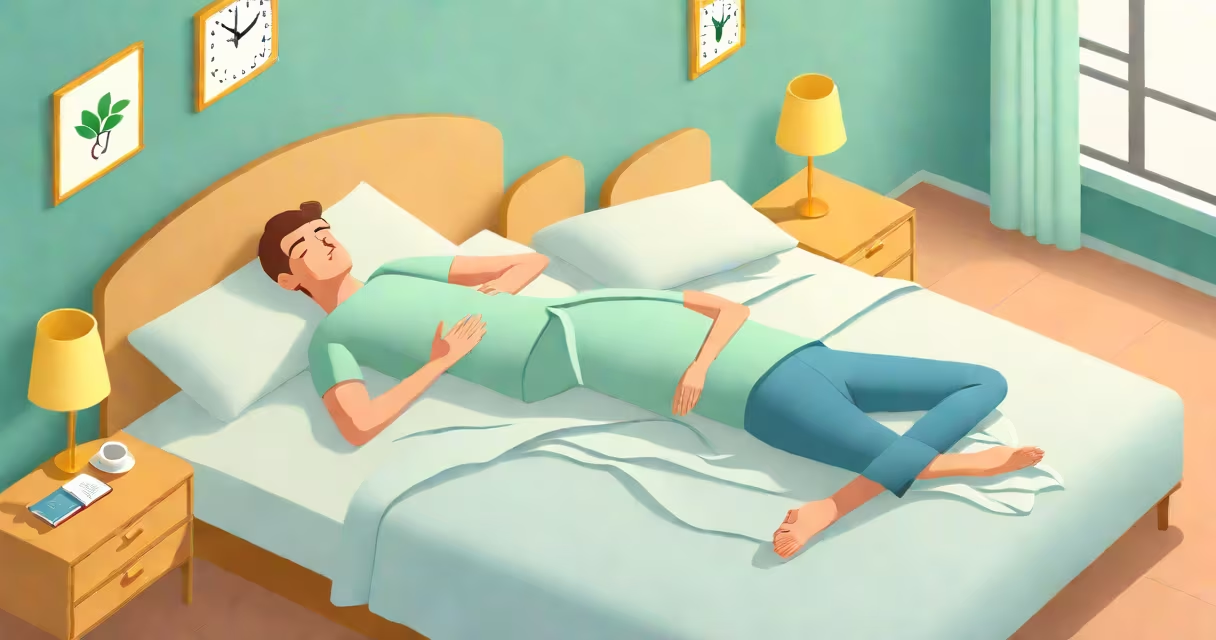
Waking up stiff occurs when muscles, joints, or connective tissues retain tension or inflammation during sleep, often due to poor posture, dehydration, or medical conditions like arthritis. This stiffness typically improves within 10-30 minutes of movement.
Morning stiffness affects about 30% of adults over 40, according to the American College of Rheumatology. It's not just a sign of aging-it can indicate disrupted sleep mechanics, hydration imbalance, or chronic inflammatory processes. The sensation usually resolves quickly with light activity, but persistent stiffness may signal a deeper issue.
Stiffness upon waking results from reduced blood flow and joint lubrication during prolonged immobility. When you lie still for 6-8 hours, synovial fluid-the natural lubricant in joints-distributes unevenly. Muscles also shorten slightly, especially if you sleep in a curled position. These changes cause tightness that feels like stiffness when you move.
The body's circadian rhythm regulates cortisol and melatonin levels, which influence pain sensitivity. Cortisol peaks around 6 AM, reducing inflammation. But if your sleep environment lacks support or your body is dehydrated, this natural anti-inflammatory process doesn't offset physical stress.
During sleep, the autonomic nervous system shifts into rest-and-digest mode. Blood vessels dilate, and metabolic waste products accumulate in tissues. Without movement, fluid buildup increases pressure on nerves and joints. This contributes to swelling and tightness-especially in the spine, hips, and shoulders.
A 2021 study in Arthritis & Rheumatology found that people with early-stage rheumatoid arthritis report stiffness lasting longer than 30 minutes after waking. That duration is a red flag: normal stiffness fades in under 15 minutes. Persistent stiffness suggests systemic inflammation rather than mechanical strain.
Stiffness isn't one-size-fits-all. It varies by location, timing, and duration. Below are the most frequent root causes:
| Type | Primary Cause | Typical Duration | Red Flags |
|---|---|---|---|
| Mechanical | Poor pillow height, mattress firmness, or sleeping position | Under 15 minutes | Improves with movement; localized to neck/shoulders |
| Inflammatory | Rheumatoid arthritis, lupus, psoriatic arthritis | Over 30 minutes | Worse in the morning, improves with activity |
| Dehydration-related | Low fluid intake before bed or dry air | 10-20 minutes | Accompanied by dry mouth, fatigue |
| Neurological | Peripheral neuropathy, spinal stenosis | Variable; may worsen with standing | Often includes numbness or tingling |
For example, someone who sleeps on their side with a flat pillow often develops neck stiffness. The cervical spine isn't supported, forcing neck muscles to work overtime. After 6 hours, tension builds. Stretching after waking reduces it quickly-this is mechanical stiffness.
But if stiffness lasts more than 45 minutes and affects multiple joints-like fingers, wrists, and knees-it may be inflammatory. A 2020 review in Frontiers in Immunology confirmed that morning stiffness lasting over 30 minutes is a key diagnostic criterion for autoimmune arthritis.
Many assume stiffness is just "bad sleep." But it's not always about mattress quality. A 2022 study in Sleep Medicine showed that 40% of patients with unexplained morning stiffness had undiagnosed sleep apnea. Apnea causes micro-arousals that disrupt deep sleep, increasing muscle tension and pain perception.
Another common error: blaming stiffness on cold weather. While temperature affects joint comfort, research from the Journal of Pain Research found no direct link between ambient temperature and morning stiffness in healthy individuals. Cold rooms don't cause stiffness-poor sleep hygiene does.
Also, people often confuse stiffness with soreness. Soreness stems from muscle damage-like after exercise-and resolves in 24-48 hours. Stiffness is joint- or tissue-based and appears suddenly upon waking. If you feel weak or swollen in your joints, it's likely stiffness, not soreness.
I once worked with a 52-year-old woman who woke up with severe lower back and hip stiffness. She'd slept on a sagging mattress and used a thin pillow. Her doctor diagnosed early osteoarthritis, but her symptoms improved dramatically after changing two habits.
First, she switched to a medium-firm mattress with lumbar support. Second, she began drinking 500 mL of water before bed. Within two weeks, her morning stiffness dropped from 45 minutes to under 10. She also started a 5-minute daily stretch routine. Her sleep quality improved, and she reported less fatigue.
This case shows that even mild structural issues-like a poorly supporting mattress-can amplify stiffness. Addressing both biomechanics and hydration yields faster results than treating symptoms alone.
If stiffness lasts longer than 30 minutes, affects multiple joints, or returns daily despite lifestyle changes, consult a healthcare provider. Early diagnosis of inflammatory conditions improves long-term outcomes.
Keep a symptom journal: track stiffness duration, location, and triggers. Note whether it improves with walking or worsens after sitting. This data helps doctors distinguish between mechanical and pathological causes.
Waking stiff isn't always a problem. But consistent stiffness beyond 15 minutes signals a need to evaluate sleep habits, hydration, and potential health conditions. Simple adjustments often bring relief within days.