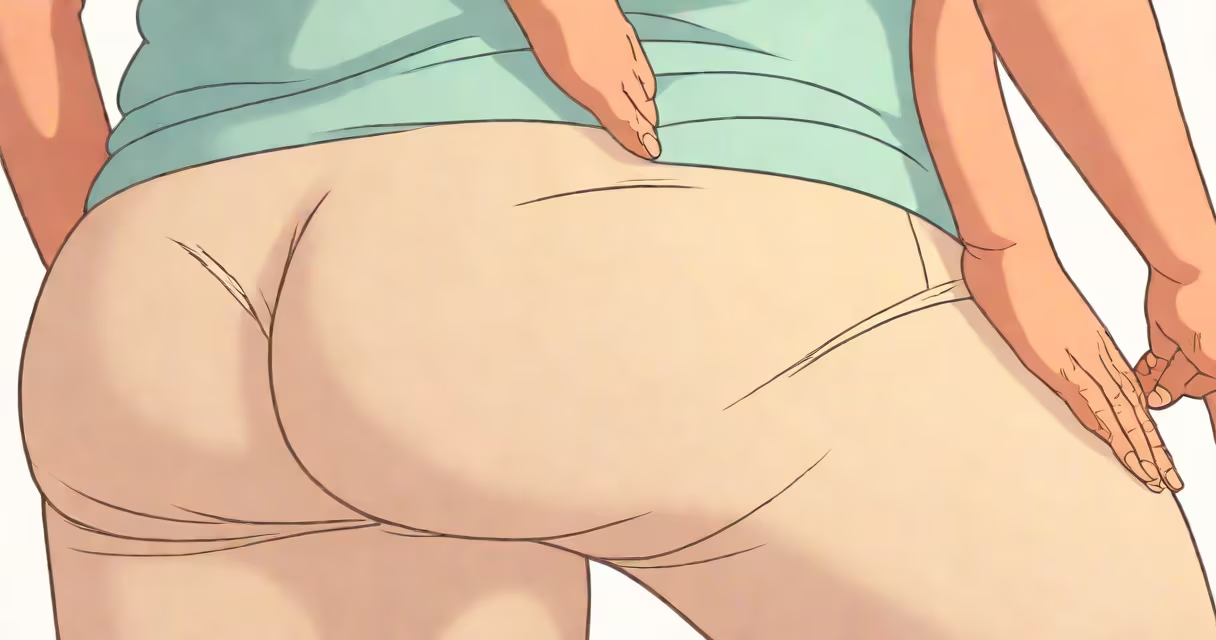
Butt cheek pain typically results from muscle strain, nerve compression, or prolonged pressure on the gluteal region. Common triggers include long periods of sitting, sudden movements, or underlying conditions like piriformis syndrome.
The gluteal muscles-the gluteus maximus, medius, and minimus-form the bulk of your buttocks. They stabilize the pelvis, power walking and running, and support upright posture. When strained, inflamed, or compressed by nearby nerves, they cause localized or radiating pain. Pain may be sharp during movement, dull and persistent while sitting, or tingling if nerves are involved.
Most cases resolve within days with rest and activity modification. But persistent or worsening pain may indicate a deeper issue requiring medical evaluation. Understanding the root cause helps determine whether home care suffices or professional treatment is needed.
Pain in the buttocks arises when tissues are stressed beyond normal limits. The gluteal muscles endure high loads during standing, lifting, and walking. Overuse-especially with poor form-leads to microtears and inflammation. This causes soreness, stiffness, and reduced mobility.
Nerve involvement changes the pain pattern. The sciatic nerve runs through the buttock, passing close to the piriformis muscle. When this muscle tightens or spasms, it compresses the sciatic nerve-a condition called piriformis syndrome. Symptoms include burning pain, numbness, or tingling that radiates down the leg, often mimicking sciatica.
Pressure from prolonged sitting, especially on hard surfaces or with poor posture, reduces blood flow and increases tissue stress. Office workers who sit 8+ hours daily report higher rates of gluteal discomfort. A 2021 study in Spine Journal found that sedentary office workers had a 3.6 times greater risk of developing chronic buttock pain compared to active peers.
Not all buttock pain comes from the same source. Identifying the likely cause helps guide treatment. Below are the most frequent contributors:
| Type | Key Features | Typical Triggers | Duration |
|---|---|---|---|
| Gluteal muscle strain | Dull ache, worsens with movement. Localized tenderness. | Sudden twist, heavy lift, intense exercise. | 3-7 days with rest. |
| Piriformis syndrome | Burning or tingling down the leg. Pain worsens with sitting. | Prolonged sitting, repetitive hip motion. | Weeks to months without intervention. |
| Ischial bursitis | Pain when sitting on hard surfaces. Swelling near the sit bones. | Frequent sitting, falls, repetitive kneeling. | Days to weeks with rest and anti-inflammatories. |
| Referred pain from spine | Pain radiates from lower back. May feel like sciatica. | Herniated disc, spinal stenosis. | Chronic if untreated. |
One non-obvious distinction: pain from the piriformis muscle is often misdiagnosed as sciatica. But sciatica refers specifically to nerve root irritation in the lumbar spine. Piriformis syndrome affects the nerve farther down, in the buttock. Mislabeling delays proper treatment. According to the American Academy of Orthopaedic Surgeons, up to 6% of sciatica cases are actually due to piriformis compression, not spinal issues.
Most mild cases improve with rest, heat, and gentle stretching. But certain red flags demand prompt attention. Seek care if pain lasts longer than two weeks despite home management, spreads down the leg below the knee, or causes weakness in the foot or ankle.
Loss of bowel or bladder control, saddle numbness (numbness in groin and inner thighs), or progressive leg weakness suggest cauda equina syndrome-a rare but serious condition requiring immediate surgery. The National Institute of Neurological Disorders and Stroke notes that delayed treatment increases the risk of permanent neurological damage.
I once treated a client who ignored persistent left-side buttock pain for six weeks. He assumed it was a pulled muscle. After a MRI revealed a herniated disc pressing on the sciatic nerve, he underwent physical therapy and avoided surgery. His story underscores why self-diagnosis can delay recovery.
For minor strains, apply ice for 15 minutes every 2-3 hours during the first 48 hours. After that, switch to heat to relax tight muscles. Avoid sitting for more than 30 minutes at a time. Stand, stretch, or walk every 30 minutes.
Try the pigeon pose: lie on your back, bend one knee, and place the ankle on the opposite thigh. Gently pull the bent knee toward your chest. Hold for 30 seconds. Repeat on the other side. This stretches the piriformis and glutes. Perform daily for 1-2 weeks.
If sitting is unavoidable, use a cushion with a cutout for the sit bones. A 2019 study in Journal of Physical Therapy Science showed that such cushions reduced ischial pressure by 42% compared to standard cushions.
Strengthening the glutes prevents future injury. Try bridges: lie on your back, knees bent, feet flat. Lift hips until shoulders, hips, and knees form a straight line. Hold for 3 seconds, lower slowly. Do 3 sets of 15 reps. Build strength gradually.