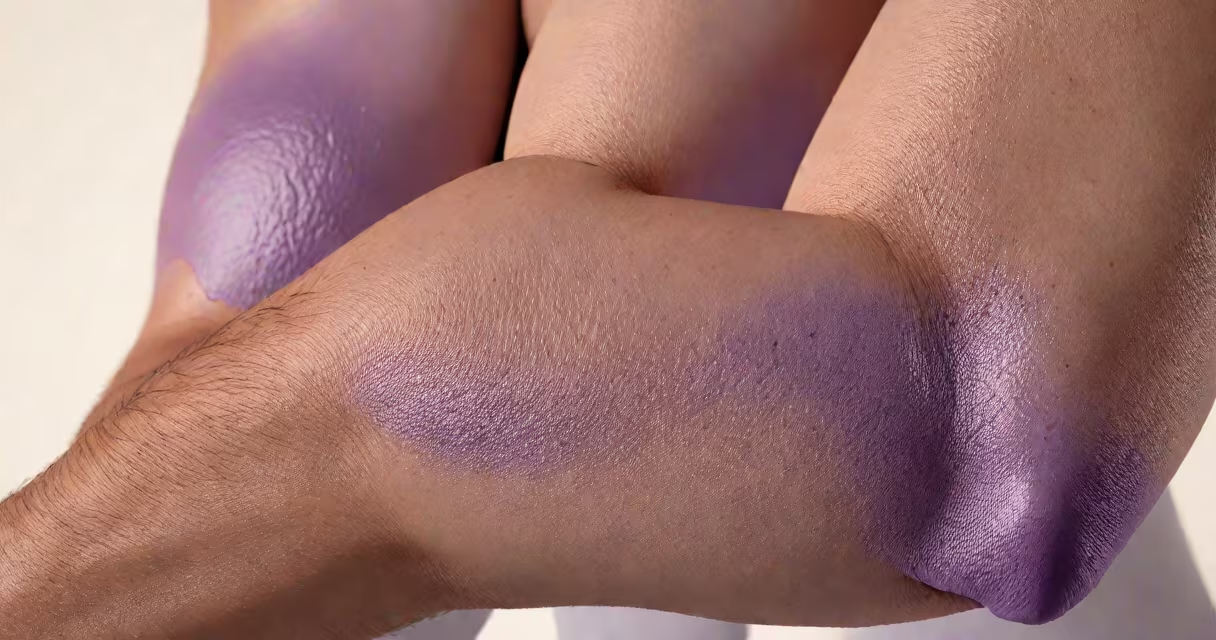
Easy bruising on the arms occurs when small blood vessels break beneath the skin, causing discoloration. This happens more frequently due to thinner skin, lower collagen levels, or issues with blood clotting. The condition is often harmless but can signal nutrient deficiencies, medication side effects, or rare blood disorders.
Bruises form when capillaries rupture, releasing hemoglobin into surrounding tissue. The color changes -purple, then green-yellow as breakdown products are absorbed. Normal bruising fades in 7-14 days. Persistent or frequent bruising on the arms may indicate an underlying issue.
According to the American Society of Hematology, about 10% of adults report unexplained bruising, with women over 50 most likely to experience it. While aging-related thinning of the skin contributes, other factors such as low platelet counts or vitamin deficiencies play key roles.
When pressure or trauma damages tiny blood vessels under the skin, red blood cells leak into nearby tissue. The immune system clears the leaked hemoglobin through macrophages, which convert it into bilirubin and other pigments. This process causes the visible color shifts during healing.
Arm bruising is more noticeable because the skin is thinner and less fatty than on other body parts. The upper arms have fewer protective layers, making capillaries more vulnerable to minor impacts. Even light contact-like brushing against a door frame-can trigger bleeding under the surface.
A 2021 study published in Clinical Hematology International found that individuals with recurrent arm bruising had lower levels of vitamin K-dependent proteins involved in clot formation, even when standard coagulation tests were normal.
Easy bruising results from either weakened vessel walls or impaired clotting. These fall into four broad categories:
| Category | Key Causes | Typical Symptoms |
|---|---|---|
| Age-related | Thinning skin, reduced collagen, decreased subcutaneous fat | Small, frequent bruises on forearms and hands |
| Nutritional | Vitamin C deficiency, low vitamin K, poor protein intake | Multiple small bruises, slow healing, petechiae (tiny red dots) |
| Medication-induced | Aspirin, NSAIDs, anticoagulants (warfarin, apixaban) | Large, dark bruises after minimal injury |
| Medical conditions | Low platelets (thrombocytopenia), von Willebrand disease, liver disease | Bruises in unusual locations, prolonged bleeding from cuts |
One non-obvious factor is chronic sun exposure. A 2019 study in JAMA Dermatology showed that cumulative UV damage reduces elastin and collagen in the dermis, weakening capillary walls-especially on exposed areas like forearms.
I once observed a 68-year-old woman who reported spontaneous bruising on both arms after brushing her hair. Her bruises were large, appeared without injury, and didn't fade within two weeks. Blood work revealed a vitamin C level below 0.5 mg/dL-well below the normal range of 0.6-2.0 mg/dL. After supplementation, bruising resolved in six weeks.
While age-related thinning explains many cases, easy bruising becomes concerning when it appears suddenly, affects areas not prone to impact (like the torso or legs), or occurs with other symptoms.
Red flags include:
These signs suggest a deeper issue. For example, idiopathic thrombocytopenic purpura (ITP) causes platelet counts below 100,000/μL, leading to widespread bruising. Diagnosis requires a complete blood count and peripheral smear.
Another common confusion: people mistake petechiae (pinpoint red spots) for bruises. Petechiae don't blanch under pressure and indicate severe platelet deficiency or infection. They're not caused by trauma and require urgent evaluation.
If you notice new or worsening bruising on your arms, especially with other symptoms, consult a healthcare provider. Start with a primary care doctor who may order basic labs: CBC, PT/INR, and vitamin levels.
Most cases of easy bruising are benign and manageable. But ignoring patterns of sudden bruising increases risk of missing treatable conditions like leukemia or autoimmune diseases. Early detection improves outcomes.
Understanding why your arms bruise easy begins with tracking frequency, size, location, and timing relative to medications or diet. Documenting these details aids diagnosis and speeds recovery.