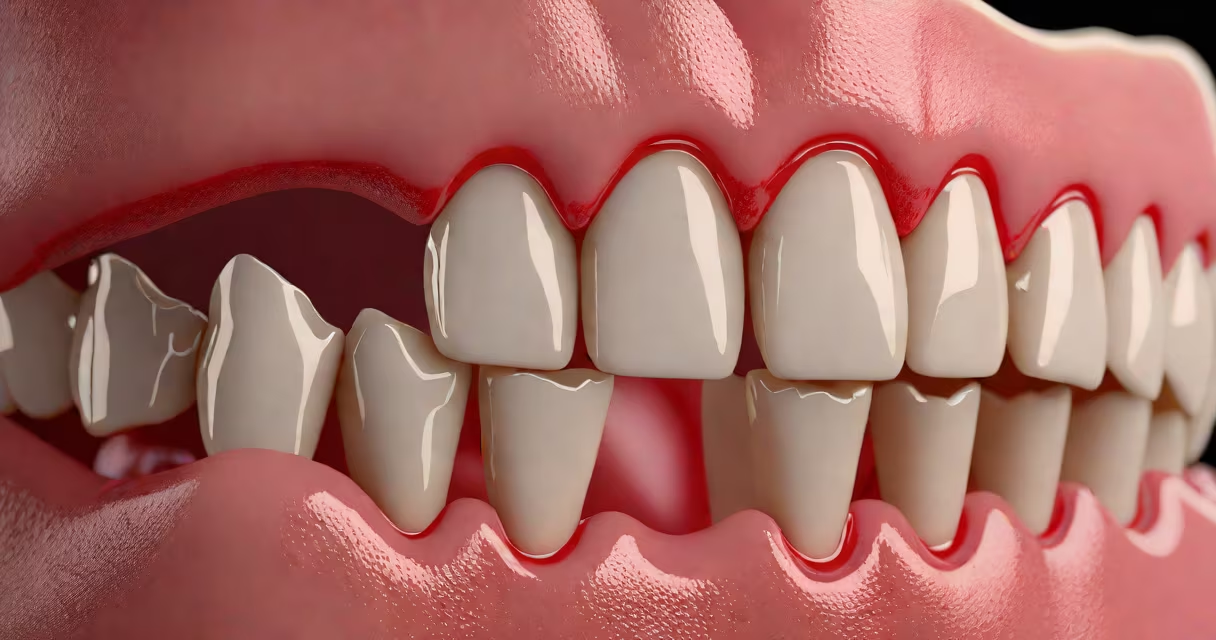
Gum swelling occurs when the soft tissues around your teeth become inflamed due to irritation, infection, or underlying health conditions. It's often a visible sign of gingivitis or early periodontal disease, but can also stem from hormonal changes, medication side effects, or nutritional deficiencies.
Swelling happens because blood vessels in the gums dilate and fluid accumulates in response to irritants. The most common trigger is plaque buildup along the gumline. Bacteria in plaque release toxins that provoke an immune response, leading to redness, tenderness, and puffiness. Left unchecked, this inflammation can progress to deeper pockets between teeth and bone loss.
According to the American Dental Association, nearly half of adults aged 30 and older have some form of periodontal disease. Early signs like occasional swelling may go unnoticed until pain or bleeding develops. Regular dental checkups detect issues before they advance beyond reversible stages.
The process begins with bacterial plaque adhering to tooth surfaces near the gumline. If not removed through daily brushing and flossing, plaque hardens into tartar within 24 to 48 hours. Tartar cannot be removed by brushing and requires professional cleaning.
As bacteria accumulate, they trigger the body's inflammatory response. White blood cells rush to the area, releasing enzymes meant to fight infection. These enzymes damage healthy gum tissue, causing swelling, bleeding, and discomfort. Over time, the gums pull away from teeth, forming pockets where more bacteria collect.
A 2021 study published in the Journal of Periodontology found that individuals with untreated gingivitis had a 3.6 times higher risk of developing moderate to severe periodontitis within five years. This progression underscores why intermittent swelling should not be ignored-even if it resolves on its own.
While plaque is the primary cause, several other factors contribute to temporary or recurring gum swelling:
One patient I treated had recurrent gum swelling during winter months. After ruling out oral hygiene issues, we discovered he was taking a new antihypertensive drug. Once his doctor adjusted the dosage, swelling resolved within three weeks-proof that medication side effects can mimic dental problems.
Different patterns of swelling suggest different underlying issues. Not all swelling is equal, and recognizing the context helps determine urgency.
| Type | Appearance | Common Cause | Red Flags |
|---|---|---|---|
| Localized swelling | Puffiness around one tooth, often tender to touch | Cavity near gumline, abscess, foreign object lodged in gum | Pain, pus discharge, fever-signs of infection needing immediate care |
| Generalized swelling | Entire gum line appears red, puffy, bleeds easily | Plaque accumulation, poor brushing habits, early gingivitis | Bleeding during brushing, persistent bad breath |
| Diffuse swelling with ulceration | Widespread redness, open sores, difficulty eating | Autoimmune disorders (e.g., Behçet's disease), fungal infections | Unexplained weight loss, fatigue, mouth ulcers lasting more than two weeks |
It's critical to distinguish between localized and generalized swelling. Localized swelling often indicates a focused issue like a tooth abscess, while generalized swelling points to chronic inflammation from poor oral hygiene or systemic factors.
Many people mistake gum swelling for a minor annoyance or temporary irritation. But it's rarely harmless. Swelling is not just cosmetic-it's a biological signal of tissue distress.
Some confuse it with tooth sensitivity, which involves nerve exposure and sharp pain when consuming hot, cold, or sweet foods. Sensitivity doesn't involve visible puffiness or bleeding. Others mistake it for a canker sore-a shallow ulcer inside the cheek or on the tongue-but canker sores don't affect the gumline and heal within 7-10 days.
A key distinction: true gum swelling persists beyond a few days even with improved brushing. If swelling returns despite twice-daily brushing and flossing, it suggests an underlying cause such as hormonal imbalance, medication, or undiagnosed diabetes.
Any swelling that lasts longer than seven days, especially with bleeding, pain, or pus, warrants evaluation by a dentist. Delaying treatment increases the risk of irreversible damage.
For example, a 42-year-old woman reported intermittent gum swelling for six months. She brushed twice daily and used mouthwash. Her dentist found deep periodontal pockets and recommended scaling and root planing. After treatment, her gums returned to normal. Without intervention, she would have lost multiple teeth within two years.
Early detection prevents progression. The American Academy of Periodontology states that 90% of periodontal cases are treatable when caught in the gingivitis stage. Once bone loss occurs, treatment becomes more complex and less predictable.
For mild, occasional swelling, improving oral hygiene can reduce symptoms. Brush for two minutes twice daily using a soft-bristled toothbrush. Floss daily to remove plaque between teeth. Use an antibacterial mouth rinse containing chlorhexidine, which reduces plaque by up to 60% in eight weeks, per a 2018 clinical trial.
Warm salt water rinses (1/2 teaspoon salt in 8 oz warm water) reduce inflammation and soothe irritated tissue. Rinse twice daily for up to five minutes. Avoid alcohol-based mouthwashes-they dry out mucous membranes and may worsen irritation.
Limit sugary and acidic foods. They feed harmful bacteria and erode enamel. A 2020 study in Oral Health & Preventive Dentistry linked high sugar intake to a 40% increased risk of gingivitis among adolescents.
If swelling continues despite consistent care, consult a healthcare provider. Swelling can reflect systemic issues like liver dysfunction. Liver issues can manifest in the mouth, including gum changes, so a full medical evaluation may be necessary.
Occasional gum swelling is not normal. It signals an ongoing inflammatory process that, left unaddressed, can lead to tooth loss and systemic health risks. While poor brushing is the most frequent cause, hormonal shifts, medications, and hidden medical conditions play major roles. Recognizing patterns and seeking timely care prevents long-term damage. Addressing why your gums swell sometimes begins with understanding that swelling is not a symptom-it's a warning.