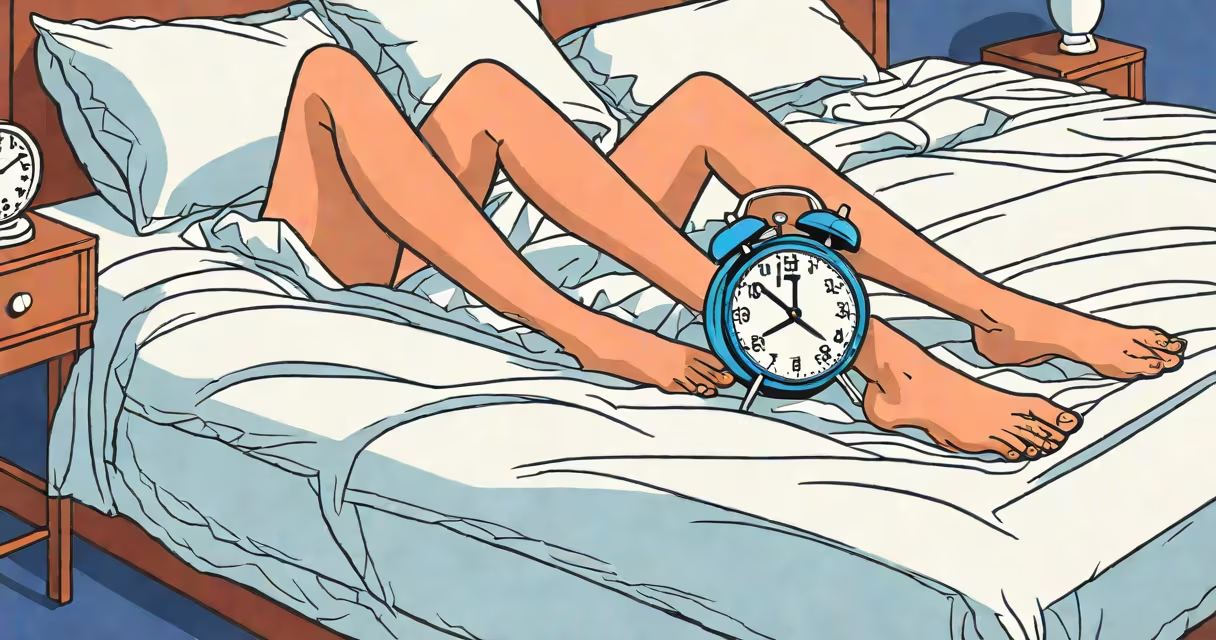
Nighttime leg pain is often caused by muscle cramps, restless legs syndrome, poor circulation, or nerve compression. It can stem from lifestyle habits, medications, or underlying medical conditions such as peripheral neuropathy or venous insufficiency.
Leg pain that consistently occurs at night may disrupt sleep and reduce quality of life. While occasional cramping is common, recurring discomfort demands attention. The most frequent culprits include dehydration, electrolyte imbalances, prolonged sitting during the day, and certain medications like statins or diuretics.
According to the National Institute of Neurological Disorders and Stroke (NINDS), about 10% of adults experience restless legs syndrome (RLS), a condition marked by an irresistible urge to move the legs, especially at rest. Symptoms worsen in the evening and improve with movement. RLS affects sleep architecture and increases fatigue.
When you lie down, blood flow to the lower limbs slows. This reduced perfusion can trigger muscle tension or cramping, particularly if veins struggle to return blood to the heart. Over time, this leads to swelling and discomfort, especially in people with varicose veins or chronic venous insufficiency.
Muscle cramps occur when nerves misfire, causing sudden, involuntary contractions. These are often brief but intensely painful. They're more likely during periods of inactivity, such as sleeping, because muscles remain contracted without regular movement.
A 2021 study published in Neurology found that individuals with low levels of magnesium, potassium, or calcium were twice as likely to report nocturnal leg cramps compared to those with normal levels. The study included 1,200 participants aged 45-75 and controlled for age, sex, and comorbidities.
Not all nighttime leg pain is the same. Different patterns point to different root causes:
| Type | Characteristics | Common Causes |
|---|---|---|
| Cramps | Sudden, sharp pain; lasts seconds to minutes | Dehydration, low potassium, prolonged standing |
| Restless Legs Syndrome (RLS) | Uncomfortable sensations; urge to move legs | Iron deficiency, dopamine imbalance, genetics |
| Chronic Ache or Throbbing | Dull, persistent pain; may worsen with pressure | Peripheral neuropathy, poor circulation, fibromyalgia |
| Sharp or Burning Sensations | Localized or radiating pain; often at night | Nerve compression, sciatica, diabetes-related neuropathy |
For example, a 62-year-old woman reported waking every night with burning pain in her calves. She had type 2 diabetes for 12 years and was taking metformin. Blood tests showed low vitamin B12 and elevated HbA1c. After supplementation and insulin adjustment, her symptoms improved within six weeks.
Another key distinction: cramps typically affect the calf muscles, while RLS involves the entire lower leg and often begins in the feet. Cramps resolve quickly with stretching, whereas RLS requires ongoing management.
Leg pain at night is more common in older adults due to age-related changes in circulation and nerve function. However, younger people aren't immune-especially those who sit for long hours at work or exercise intensely without proper recovery.
Pregnancy is another major contributor. Up to 50% of pregnant women report leg cramps during the second and third trimesters, according to the American College of Obstetricians and Gynecologists (ACOG). Hormonal shifts and increased pressure on veins contribute to this.
Medications are frequently overlooked triggers. Statins (used for cholesterol), beta-blockers (for blood pressure), and some antipsychotics have been linked to muscle pain and cramping. A 2019 review in JAMA Internal Medicine found that 1 in 10 patients on statins reported muscle-related side effects, including nocturnal pain.
Many mistake nighttime leg pain for simple fatigue or overuse. But if cramps happen regularly-more than once a week-or are accompanied by numbness, tingling, or weakness, they may indicate a neurological issue.
Restless legs syndrome is often mistaken for insomnia. People with RLS don't feel tired-they feel restless. The urge to move the legs is so strong that it interferes with falling asleep. Unlike sleeplessness from anxiety, RLS improves with activity and worsens during inactivity.
Peripheral neuropathy, often caused by uncontrolled diabetes, presents with burning, stabbing, or electric-like pain. It usually starts in the feet and spreads upward. Early signs include loss of sensation or balance issues. Ignoring these can lead to foot ulcers and infections.
I once observed a patient whose nightly leg pain began after starting a new blood pressure medication. He'd assumed it was "just aging." After switching drugs under his doctor's supervision, the pain vanished in three days. That experience reinforced how easily treatable causes are missed.
Seek evaluation if leg pain occurs more than twice a week, wakes you from sleep, or limits mobility. Red flags include swelling, skin discoloration, coldness in the limb, or visible varicose veins.
Diagnostic steps may include blood tests (to check iron, B12, glucose, and electrolytes), nerve conduction studies, or imaging like Doppler ultrasound to assess blood flow. For suspected RLS, a sleep study may be recommended.
Chronic leg pain at night isn't normal. Identifying the root cause allows targeted treatment. Addressing diet, medication, or sleep habits can eliminate symptoms. Persistent pain should never be ignored.
Understanding why your legs hurt every night is the first step toward relief. Many cases are treatable with simple adjustments or medical intervention.