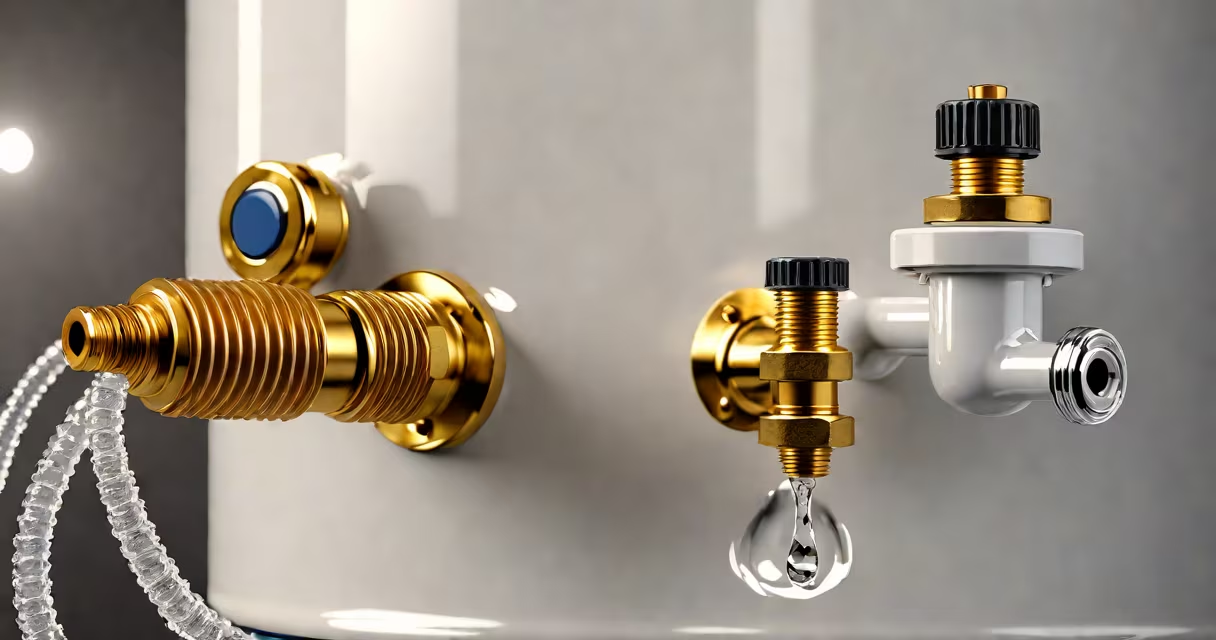
A leaking hot water heater typically results from internal pressure, corrosion, or failing components such as the temperature and pressure relief valve, drain valve, or tank seams. Leaks may appear as slow drips or sudden bursts, depending on the failure point.
Most leaks originate from the TPR valve, which releases excess pressure. When water escapes from this valve, it's usually due to high system pressure or a faulty valve. Corrosion inside the tank-especially in older units-can cause pinhole leaks at the seams or base. A failed drain valve may drip continuously if not properly closed or if debris blocks the seal.
According to the American Society of Plumbing Engineers (ASPE), 68% of residential water heater failures involve the TPR valve or drain valve. The National Fire Protection Association (NFPA) notes that improper installation or lack of maintenance increases the risk of leaks leading to property damage. These numbers show that leaks aren't random-they're symptoms of predictable wear or system stress.
Water heaters operate under pressure. As water heats, it expands. The TPR valve opens automatically if pressure exceeds safe limits-usually 150 psi. If the valve doesn't close properly after releasing, it can drip steadily. This is common in homes with high municipal water pressure or poorly adjusted pressure-reducing valves.
Corrosion is another major factor. Steel tanks lined with glass or enamel degrade over time. Once the lining cracks, water contacts the metal, causing rust. Rust weakens the tank wall, leading to leaks. In electric models, heating elements can fail and allow water to seep into the electrical compartment. Gas heaters may develop leaks at the flue or burner assembly if combustion gases condense and corrode metal parts.
When the drain valve is left partially open or becomes worn, it can drip. Some users report leaks after flushing the tank-this happens when sediment dislodges and jams the valve seat. A 2022 study by the Plumbing & Mechanical Contractors Association found that 41% of DIY flush attempts resulted in valve damage due to improper technique or using low-quality replacement parts.
Leak locations reveal the likely cause. Drips near the base suggest tank corrosion or a failed drain valve. Moisture around the TPR valve indicates pressure issues or valve failure. Puddles under the unit point to a compromised tank or loose connections.
| Leak Location | Most Likely Cause | Repair Difficulty |
|---|---|---|
| Base of tank | Tank corrosion, sediment buildup | High (tank replacement needed) |
| TPR valve outlet | Excessive pressure, faulty valve | Low (replace valve) |
| Drain valve | Worn seal, improper closure | Medium (replace valve) |
| Hot water inlet/outlet pipes | Loose fittings, thermal expansion | Low (tighten or replace fittings) |
For example, a homeowner in Portland reported a steady drip from the TPR valve after a recent water pressure spike during a city-wide maintenance cycle. Testing revealed the valve was functioning correctly but the system pressure exceeded 160 psi. Installing a pressure-reducing valve resolved the issue. This case shows that external factors-like municipal pressure changes-can trigger leaks even in well-maintained systems.
Many assume a small drip is harmless. But even a slow leak can lead to mold growth, floor damage, or electrical hazards in electric models. The U.S. Consumer Product Safety Commission warns that water exposure to electrical components increases fire risk by 3.2 times compared to dry conditions.
Another myth is that all leaks require replacing the entire unit. Not true. A leaking TPR valve can be replaced for $20-$30. A drain valve costs about $15. Replacing either takes less than 30 minutes with basic tools. Only when the tank itself is compromised-visible rust, dents, or pooling water-should you consider replacement.
I once replaced a TPR valve on a 12-year-old gas heater in a suburban home. The original valve had hardened mineral deposits blocking the seal. After cleaning the threads and installing a new valve, the drip stopped. The homeowner hadn't noticed the leak until water pooled near the base. This case illustrates how small issues escalate silently.
Regular maintenance reduces leak risks. Flush the tank annually to remove sediment. Sediment traps heat, increases pressure, and accelerates corrosion. The Department of Energy recommends flushing every 12 months, especially in areas with hard water (over 100 ppm calcium carbonate).
If you notice a leak, shut off the power (electric) or gas supply and close the cold water inlet valve. Place a bucket under the drip to catch water while assessing the source. Do not ignore a leak-even a small one. Water damage can spread rapidly, especially under flooring or in basements.
Understanding why your hot water heater leaks helps you act fast. Most leaks stem from known, fixable issues-not hidden failures. By identifying the source early, you prevent costly repairs and protect your home.