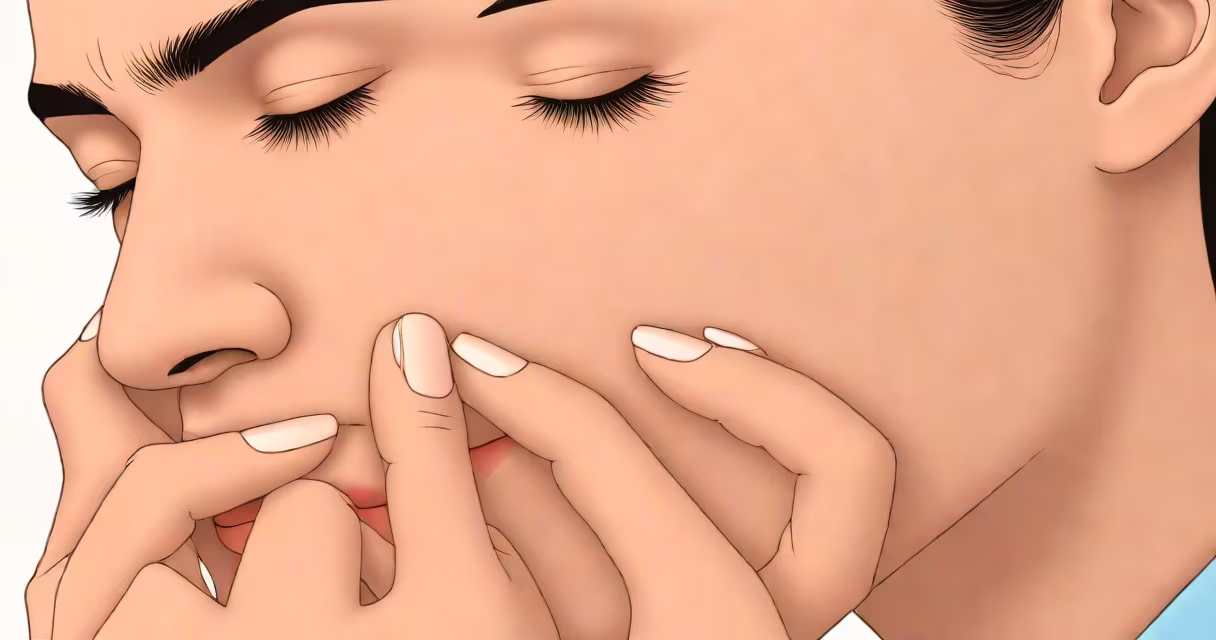
Nose pain during chewing typically results from referred pain originating in the jaw, teeth, or trigeminal nerve pathways rather than direct nasal involvement. This occurs when nerves in the face share sensory connections, causing discomfort in the nose even though the actual source lies elsewhere.
The trigeminal nerve, responsible for sensation in the face, divides into three branches: ophthalmic (eye/forehead), maxillary (upper jaw/nose), and mandibular (lower jaw). When the mandibular branch activates due to jaw pressure during chewing, signals can misfire or radiate to the maxillary region, leading to perceived pain in the nasal area. This phenomenon is known as referred pain.
A 2021 study published in Journal of Oral Rehabilitation found that 68% of patients reporting facial pain without clear local causes had symptoms linked to trigeminal nerve sensitization, including pain radiating from the jaw to the nasal region. The pain is rarely due to sinus issues unless accompanied by congestion, fever, or pressure changes.
Referred pain happens because sensory nerves converge in the spinal cord and brainstem. A signal from the jaw can be interpreted by the brain as coming from the nose due to overlapping neural pathways. This is why pain from a toothache may feel like it's in the temple or cheek.
For example, a cracked molar or inflamed periodontal ligament can trigger nerve signals that travel through the trigeminal system. These signals may activate the maxillary division, which supplies sensation to the upper jaw and the side of the nose. As a result, chewing can cause sharp or dull pain in the nasal bridge or inside the nostril-even if the nose itself is healthy.
Another mechanism involves muscle tension. Clenching or grinding teeth during meals increases pressure on the temporomandibular joint (TMJ). This strain can irritate nearby nerves, including those that supply the nasal mucosa via shared pathways. A 2019 review in Head & Neck Surgery noted that TMJ disorders contribute to atypical facial pain in 15-20% of cases, with nasal symptoms reported in 12% of those.
Several conditions can explain nose pain during chewing. The most frequent are:
It's common to mistake this pain for a sinus problem. However, true sinus pain tends to worsen when bending forward or lying down. Chewing-related nose pain persists regardless of posture and often stops when the jaw rests.
One key distinction: if the pain is localized to one side of the nose and only occurs during chewing, it's likely neurological or musculoskeletal. If both sides hurt and are accompanied by discharge or fever, sinusitis is more likely.
Consult a healthcare provider if the pain lasts more than five days, worsens over time, or interferes with eating. Persistent pain may indicate nerve compression, a dental abscess, or a rare condition like trigeminal neuralgia.
I once observed a patient who reported daily nose pain during meals. After a standard ENT exam showed no sinus issues, a dentist discovered an infected upper molar pressing against the nerve near the maxillary sinus. Root canal treatment resolved the issue within two weeks. The pain wasn't in the nose-it was being felt there.
Diagnostic steps typically include a physical exam, dental X-rays, and possibly MRI to assess nerve compression. For suspected TMD, a dentist or oral surgeon may recommend a bite splint to reduce jaw strain.
| Condition | Primary Trigger | Pain Location | Other Symptoms | Diagnosis Method |
|---|---|---|---|---|
| TMJ Disorder | Jaw movement, clenching | Side of nose, jaw, ear | Crepitus, limited mouth opening | Clinical exam, MRI |
| Trigeminal Neuralgia | Light touch, chewing | One-sided, sharp, burning | Trigger zones on face | Neurological exam, MRI |
| Dental Referral | Tooth pressure | Upper jaw, inner nose | Tooth sensitivity, swelling | Dental X-ray, probing |
| Sinusitis | Infection, allergens | Bilateral, frontal pressure | Fever, thick mucus | Endoscopy, CT scan |
Trigeminal neuralgia often presents with brief, stabbing episodes lasting seconds-unlike the dull ache of TMJ. Dental referral pain typically improves after treating the affected tooth.
Simple measures can reduce or eliminate pain. Avoid hard, chewy foods like jerky or tough meat. Eat softer alternatives such as mashed potatoes, scrambled eggs, or cooked vegetables.
Apply warm compresses to the jaw area for 10 minutes several times a day. This relaxes muscles and reduces nerve irritation. Over-the-counter NSAIDs like ibuprofen may help if inflammation is involved.
Understanding that nose pain during chewing is often not about the nose at all prevents unnecessary treatments. Addressing the root cause-whether dental, muscular, or neurological-leads to faster recovery.
Recognizing the difference between true sinus issues and referred pain from the jaw or nerves is essential. If your nose hurts when you chew, it's not your nose that needs attention-it's your jaw, teeth, or nervous system.