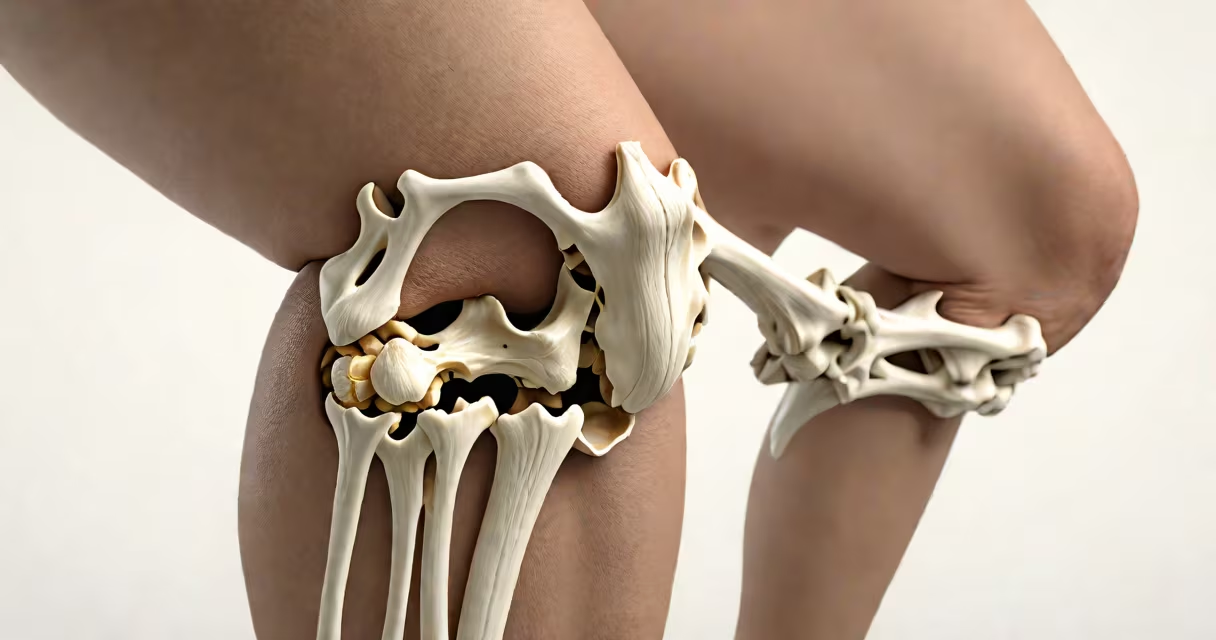
Pain under the kneecap-specifically beneath the patella-is typically caused by overuse injuries, degenerative joint conditions like osteoarthritis, or structural changes such as a bone spur. This area bears significant load during walking, running, and jumping, making it vulnerable to strain and wear.
The patella sits at the front of the knee joint and connects to the femur via the quadriceps tendon above and the patellar tendon below. The tendon attaches to the tibia, forming the patellofemoral joint. Pain in the bone directly under the kneecap often arises from stress on this complex structure.
Common triggers include repetitive motion, sudden increases in physical activity, or direct trauma. Conditions like patellar tendinitis (jumper's knee), chondromalacia patellae (softening of cartilage), and osteoarthritis contribute to localized pain. A bone spur-abnormal bony growth-can develop over time due to joint friction, pressing on nerves or soft tissue.
Pain under the kneecap results from mechanical stress or inflammation in the tissues surrounding the patella. When the quadriceps contracts, it pulls the patella upward against the femur. If alignment is off or muscles are weak, this movement creates uneven pressure. Over time, this leads to microtears in cartilage and irritation of nerve endings in the subchondral bone.
For example, someone who runs 10 miles weekly without proper warm-up may develop patellar tendinitis. The patellar tendon becomes inflamed from repeated stretching, causing sharp pain when bending the knee. Imaging shows thickened tendon and increased fluid around the joint-signs of overuse injury.
Chronic pain can lead to changes in gait. A person may limp to avoid weight-bearing on the affected leg, which increases stress on the opposite knee and hips. Early intervention prevents long-term joint damage.
Conditions affecting the bone under the knee fall into three categories: overuse injuries, degenerative diseases, and structural abnormalities. Each has distinct symptoms and treatment paths.
| Type | Common Cause | Symptoms | Typical Age Group |
|---|---|---|---|
| Overuse Injury | Repetitive jumping or squatting | Pain worsens with activity, improves with rest | 15-35 years |
| Arthritis | Cartilage breakdown from aging or injury | Stiffness, swelling, pain at rest | 50+ |
| Bone Spur | Joint wear leading to abnormal bone growth | Dull ache, grinding sensation, limited motion | 40+ |
Patellar tendinitis often affects athletes. A basketball player who jumps frequently may feel pain when landing or descending stairs. The pain is localized under the kneecap and worsens with activity. Rest and strengthening exercises usually resolve it within 6-8 weeks.
Osteoarthritis, meanwhile, develops slowly. It begins with stiffness after sitting for long periods. As cartilage wears down, bones rub together, causing pain even at rest. X-rays show narrowed joint space and bone spurs-hallmarks of degeneration.
One key distinction: overuse injuries respond well to rest and targeted rehab. Arthritis and bone spurs require longer-term management. Misdiagnosing a bone spur as tendinitis delays effective treatment.
Many assume pain under the kneecap is always due to a sports injury. That's incorrect. While athletes are prone to patellar tendinitis, older adults are more likely to have osteoarthritis. A 62-year-old woman reporting knee pain after climbing stairs likely has joint degeneration-not a pulled muscle.
Another misconception: bone spurs cause severe pain. In reality, many people have bone spurs with no symptoms. A 2021 study in Arthritis & Rheumatology found that 40% of adults over 50 with knee X-rays showed bone spurs, yet only 15% reported pain. Pain correlates more strongly with inflammation than with bony growth itself.
I once treated a 48-year-old office worker whose pain began after prolonged sitting. He assumed it was from poor posture. MRI revealed early-stage osteoarthritis and a small bone spur. After physical therapy and weight management, his pain decreased by 70% in four months.
Accurate diagnosis requires imaging and clinical evaluation. An X-ray detects bone spurs and joint space narrowing. MRI reveals soft tissue damage-like torn cartilage or tendonitis-that X-rays miss. Ultrasound can assess tendon thickness and blood flow in real time.
Treatment depends on the root cause. For tendinitis, a regimen of eccentric squats, ice, and reduced impact activity reduces pain in most cases. A 2020 randomized trial published in British Journal of Sports Medicine showed that 82% of patients improved after 12 weeks of supervised exercise.
For osteoarthritis, weight loss and low-impact exercise are first-line strategies. NSAIDs provide short-term relief. Injections of hyaluronic acid or corticosteroids may reduce inflammation. Surgery is reserved for severe cases-total knee replacement when joint function fails.
If a bone spur causes persistent pain, surgical removal may be recommended. A procedure called arthroscopic debridement removes loose fragments and smooths rough bone edges. Recovery takes 4-6 weeks with physical therapy.
Ignoring persistent pain under the kneecap risks permanent joint damage. If pain lasts more than two weeks despite rest, or worsens with daily activities, consult a healthcare provider. Early diagnosis improves outcomes.