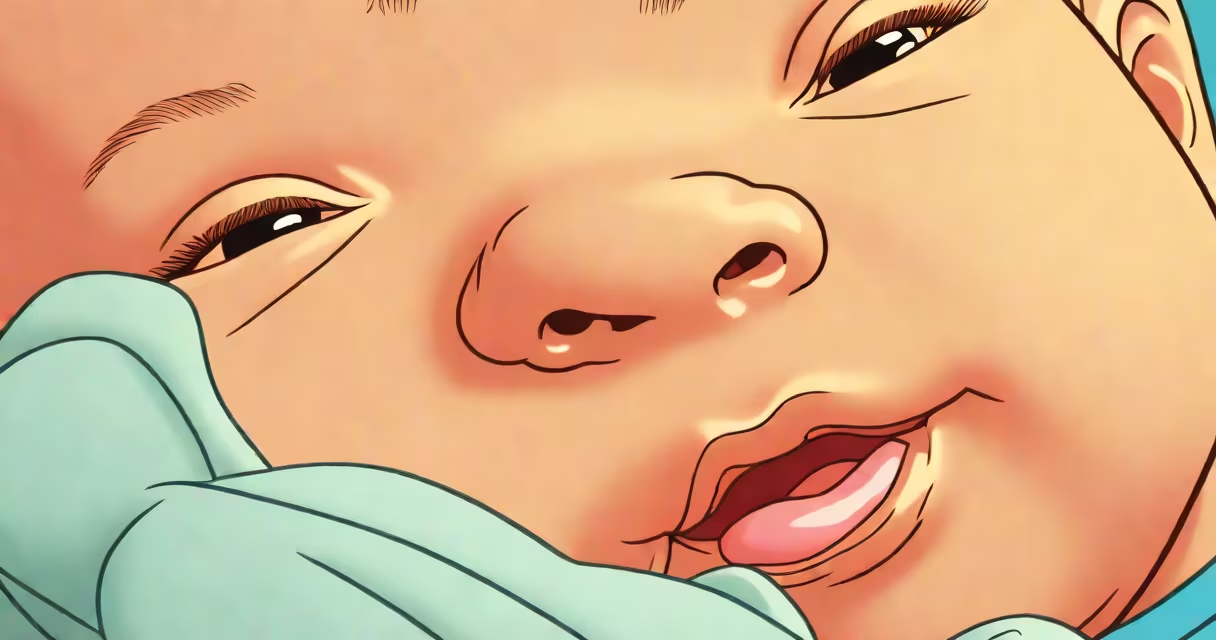
Newborns frequently sound congested because their nasal passages are narrow and they breathe almost exclusively through their nose. This physiological trait makes even minor mucus buildup feel like significant obstruction. The condition is common and usually resolves within days without medical intervention.
Infants under six weeks old rely entirely on nasal breathing. Their mouths are too small to effectively draw air through the mouth during feeding or sleep. When mucus accumulates in the tiny nasal passages-often air, mild infections, or maternal hormones passed during birth-it creates a sensation of blockage. This leads to noisy breathing, snorting, and difficulty latching during breastfeeding.
A study published in Pediatrics found that 60% of healthy term newborns exhibit signs of nasal congestion in the first week of life, most resolving by day 10. This is not necessarily illness but a normal adaptation to extrauterine life. The American Academy of Pediatrics notes that congestion in newborns rarely indicates infection unless accompanied by fever, poor feeding, or rapid breathing.
Human nasal passages are lined with mucous membranes that secrete fluid to trap particles and pathogens. In adults, this system manages moderate secretions. In newborns, the system is immature and easily overwhelmed. Even small amounts of mucus can block the narrow nasal passages-some measuring less than 2 mm in diameter.
When a baby lies flat, gravity causes mucus to pool in the back of the nose. This pooling increases resistance to airflow, making breathing harder during feeding or sleep. The result is audible snoring, grunting, or labored breaths. Parents may mistake this for respiratory distress, but it is typically benign.
For example, a 3-day-old infant born at 38 weeks gestation developed noticeable nasal sounds during feeding. After using saline drops and a bulb syringe, the baby fed more effectively and slept longer. No medication was needed. This scenario reflects the typical course of transient neonatal congestion.
Not all congestion stems from the same cause. The most common triggers fall into three categories: physiological, environmental, and infectious.
| Type | Common Causes | Typical Duration | Management |
|---|---|---|---|
| Physiological | Narrow nasal passages, residual amniotic fluid, maternal hormone transfer | Days to 2 weeks | Saline drops, bulb suction, humidifier |
| Environmental | Dry indoor air, dust, smoke exposure | Hours to days after exposure | Humidifier, clean environment, avoid irritants |
| Infectious | Rhinovirus, adenovirus, RSV (rare in newborns) | 3-7 days, longer if complications arise | Supportive care; consult provider if fever or breathing changes |
Physiological congestion is the most frequent cause. It occurs in nearly all newborns during the first few days of life. Environmental factors such as low humidity (below 40%) can dry out nasal membranes, increasing mucus thickness. A 2021 study in The Journal of Allergy and Clinical Immunology linked dry indoor air to a 35% increase in reported nasal symptoms among infants under 2 months.
Congestion from viral infections is rare in newborns under 2 weeks old. Most viruses circulate in older infants and children. If a newborn develops fever (≥100.4°F rectally), lethargy, or breathing faster than 60 breaths per minute, seek medical evaluation immediately. These signs suggest a more serious condition.
Parents often mistake newborn congestion for pneumonia, bronchiolitis, or croup. These conditions involve deeper airway involvement and present with distinct symptoms. Congestion alone-without fever, cough, or visible chest retractions-is unlikely to indicate lower respiratory infection.
Another misconception is that congestion requires antibiotics. Antibiotics treat bacterial infections, not viral or structural causes. Using them unnecessarily increases the risk of antibiotic resistance and disrupts gut microbiota. The Centers for Disease Control and Prevention states that antibiotics are ineffective against 80% of upper respiratory infections in infants.
I once observed a 1-week-old infant brought to urgent care with parental concern over "wheezing." Upon examination, the baby had clear lungs, normal oxygen saturation, and only nasal mucus. After saline irrigation and suctioning, breathing improved. The parents were relieved to learn it was normal physiology, not illness.
Most cases of newborn congestion resolve with home care. However, certain red flags require prompt attention. Contact a pediatrician if:
These signs indicate potential respiratory compromise. Delaying care can lead to dehydration or hypoxia. Early evaluation improves outcomes.
Keeping the room humidity between 40% and 60% reduces mucus thickness. Use a cool-mist humidifier near the crib, cleaning it daily to prevent mold growth. The American Academy of Pediatrics recommends placing the humidifier at least 3 feet from the baby's face.
Washing hands before touching the baby prevents introducing new germs. Breastfeeding provides antibodies that reduce infection risk. A 2020 review in Frontiers in Pediatrics found that exclusively breastfed infants had a 40% lower incidence of upper respiratory symptoms in the first month.
Do not use over-the-counter decongestants. The FDA warns against giving these to infants under 2 years old due to risks of heart arrhythmias and seizures. Always follow pediatric guidance.
Understanding why your newborn is congested helps avoid unnecessary worry. Most cases stem from natural development, not illness. Simple care measures restore comfort quickly. If concerns persist, consult a healthcare provider to rule out underlying issues.
Recognizing the difference between normal newborn congestion and pathological symptoms ensures timely support. Addressing the issue early prevents feeding difficulties and sleep disruption. Your baby's breathing will improve with consistent, safe care.