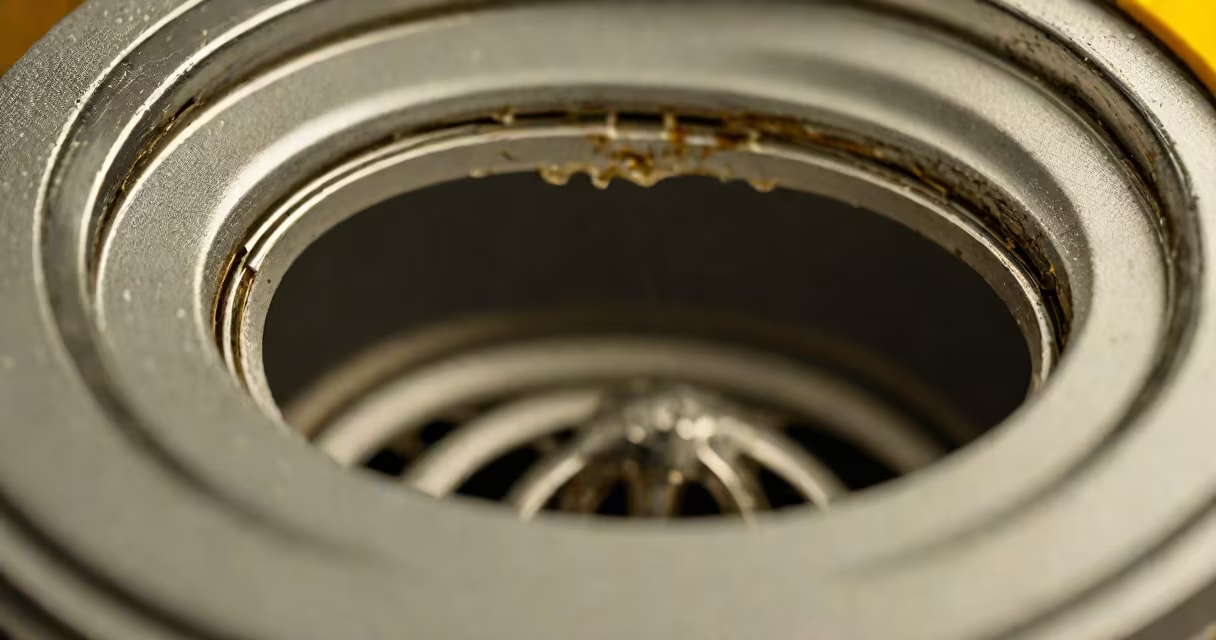
A washing machine emitting a sulfur or rotten egg odor typically results from hydrogen sulfide gas produced by sulfate-reducing bacteria in stagnant water, clogged drains, or sewer gas backing up through the drain hose. This smell is most noticeable during or after a wash cycle.
Hydrogen sulfide forms when sulfate-reducing bacteria break down organic matter in warm, moist environments-conditions common inside washing machine hoses, drain traps, and the drum itself. These microbes thrive in low-oxygen settings, such as the sealed space between the outer tub and inner drum, especially if the machine isn't cleaned regularly.
The issue isn't always internal. Sewer gas can enter through a dry P-trap in the drain line or a poorly vented plumbing system. When the machine drains, negative pressure pulls gas from the home's waste lines into the appliance. The U-shaped trap under the sink or near the washer must stay filled with water to block this intrusion.
After a wash cycle, residual water remains in the drain hose, pump, and door seal. If the machine sits unused for days, this standing water becomes a breeding ground for sulfate-reducing bacteria. These organisms convert sulfate ions in tap water into hydrogen sulfide gas, which escapes during the next cycle.
Over time, biofilm-a slimy layer of microbial colonies-builds up on rubber seals, hoses, and the drum interior. This film protects bacteria from detergents and sanitizers, allowing them to persist even after cleaning. A 2021 study published in Applied and Environmental Microbiology confirmed that such biofilms in household appliances contain high concentrations of sulfate-reducing species like *Desulfovibrio* and *Desulfotomaculum*.
Once established, the smell intensifies with each use. Warm water accelerates bacterial metabolism, increasing gas production. The odor may vanish temporarily during the rinse cycle but returns strongly during spin or drain phases.
Different root causes produce similar symptoms. Here's how to distinguish them:
| Source | Smell Pattern | Trigger | Diagnostic Clue |
|---|---|---|---|
| Bacterial growth in drum or hoses | Rotten egg, persistent after wash | Warm water cycles, infrequent use | Visible slime in door seal or detergent drawer |
| Dry P-trap in drain line | Strong, intermittent odor after drain | Machine draining after long idle period | Smell disappears after running cold water down drain |
| Sewer gas backup via venting issue | Constant, pervasive odor in laundry room | Any drain use in house | Other fixtures (sink, toilet) also emit odor |
When the smell appears only during or right after a wash, it's likely internal bacterial growth. If it lingers after the machine stops and affects the entire laundry area, check the plumbing vent or drain trap.
I once diagnosed a front-load washer in a rental unit that consistently emitted a sulfur smell after every cycle. The tenant reported using standard detergent and running monthly clean cycles-but the odor persisted. Upon inspection, the rubber door seal was coated in thick, dark biofilm. The drain hose had a kink near the wall connection, trapping water.
First, I removed the seal and scrubbed it with a 1:1 vinegar-water solution. The residue came off easily, revealing blackened fibers beneath. I then ran a 140°F (60°C) hot water cycle with 2 cups of white vinegar and ½ cup of baking soda. After 30 minutes, I paused the cycle and let it sit for 2 hours to allow the solution to penetrate the biofilm.
Finally, I checked the drain line. The P-trap was dry due to infrequent use. I flushed 2 gallons of cold water into the drain outlet to refill the trap. Within 48 hours, the sulfur smell vanished completely. The machine has remained odor-free for over six months with weekly maintenance.
Many assume the odor comes from the detergent or fabric softener. But these products don't generate hydrogen sulfide. Even "natural" or "eco-friendly" detergents don't prevent bacterial growth-they simply lack chlorine bleach, which can kill microbes but also degrade rubber seals over time.
Another misconception is that a single cleaning session fixes the problem. Biofilm regrows rapidly if conditions remain favorable. A 2020 report from the Journal of Applied Microbiology showed that sulfate-reducing bacteria can repopulate within 72 hours if water remains stagnant and temperatures exceed 25°C (77°F).
Some users try to mask the smell with air fresheners or dryer sheets. This only covers the symptom. The underlying biological process continues unchecked, leading to stronger odors and potential damage to the machine's motor and seals.
To stop the smell from returning, run a monthly cleaning cycle with 2 cups of white vinegar and ½ cup of baking soda. Set the machine to the hottest water setting available. Let it agitate for 10 minutes, pause for 30 minutes, then complete the cycle.
After each wash, leave the door slightly ajar to dry the interior. Wipe the door seal with a damp cloth weekly. Clean the detergent dispenser and filter every 3 months. If your machine has a self-cleaning function, use it monthly.
If the smell persists despite cleaning, inspect the drain hose for kinks or blockages. Ensure the drain line connects to a properly vented drain. If the home's plumbing is old or poorly maintained, consult a licensed plumber to verify venting integrity.
For ongoing issues, consider installing a vented drain hose or using a drain trap adapter designed for washing machines. These devices maintain a water seal even when the machine is idle.