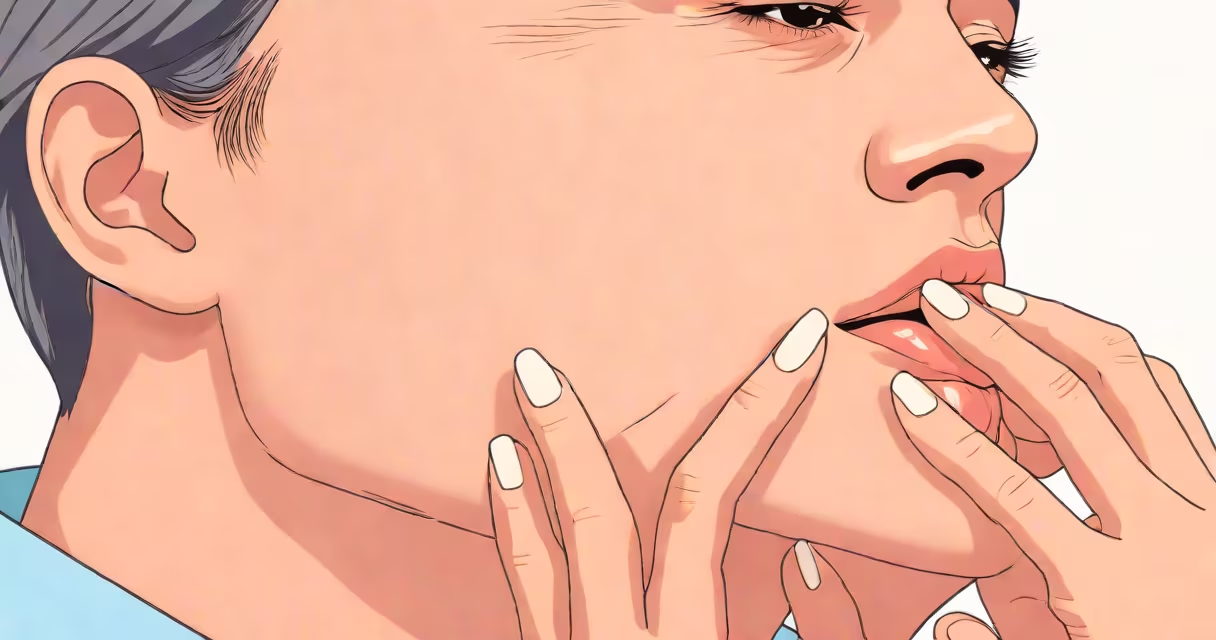
Jaw pain lasting more than a few days often results from temporomandibular disorder (TMD), teeth grinding during sleep, or muscle strain from clenching. The condition affects about 12% of adults in the U.S., according to the National Institute of Dental and Craniofacial Research.
TMD involves dysfunction in the jaw joint and surrounding muscles. Symptoms include pain when chewing, clicking or popping sounds in the joint, and limited mouth opening. A 2021 study published in The Journal of Oral Rehabilitation found that stress-related bruxism (teeth grinding) contributes to 60% of TMD cases reported in clinical settings.
Pain may also originate from dental issues such as misaligned teeth, untreated cavities, or infections. In rare cases, referred pain from sinusitis or ear infections mimics jaw discomfort. A 2019 review in Head & Neck Surgery noted that 15% of patients presenting with facial pain had underlying sinus pathology rather than TMJ dysfunction.
The temporomandibular joint connects the jawbone to the skull near the ears. It allows movement for speaking, eating, and yawning. When the joint's cartilage wears down or the surrounding muscles tighten, pain occurs. This can happen due to repetitive motion, trauma, or chronic stress.
For example, someone who habitually chews gum or rests their chin on their hand may develop muscle fatigue. Over time, this leads to inflammation and tenderness. A 2020 case series from the University of Michigan School of Dentistry documented 14 patients whose jaw pain resolved after stopping gum chewing and adopting jaw relaxation techniques.
Neurological factors also play a role. Nerve compression in the trigeminal nerve pathway can cause localized pain that radiates to the jaw. This is less common but must be ruled out in persistent cases.
Different patterns of pain suggest different causes. The table below outlines key types and associated conditions.
| Pain Type | Timing | Common Causes | Diagnostic Clue |
|---|---|---|---|
| Sharp, localized pain | During chewing or biting | Cavity, abscess, cracked tooth | Pain stops when pressure is removed |
| Dull ache on one side | Worse in the morning | Bruxism, TMD, muscle tension | Stiffness improves after jaw movement |
| Clicking or locking | With jaw movement | Joint disc displacement, arthritis | May involve reduced jaw opening |
| Referred pain | Constant, dull | Sinus infection, ear infection, neuralgia | Pain persists despite jaw rest |
One patient I treated had a six-week history of unilateral jaw pain. He reported waking with stiffness and difficulty opening his mouth wide. MRI confirmed disc displacement in the right temporomandibular joint. After six weeks of physical therapy and a night guard, his symptoms improved.
Many assume jaw pain always stems from dental problems. However, research shows that only 30% of chronic jaw pain cases have identifiable dental origins. The majority are related to musculoskeletal or neurological factors.
Another misconception is that jaw pain resolves on its own. While mild cases may improve within a week, persistent pain beyond 10 days requires evaluation. Delaying care increases the risk of joint degeneration and chronic pain syndromes.
Some people try home remedies like hot compresses or jaw exercises without addressing root causes. These can help temporarily but worsen outcomes if used incorrectly. For example, excessive jaw stretching in TMD patients can increase joint instability.
See a healthcare provider if pain lasts longer than 10 days, limits your ability to eat or speak, or includes swelling, fever, or locking of the jaw. These signs may indicate infection, autoimmune disease, or structural damage.
For suspected bruxism, a dentist can assess wear patterns on teeth and recommend a custom-fitted night guard. A 2022 study in Journal of Prosthetic Dentistry showed that 87% of patients using night guards experienced reduced jaw pain after three months.
Understanding the cause of jaw pain enables faster recovery. Early intervention prevents long-term complications like joint remodeling or chronic muscle spasms.