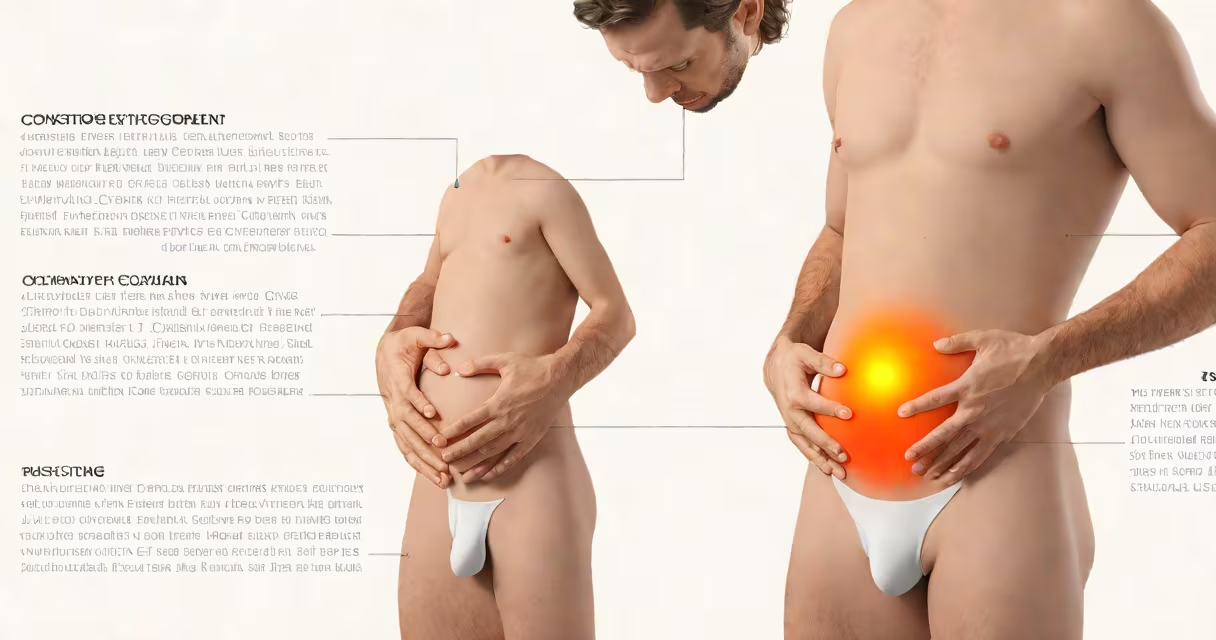
Constipation occurs when bowel movements become infrequent or difficult to pass, typically defined as fewer than three bowel movements per week. It results from slowed transit of stool through the colon, often due to dietary habits, fluid intake, medications, or medical conditions.
Stool moves through the large intestine via muscle contractions called peristalsis. As water is absorbed, stool becomes solid. When movement slows, more water is drawn out, leading to hard, dry stools. This process can be disrupted by lifestyle factors or physiological changes.
The Rome IV criteria define constipation as having two or more of the following for at least three months: straining during defecation, lumpy or hard stools, sensation of incomplete evacuation, manual maneuvers to assist passage, fewer than three bowel movements weekly, or feeling of anorectal obstruction. These standards help distinguish functional constipation from other gastrointestinal disorders.
When the colon absorbs too much water from stool, it becomes compacted and difficult to expel. This happens when colonic motility slows, which can result from reduced physical activity, low fiber intake, or inadequate fluid consumption. The nervous system regulates gut movement through the enteric nervous system, and disruptions in signaling can impair coordination.
Medications such as opioids, antacids containing aluminum or calcium, certain antidepressants, and iron supplements frequently cause constipation. A 2020 review in Pharmacotherapy found that up to 30% of patients on opioid therapy report constipation as a side effect. Even common pain relievers like acetaminophen can indirectly affect gut function when taken regularly.
Neurological conditions like Parkinson's disease or spinal cord injuries can interfere with nerve signals to the bowel, reducing the urge to defecate. Hormonal imbalances, including hypothyroidism, also slow intestinal transit. Blood tests measuring thyroid-stimulating hormone (TSH) can identify underactive thyroid function, a treatable cause of chronic constipation.
Diet plays a central role. Low-fiber diets-especially those high in processed foods, red meat, and dairy-reduce stool bulk and slow transit time. The American Gastroenterological Association recommends 25-30 grams of fiber daily. Most Americans consume only 15 grams, falling short of recommended levels.
Dehydration reduces the water available for stool softening. Drinking less than six 8-ounce glasses of water daily increases risk. A 2019 study in Nutrients linked low fluid intake with higher prevalence of constipation in adults aged 40-65.
Sedentary behavior contributes. Physical activity stimulates colonic motility. A 2021 randomized trial showed that participants who walked 30 minutes daily for four weeks had a 40% improvement in bowel frequency compared to controls.
| Factor | Impact on Bowel Function | Typical Daily Intake vs. Recommendation |
|---|---|---|
| Fiber | Increases stool volume, promotes regularity | 15g (average U.S. adult); 25-30g recommended |
| Water | Prevents stool dehydration, aids passage | 4-5 cups; 8 cups recommended |
| Exercise | Stimulates peristalsis, improves motility | Less than 10 min/day; 30 min moderate activity recommended |
Chronic constipation lasting more than three months may indicate an underlying condition. Irritable bowel syndrome (IBS-C), characterized by abdominal pain and altered bowel habits, affects about 15% of adults globally. In IBS-C, stool is often hard and pellet-like, and symptoms worsen with stress or certain foods.
Celiac disease, an autoimmune reaction to gluten, can damage the small intestine and impair nutrient absorption. Constipation is a less recognized symptom-up to 20% of celiac patients present with constipation rather than diarrhea. Diagnosis requires blood testing for tissue transglutaminase antibodies and confirmation via endoscopic biopsy.
Colorectal cancer rarely presents with constipation alone, but changes in bowel habits-such as narrowing of stool or new onset of difficulty passing stool-are red flags. The American Cancer Society recommends colorectal screening starting at age 45 for average-risk individuals. Persistent changes should prompt evaluation even before age 45.
Many assume constipation stems solely from poor diet or lack of exercise. But when symptoms persist despite increasing fiber and water, or when they're accompanied by weight loss, rectal bleeding, or abdominal distension, a different diagnosis is likely.
One overlooked cause is medication-induced constipation. A patient I treated reported worsening constipation after starting a new blood pressure medication. Switching to a different class of drug resolved the issue within five days. This illustrates that not all constipation is behavioral-it can be pharmacological.
Another misconception is that laxatives are safe long-term solutions. Overuse of stimulant laxatives like senna can lead to dependency, electrolyte imbalance, and weakened bowel function. The FDA warns against continuous use beyond seven days without medical supervision.
Consult a healthcare provider if constipation lasts longer than three weeks, especially with warning signs: unexplained weight loss, blood in stool, severe abdominal pain, or inability to pass gas. These may indicate obstructive conditions or systemic illness.
For persistent cases, diagnostic tools such as a colonic transit study or anorectal manometry may be used. A colonic transit study involves ingesting radiopaque markers and tracking their movement over 72 hours via X-ray. Delayed transit indicates slow colonic motility.
Simple interventions often work. Increasing fiber gradually (1-2 grams per day) prevents bloating. Adding flaxseed (1 tablespoon daily) provides both soluble and insoluble fiber. Staying hydrated and walking after meals can stimulate bowel movement. A 2022 clinical trial found that participants who performed 10 minutes of daily stretching exercises experienced improved bowel function within two weeks.