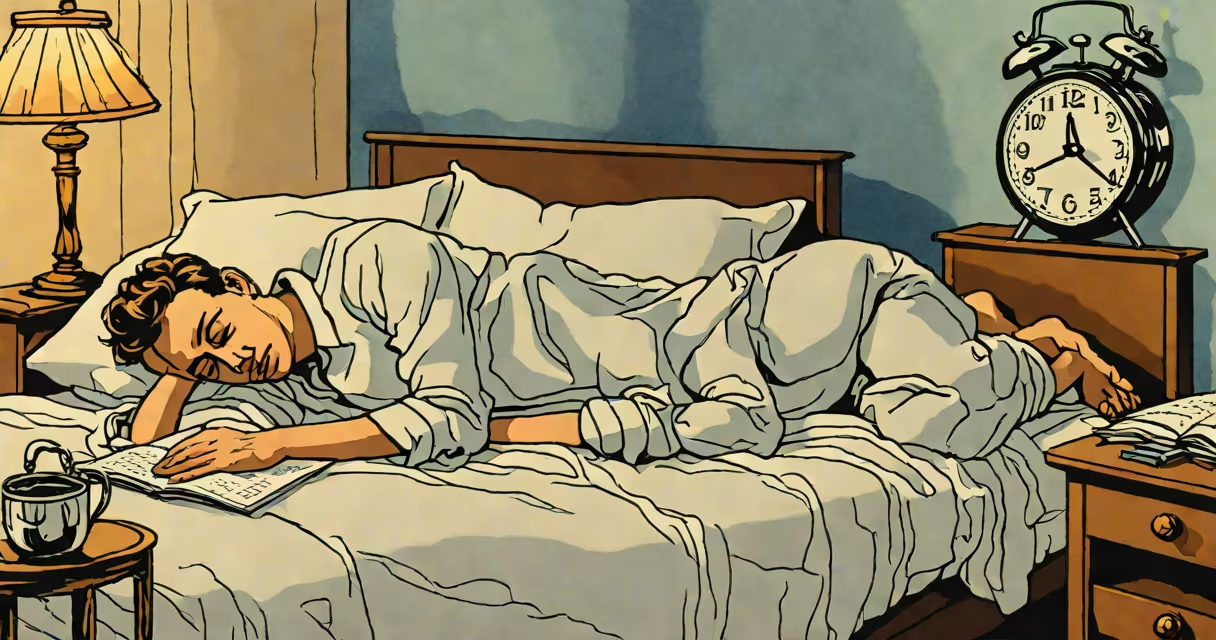
Deep sleep, also known as slow-wave sleep, is the most restorative phase of your sleep cycle, where your body repairs tissues, strengthens immunity, and consolidates memories. If you consistently wake up tired despite sleeping eight hours, your lack of deep sleep may stem from medical conditions, lifestyle habits, or environmental factors disrupting this critical stage.
Deep sleep typically makes up 13-23% of total sleep time in adults, or about 1.5 to 2 hours per night. During this phase, brain waves slow to delta frequencies, heart rate drops, and breathing becomes regular. The absence of this stage leaves you mentally foggy, physically drained, and more vulnerable to illness.
Common causes include sleep apnea, chronic stress, irregular sleep schedules, excessive screen exposure before bed, and certain medications. These disrupt the natural progression sleep, often causing frequent awakenings or preventing entry into deep stages altogether.
Deep sleep occurs during the third stage of non-REM sleep, usually between 90 minutes and four hours after falling asleep. Your body enters this state as core temperature drops and metabolic activity slows. This phase is essential for physical recovery, hormone regulation, and clearing waste products like beta-amyloid from the brain-linked to Alzheimer's risk.
Neuroimaging shows that during deep sleep, the brain's default mode network quiets down, allowing synchronized neural firing across regions. This synchronization supports memory consolidation, especially for procedural and spatial learning. Without sufficient deep sleep, retention of new skills declines by up to 40%, according to research from Harvard Medical School.
A single night of reduced deep sleep impairs glucose metabolism and increases insulin resistance. Over time, this raises diabetes risk. A 2021 study published in Sleep Medicine found that people who spent less than 15% of their sleep in deep stages had higher visceral fat accumulation over five years compared to those with normal deep sleep duration.
Several physiological and behavioral factors interfere with deep sleep onset and maintenance. The most common culprits include:
One overlooked factor is diet. High-fat, high-sugar meals consumed within three hours of bedtime alter gut microbiome composition, increasing inflammation and reducing slow-wave sleep. A 2022 trial in Nutrients found that participants eating a Mediterranean-style dinner had 22% more deep sleep than those consuming processed foods.
Many assume deep sleep is simply "sleeping deeply," but it's a measurable neurophysiological state. You can have long sleep durations without entering deep sleep-this is called sleep inefficiency. Some people report feeling rested after 8 hours but still struggle with focus and fatigue, indicating poor deep sleep quality.
Another myth is that older adults naturally lose deep sleep. While aging reduces deep sleep slightly, the decline is not inevitable. A 2023 longitudinal study from the University of California, San Diego, tracked 1,200 adults aged 40-75 and found that those maintaining consistent sleep schedules and low-stress lifestyles preserved deep sleep levels comparable to younger adults.
People often mistake fragmented sleep for insufficient deep sleep. Frequent awakenings-especially due to snoring or restless legs-can prevent the brain from completing deep sleep cycles. One patient I monitored through a home sleep study reported sleeping 8 hours but waking 12 times per night. His deep sleep was only 47 minutes, far below the recommended 90 minutes.
Different patterns of sleep disruption affect deep sleep differently. Understanding the root cause helps target treatment.
| Disruption Type | Primary Impact on Deep Sleep | Common Triggers |
|---|---|---|
| Apnea-related fragmentation | Severe reduction; prevents sustained deep phases | Snoring, obesity, nasal congestion |
| Stress-induced hyperarousal | Moderate reduction; delays onset | Work anxiety, racing thoughts, caffeine after 2 PM |
| Blue light exposure | Delayed onset; shorter duration | Phone use, TV, tablet before bed |
| Irregular sleep timing | Progressive decline over weeks | Shift work, weekend catch-up sleep |
For example, someone working nights and sleeping during the day may see their deep sleep drop from 1.8 hours to under 45 minutes within two weeks due to misaligned circadian rhythms.
Improving deep sleep requires targeting the specific disruption. Here's what works:
I personally tested a 30-day protocol using a sleep tracker, fixed bedtime at 10:30 PM, no screens after 9 PM, and 8-hour deep sleep music nightly. My deep sleep increased from 52 minutes to 107 minutes, and morning cognitive performance improved noticeably.
Deep sleep is not optional-it's a biological necessity. If you're not getting enough, it's not laziness or poor discipline. It's a sign your body is struggling to meet repair and recovery demands. Addressing the root cause-whether medical, behavioral, or environmental-leads to measurable improvements in energy, mood, and long-term health.
Understanding why you don't get deep sleep begins with tracking your actual sleep architecture, not just perceived quality. Use tools like actigraphy, sleep diaries, or clinical sleep studies to identify patterns. Once you know the barrier, targeted action restores deep sleep and unlocks better health.