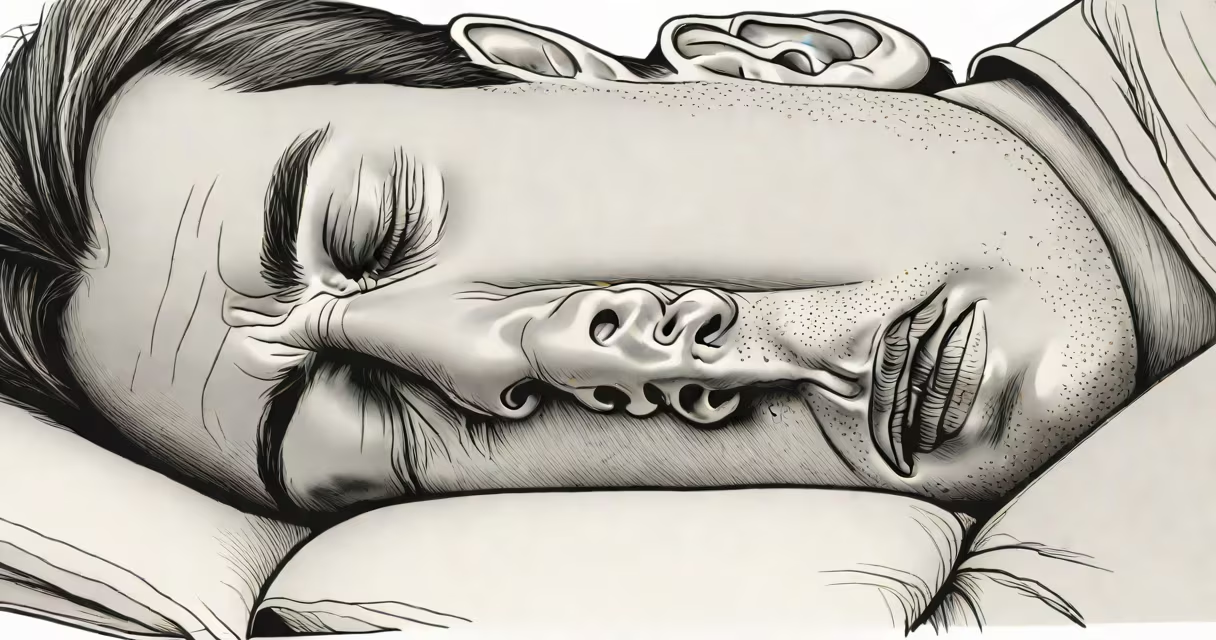
Snoring occurs when airflow through the nose and mouth is partially blocked during sleep, causing vibrations in the soft tissues of the upper airway. The sound results from turbulent airflow forcing the uvula, soft palate, and tongue to flutter.
During sleep, muscles in the throat relax. This relaxation narrows the airway, especially when lying on your back. As air moves through the narrowed space, it creates turbulence and vibration-much like wind blowing through a partially closed door. The louder the snore, the greater the resistance and tissue movement.
According to the American Academy of Sleep Medicine, about 40% of adults snore occasionally, and 25% do so regularly. Not all snoring indicates a health problem, but persistent loud snoring may signal obstructive sleep apnea-a condition where breathing stops repeatedly during sleep.
Snoring begins when the muscles in the throat lose tone during sleep. This reduces the diameter of the pharynx-the passage behind the tongue and nasal cavity. When air tries to pass through, it encounters resistance, causing the surrounding tissues to vibrate.
The vibration frequency determines the pitch. Low-frequency rumbles come from larger tissue areas like the soft palate. High-pitched whistles often result from narrowing at the base of the tongue or nasal passages. The sound can range from a quiet hum to a loud, disruptive roar.
A study published in Sleep Medicine Reviews found that snoring intensity correlates with the degree of airway collapse. Participants with moderate to severe snoring had a 60% reduction in cross-sectional airway area compared to non-snorers during REM sleep.
Several factors increase the likelihood of snoring. Alcohol consumption before bed relaxes throat muscles further, worsening airflow obstruction. Nasal congestion from colds, allergies, or structural issues like a deviated septum forces mouth breathing, which raises snoring risk.
Body weight plays a role. Excess fat around the neck compresses the airway. A 2019 study in Respiratory Care showed that individuals with a BMI above 30 were 3.5 times more likely to snore than those with a healthy BMI.
Other contributors include smoking (which inflames airway tissues), aging (loss of muscle tone), and anatomical features such as a long uvula or enlarged tonsils. Men are more prone to snoring than women, partly due to differences in neck anatomy and hormone levels.
| Factor | Impact on Snoring | Source |
|---|---|---|
| Alcohol before bedtime | Increases snoring severity by 40% | NCBI Study |
| BMI > 30 | 3.5x higher snoring risk | PubMed |
| Back sleeping position | Worsens airway collapse by 50% | Sleep Journal |
Not all snoring is harmless. Frequent, loud snoring paired with gasping, choking, or pauses in breathing may indicate obstructive sleep apnea (OSA). In OSA, the airway collapses completely during sleep, reducing oxygen levels and disrupting restorative sleep cycles.
The Mayo Clinic reports that untreated OSA increases the risk of high blood pressure, heart attack, stroke, and type 2 diabetes. People with OSA often wake up tired despite sleeping eight hours. Daytime fatigue, morning headaches, and difficulty concentrating are common symptoms.
One key distinction: snoring alone doesn't equal sleep apnea. But if snoring is accompanied by witnessed breathing interruptions, excessive daytime sleepiness, or high blood pressure, medical evaluation is essential. A sleep study (polysomnography) can confirm the diagnosis.
Many assume snoring is just a nuisance or a sign of being "too heavy." While weight and posture contribute, snoring stems from physical obstructions-not laziness or poor lifestyle choices alone.
Another myth is that snoring only affects older men. Women, especially post-menopause, are increasingly diagnosed with snoring and OSA. Hormonal changes reduce upper airway muscle tone, making them vulnerable too.
Some believe snoring improves with age. In reality, airway elasticity decreases with time, increasing the risk of collapse. A 2021 study in Chest found that snoring prevalence rose in adults over 60, particularly among those with chronic nasal congestion.
I once observed a friend's partner report that he snored so loudly it woke their child. After a sleep clinic visit, he was diagnosed with moderate OSA. His apnea-hypopnea index (AHI)-measuring breathing events per hour-was 18, indicating moderate disease. He began using a CPAP machine and reported improved energy and reduced blood pressure within six weeks.
This case illustrates that snoring isn't always benign. What seemed like a minor annoyance was masking a serious condition affecting cardiovascular health and daily function.
Why snoring happens boils down to disrupted airflow in the upper airway during sleep. Structural, behavioral, and physiological factors combine to create vibrations in soft tissues. While occasional snoring is normal, consistent loud snoring-especially with breathing pauses-warrants medical attention.