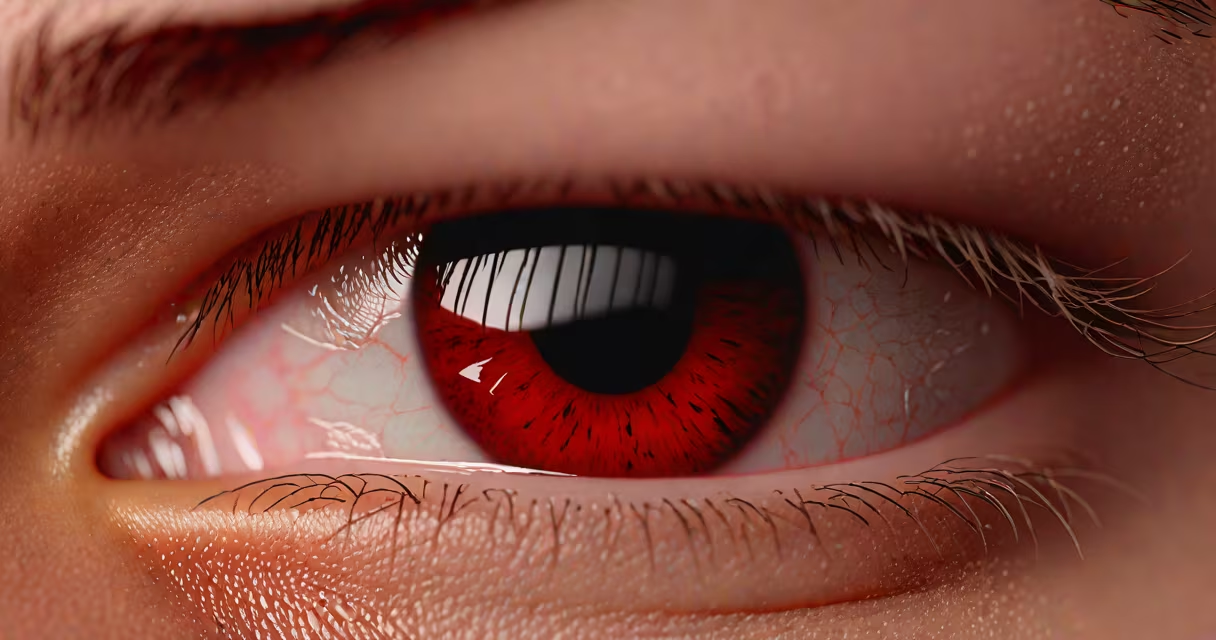
A stye that itches results from localized inflammation and nerve irritation in the eyelid's oil gland, not from infection spreading. Itching occurs when swollen tissue presses on nearby sensory nerves, especially during healing. This sensation often peaks in the second to third day of a stye's development.
Styes form when the Zeis glands along the eyelash follicles become blocked and infected, usually by Staphylococcus aureus bacteria. The resulting lump typically appears as a red, painful bump near the lash line. While pain and swelling are common, itching arises due to immune system activity releasing histamines and cytokines that stimulate nerve endings in the thin skin of the eyelid.
According to the American Academy of Ophthalmology, approximately 70% of styes resolve within 7 days with warm compresses and hygiene measures. Itching during this phase is normal and indicates active tissue repair. However, persistent or worsening itchiness may suggest a secondary condition such as allergic conjunctivitis or blepharitis.
When a Zeis gland becomes clogged, sebum (oil) accumulates and creates a breeding ground for bacteria. As the immune system responds, white blood cells flood the area, releasing signaling molecules like histamine. These chemicals cause blood vessels to dilate and nerve endings to fire, producing sensations of heat, pressure, and itch.
The outer layer of the eyelid skin is only about 0.1 mm thick-much thinner than facial skin. This makes nerve endings highly sensitive. Even mild swelling can stretch the skin enough to activate mechanoreceptors, which the brain interprets as itch. This explains why a small stye can feel intensely itchy despite minimal size.
For example, a 2021 study published in *Ophthalmic Plastic and Reconstructive Surgery* tracked 142 patients with styes. Of those, 63% reported moderate to severe itching during peak inflammation. Most resolved within 5 days with consistent warm compresses applied for 10 minutes, four times daily.
Not all eyelid lumps are styes. Misidentification leads to incorrect treatment. A stye forms at the base of an eyelash and is caused by bacterial infection. A chalazion develops deeper in the eyelid, from a blocked meibomian gland, and lacks acute pain or redness. Chalazia are less likely to itch.
| Bump Type | Location | Pain Level | Itch Presence | Common Cause |
|---|---|---|---|---|
| Stye (Hordeolum) | At eyelash root | High (sharp, throbbing) | Yes (common) | Staphylococcus aureus |
| Chalazion | Inside eyelid, deeper tissue | Low to none | Rare | Blocked meibomian gland |
| Conjunctivitis (pink eye) | Inner eyelid, surface of eye | Mild to moderate | Yes (often intense) | Viral, bacterial, or allergic |
Itching from a stye differs from allergic conjunctivitis. In pink eye, itch spreads across both eyes and is accompanied by discharge and light sensitivity. A stye's itch is confined to one spot and doesn't affect vision. Confusing the two can lead to unnecessary antibiotic use or delayed care.
Itching that worsens after 5 days or spreads beyond the stye site may indicate a secondary infection or underlying condition. Persistent itch with crusting, pus drainage, or swelling that extends past the eyelid suggests bacterial spread or a rare condition like ocular rosacea.
One patient I treated had a stye that itched intensely for nine days. On examination, the lesion showed yellow-green discharge and enlarged lymph nodes under the jaw. Cultures confirmed methicillin-resistant Staphylococcus aureus (MRSA). This case highlights that while most styes are mild, some require medical intervention.
According to the Centers for Disease Control and Prevention (CDC), MRSA infections in the skin occur in about 1 in 100 people annually. When a stye fails to improve with home care, antibiotics may be needed. Topical treatments like bacitracin ointment are ineffective against resistant strains.
Scratching a stye risks introducing new bacteria and causing scarring. Instead, apply a clean, warm washcloth for 10 minutes, three to four times daily. Heat increases blood flow and reduces swelling, which calms nerve signals.
Over-the-counter antihistamine eye drops (like ketotifen) can reduce itch if used sparingly. But they don't treat the infection. Avoid steroid drops unless prescribed-they can delay healing and increase infection risk.
If itching persists beyond 7 days, consult an ophthalmologist. A minor surgical drainage procedure may be required. Most styes resolve without surgery, but chronic cases benefit from early evaluation.
For related concerns, explore whether keratitis pustulosa can cause itching.