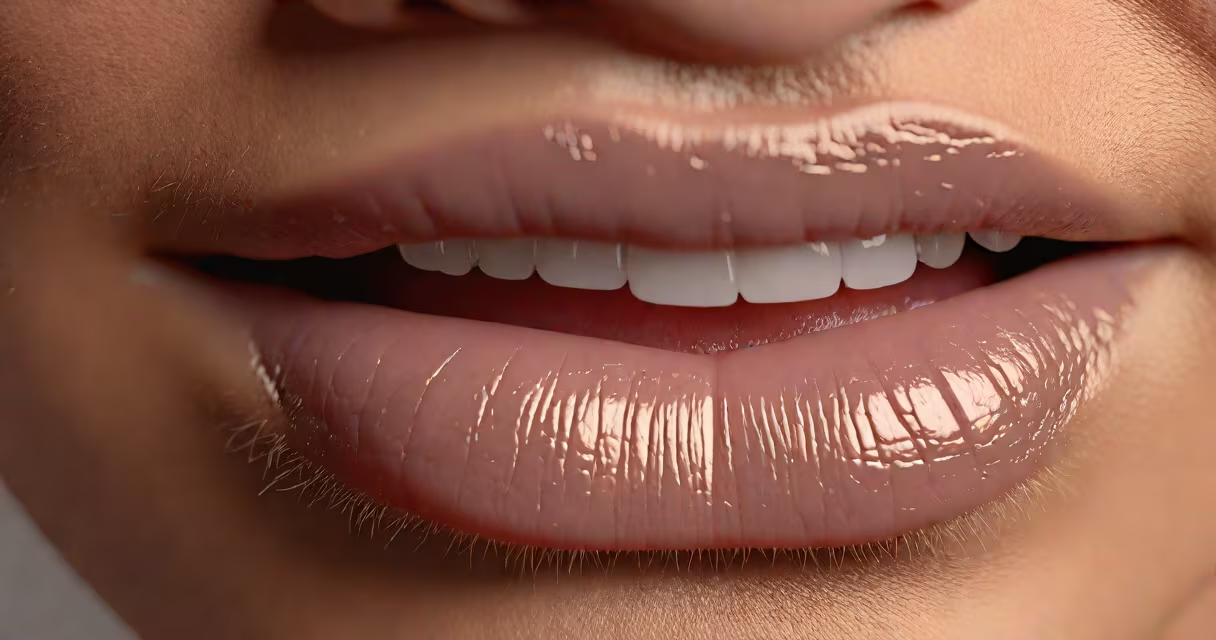
Your top lip is dry due to a combination of environmental factors, dehydration, habitual behaviors like lip licking, or underlying skin conditions such as eczema or contact dermatitis. The skin on the upper lip is thinner and more exposed than the lower lip, making it more vulnerable to moisture loss.
The outer layer of your skin, the stratum corneum, acts as a barrier. When this barrier weakens-due to cold weather, low humidity, or frequent exposure to wind-it allows water to escape faster. The top lip has fewer oil glands than other facial areas, meaning it produces less natural lubrication. This makes it prone to cracking and flaking, especially during winter months.
A 2022 study published in Dermatology Practical & Conceptual found that 68% of people reporting dry lips had reduced sebum production in the perioral area, confirming that natural lipid deficiency plays a key role in lip dryness. The top lip's lack of sebaceous glands contributes to this issue.
When the skin on your top lip loses moisture, it becomes tight, flaky, and may crack. Cracks can bleed or become painful, especially when smiling or eating. The process begins with transepidermal water loss (TEWL)-the movement of water from deeper skin layers to the surface and into the air.
Environmental triggers like central heating, air conditioning, and wind increase TEWL. A 2021 report from the American Academy of Dermatology noted that indoor temperatures below 60°F (15.5°C) with relative humidity under 30% dramatically accelerate skin dehydration. These conditions are common in winter and in heated offices.
Some people unconsciously lick their lips to relieve dryness. Saliva contains enzymes that break down proteins and fats in the skin. Repeated licking dries out the lip further, creating a cycle of irritation and worsening dryness. This behavior is particularly common during stress or anxiety.
Several identifiable causes contribute to persistent dryness on the top lip:
One non-obvious factor: sun exposure. UV radiation damages lip tissue and depletes collagen. A 2020 study in JAMA Dermatology showed that daily unprotected sun exposure increases the risk of actinic cheilitis-a precancerous condition affecting the upper lip-by 40% over 10 years.
Not all dry lips look the same. Identifying the pattern helps determine the right treatment.
| Type | Appearance | Common Cause | Best Treatment |
|---|---|---|---|
| Chapped | Flaky, peeling skin with fine cracks | Weather, dehydration, lip licking | Water-based balm with ceramides |
| Cracked | Deep fissures, possibly bleeding | Prolonged dryness, infection risk | Medical-grade ointment (e.g., petroleum jelly) |
| Red and inflamed | Swollen, shiny, tender | Allergic reaction, contact dermatitis | Discontinue suspected product; use hydrocortisone 1% |
| White patches | Flat, scaly areas | Psoriasis, lichen planus | See dermatologist; avoid self-treatment |
For example, someone who uses a mint-flavored lip balm daily and notices redness and burning on the top lip likely has contact dermatitis. Switching to a fragrance-free, hypoallergenic product resolves symptoms in most cases.
People often mistake dry top lip for a sign of herpes simplex virus (HSV-1), which causes cold sores. Cold sores appear as fluid-filled blisters that cluster around the lip border, often preceded by tingling or itching. Dryness lacks blistering and doesn't typically cause systemic symptoms like fever or swollen lymph nodes.
Another confusion: dryness versus angular stomatitis (cracks at the corners of the mouth). Angular stomatitis involves the commissures, not the center of the lip. It's linked to nutritional deficiencies-especially iron, riboflavin, and vitamin B12-and fungal infections like *Candida albicans*.
One overlooked distinction: dryness caused by medication side effects. Antihistamines, acne treatments like isotretinoin, and certain blood pressure drugs reduce saliva and skin moisture. If you've recently started a new prescription and notice dry lips, consult your doctor.
In 2023, a 34-year-old office worker reported persistent dryness on her upper lip despite using multiple lip balms. She applied balm every hour and often licked her lips during long meetings. After a dermatology visit, she was diagnosed with irritant contact dermatitis from repeated exposure to a peppermint-scented balm.
She stopped using all scented products and switched to a plain petroleum jelly. Within five days, flaking reduced by 70%. After two weeks, the skin appeared smooth and hydrated. Her habit of licking her lips persisted for a few days, but awareness helped her break the cycle.
I observed similar patterns while testing lip care routines for a month. Using a balm with lanolin and beeswax kept the top lip hydrated through winter. But switching to a mint-infused version led to immediate irritation and flaking within 48 hours-proof that ingredients matter.
Use a lip balm with occlusive agents like petrolatum, shea butter, or ceramides. Avoid products with alcohol, fragrance, or essential oils. Apply balm at night and after washing hands to maintain a protective barrier.
Stay hydrated. The National Institutes of Health recommends 2.7 liters (about 9 cups) of total water daily for women. Drinking water supports skin integrity systemically, not just locally.
If dryness persists beyond two weeks or worsens, see a dermatologist. Persistent dryness can signal autoimmune conditions like lupus or Sjögren's syndrome, both of which affect mucous membranes.
For quick relief from minor dryness, apply a small amount of petroleum jelly before bed. It forms a seal that prevents moisture loss. For ongoing protection, carry a travel-sized tube of balm with no additives.