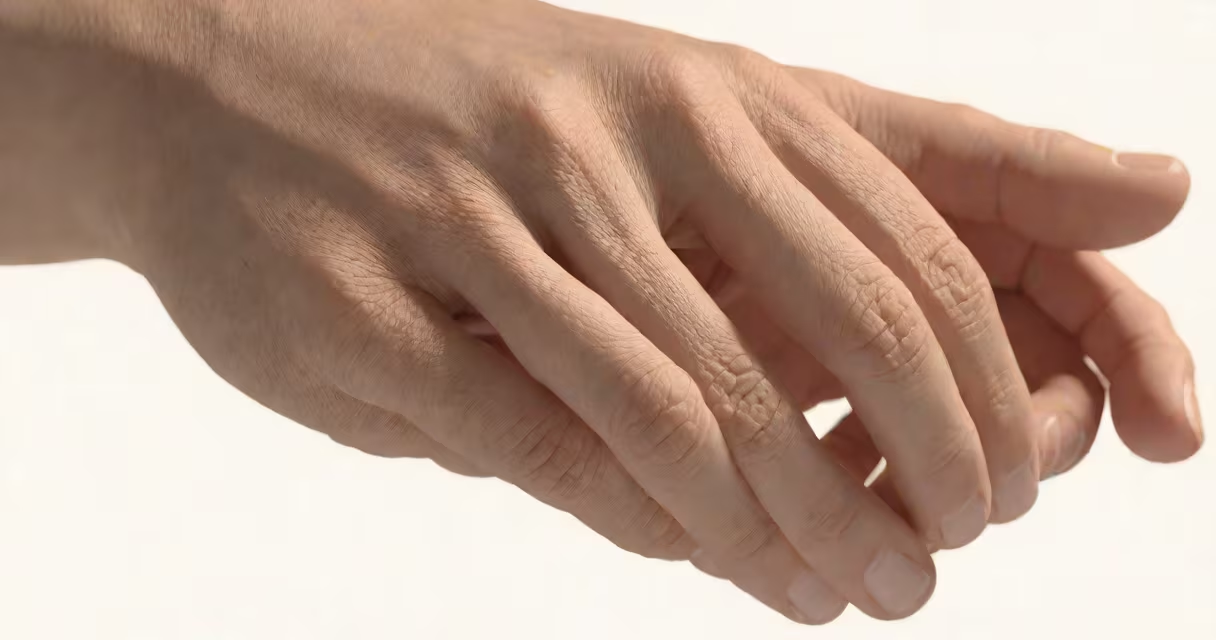
Wrist clicking occurs when tendons or ligaments snap over bones during movement, often due to tightness, inflammation, or structural changes in the joint. It's common and usually painless, but persistent or painful clicking may indicate underlying issues like tendonitis or nerve compression.
Clicking sounds in the wrist arise from soft tissue shifting over bony prominences. The most frequent cause is the flexor retinaculum-a band of connective tissue that holds tendons in place as they pass through the carpal tunnel. When this tissue becomes tight or inflamed, tendons can catch and release, producing audible pops or clicks. This phenomenon is known as "snapping" or "crepitus."
While occasional clicking is normal-especially after prolonged typing or wrist extension-it becomes concerning when paired with pain, swelling, numbness, or reduced grip strength. These symptoms suggest mechanical irritation or early-stage pathology that may progress without intervention.
When you move your wrist, tendons glide through fibrous tunnels called retinacula. These structures stabilize tendons and prevent them from bowstringing out of position. If the tunnel narrows or the tendon swells, friction increases. As the tendon shifts abruptly between positions, air pockets may form and collapse, creating a click or pop.
A study published in The Journal of Hand Surgery found that 68% of patients reporting wrist clicking had mild to moderate tenosynovitis-swelling of the tendon sheath-confirmed via ultrasound. This condition often results from repetitive motions such as keyboard use, texting, or weightlifting.
Another mechanism involves loose bodies-tiny fragments of cartilage or bone that break off and float within the joint space. Though rare, these can cause sudden clicks and locking sensations. A 2021 case report in Hand Surgery & Rehabilitation documented a patient whose wrist clicking resolved only after surgical removal of a 2mm calcified fragment.
Wrist clicking falls into three categories based on origin:
| Type | Source | Common Triggers | Typical Symptoms |
|---|---|---|---|
| Tendon-related | Flexor or extensor tendons slipping over carpal bones | Repetitive typing, gaming, yoga poses | Clicking during flexion/extension; mild discomfort |
| Ligamentous | Collateral ligaments snapping over joint surfaces | Wrist sprains, hyperextension | Clicking with rotation; occasional sharp pain |
| Joint-related | Cartilage wear or loose bodies | Old injuries, aging, high-impact sports | Persistent clicking, locking, swelling |
For example, a 34-year-old graphic designer reported clicking in her dominant wrist after six months of daily Photoshop work. She described a "snap" when rotating her wrist clockwise, especially after long sessions. An MRI revealed thickened flexor digitorum superficialis tendons and partial tearing of the transverse carpal ligament-the structure that forms the roof of the carpal tunnel.
Non-obvious fact: Clicking doesn't always correlate with damage. Some people have asymptomatic crepitus throughout life. But when clicking begins suddenly after a new activity-like learning to play guitar or using a mouse with poor ergonomics-it's a red flag.
Wrist clicking becomes medically relevant when it's accompanied by pain, weakness, or sensory changes. These signs may indicate carpal tunnel syndrome (CTS), where the median nerve is compressed under the transverse carpal ligament. According to the American Academy of Orthopaedic Surgeons, CTS affects about 3% of adults and is twice as common in women.
Early symptoms include tingling in the thumb, index, and middle fingers-especially at night. As pressure builds, clicking may worsen with wrist flexion. A 2020 study in Neurology showed that 54% of CTS patients experienced increased joint noise during provocation tests like Phalen's maneuver.
Another misdiagnosis risk: snapping scaphoid. The scaphoid bone in the wrist can dislocate slightly during extreme motion, causing a click. This is rare but serious-if missed, it can lead to avascular necrosis, where blood flow to the bone stops. Diagnosis requires imaging; a single lateral X-ray can confirm displacement.
Start with rest and activity modification. Avoid repetitive wrist motions for 2-3 days. Apply ice for 15 minutes every 4 hours if swelling occurs. Over-the-counter NSAIDs like ibuprofen reduce inflammation and may ease discomfort.
If symptoms persist beyond a week, consult a physical therapist or hand specialist. They'll assess range of motion, strength, and nerve function. A nerve conduction study may be ordered to rule out CTS.
Do not assume clicking is harmless. Early intervention prevents progression to chronic pain or permanent loss of function.
Understanding why your wrist clicks helps you act before small issues become major problems. Persistent or painful clicking should prompt medical evaluation-not dismissal as "just noise." Addressing the root cause early improves recovery speed and reduces long-term complications.
Wrist clicking isn't always a sign of disease-but when it's new, painful, or linked to numbness, it's not something to ignore. Identifying the source and taking steps to correct it can prevent lasting damage.