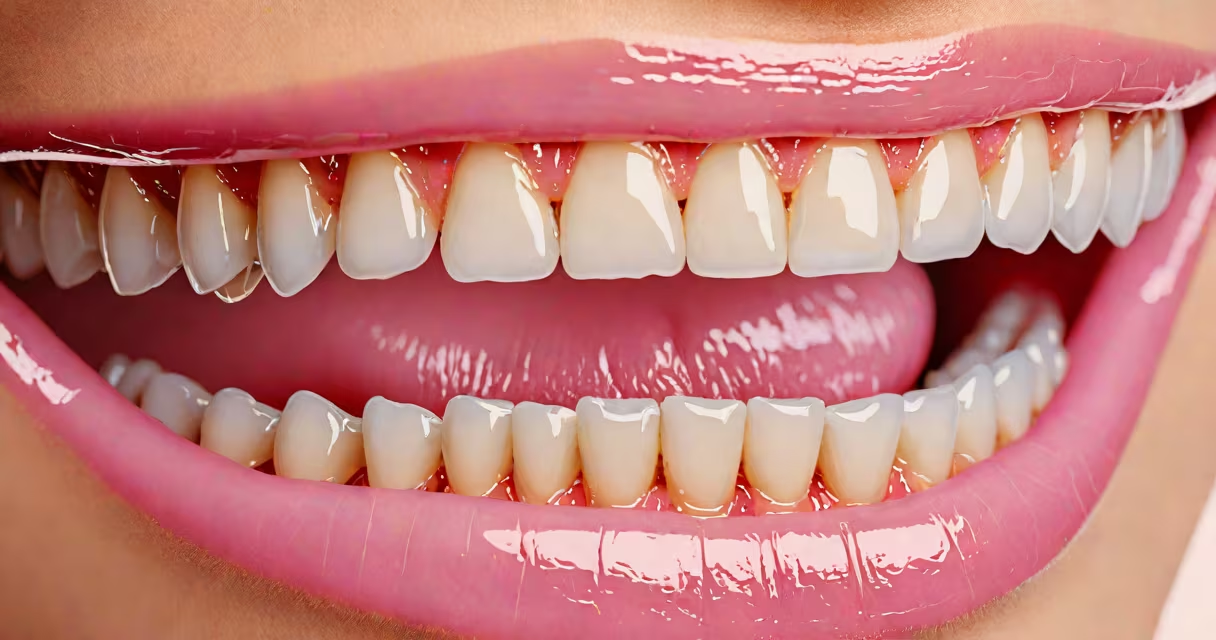
Oral health is critical because it directly impacts physical well-being, affecting systems beyond the mouth. Poor oral hygiene increases the risk of systemic diseases such as cardiovascular disease, type 2 diabetes, and adverse pregnancy outcomes. Maintaining healthy teeth and gums reduces inflammation and bacterial spread throughout the body.
Every day, billions of bacteria live in the mouth. When plaque-a sticky film of food debris and bacteria-builds up on teeth, it hardens into tartar. Tartar cannot be removed by brushing alone and requires professional cleaning. Left untreated, plaque and tartar lead to gingivitis, the earliest stage of gum disease, which causes redness, swelling, and bleeding during brushing. If unchecked, gingivitis progresses to periodontitis, where the infection spreads below the gum line, damaging bone and connective tissues that hold teeth in place.
The connection between oral health and systemic conditions is well documented. A 2020 study published in the Journal of Clinical Periodontology found that individuals with moderate to severe periodontitis had a 30% higher risk of developing coronary artery disease compared to those with healthy gums. Another analysis from the American Diabetes Association confirmed that people with poorly controlled diabetes are more likely to develop severe gum infections, which in turn make blood sugar harder to manage-creating a dangerous feedback loop.
Bacteria from infected gums enter the bloodstream through inflamed tissue. Once circulating, they trigger low-grade inflammation throughout the body. Chronic inflammation is linked to insulin resistance, arterial plaque formation, and impaired immune response. This mechanism explains why oral infections correlate with increased rates of stroke, heart attack, and poor wound healing.
For pregnant women, untreated periodontal disease raises the risk of preterm birth and low birth weight. The American College of Obstetricians and Gynecologists recommends routine dental checkups during pregnancy due to hormonal changes that increase gum sensitivity and susceptibility to infection. Even minor bleeding during brushing may signal early-stage gum disease requiring intervention.
A 2022 review in Frontiers in Immunology highlighted that oral pathogens like *Porphyromonas gingivalis* can survive in distant organs, including the brain and heart, contributing to neurodegenerative and cardiovascular pathologies. These findings show that oral health is not isolated-it's part of a larger physiological network.
Understanding the most prevalent oral health issues helps clarify why prevention matters. Below are key conditions and their associated systemic implications:
| Condition | Primary Symptoms | Systemic Risk Link |
|---|---|---|
| Gingivitis | Red, swollen gums; bleeding when brushing | Progression to periodontitis; elevated CRP levels (inflammatory marker) |
| Periodontitis | Persistent bad breath, receding gums, loose teeth | 30% increased risk of heart disease (per NIH study) |
| Tooth Decay (Caries) | Toothache, visible holes, sensitivity | Chronic pain disrupts sleep and nutrition; untreated infections can spread |
| Oral Thrush | White patches on tongue or cheeks; soreness | Indicator of weakened immunity; common in diabetics and immunocompromised patients |
Each condition begins with preventable behaviors-infrequent brushing, high-sugar diets, smoking. But once established, they require treatment beyond home care. For example, advanced periodontitis often demands scaling and root planing, antibiotics, or even surgical intervention.
Many assume that "healthy teeth" equate to good oral health. That's incorrect. A person can have perfectly aligned, cavity-free teeth yet suffer from undiagnosed gum disease. In fact, the American Dental Association reports that nearly half of adults aged 30 and older have some form of periodontal disease, many unaware until symptoms worsen.
Another myth is that brushing twice daily eliminates all risk. While brushing removes surface plaque, it doesn't reach beneath the gumline. Flossing daily is essential for removing debris between teeth where decay and infection begin. Studies show that flossing reduces interdental caries by up to 40% over five years, according to research in the Journal of Periodontology.
Some believe that mouthwash replaces brushing. That's false. Mouthwashes containing alcohol or antibacterial agents may reduce plaque temporarily, but they don't remove biofilm or prevent calculus buildup. They're adjuncts, not substitutes.
In 2019, a 42-year-old man presented to an emergency room with fever, chills, and difficulty swallowing. He had ignored persistent gum pain for over six months. Blood tests revealed sepsis caused by *Streptococcus anginosus*, a bacterium normally found in the mouth. The infection had spread to his jawbone and then entered the bloodstream. After two weeks in intensive care and intravenous antibiotics, he recovered-but lost two molars and required reconstructive surgery.
This case illustrates how localized oral infections can escalate rapidly without treatment. The patient reported brushing twice daily but never flossed. His dentist had warned him about early signs of gum recession years prior, but he delayed follow-ups due to fear and cost concerns.
Prevention is straightforward and effective. Brush your teeth for two minutes twice daily using fluoride toothpaste. Use a soft-bristled brush and replace it every three months. Floss once daily, ideally before bed. Limit sugary foods and drinks-especially between meals-and avoid tobacco products.
Visit a dentist at least once a year for a cleaning and exam. More frequent visits may be needed if you have risk factors like diabetes, dry mouth, or a history of gum disease. Early detection prevents costly procedures later.
I once observed a patient with advanced periodontitis who avoided dental care for over a decade. After initial treatment, he regained function and confidence. But the damage was irreversible-he lost four teeth and required implants. His story reinforced that oral health isn't optional; it's foundational to long-term wellness.
Ignoring oral health invites more than tooth loss. It increases the burden on the heart, liver, kidneys, and metabolic system. Maintaining oral hygiene is not just about preventing cavities-it's about protecting your entire body. Understanding why oral health is important leads to better decisions, fewer hospitalizations, and longer life expectancy.