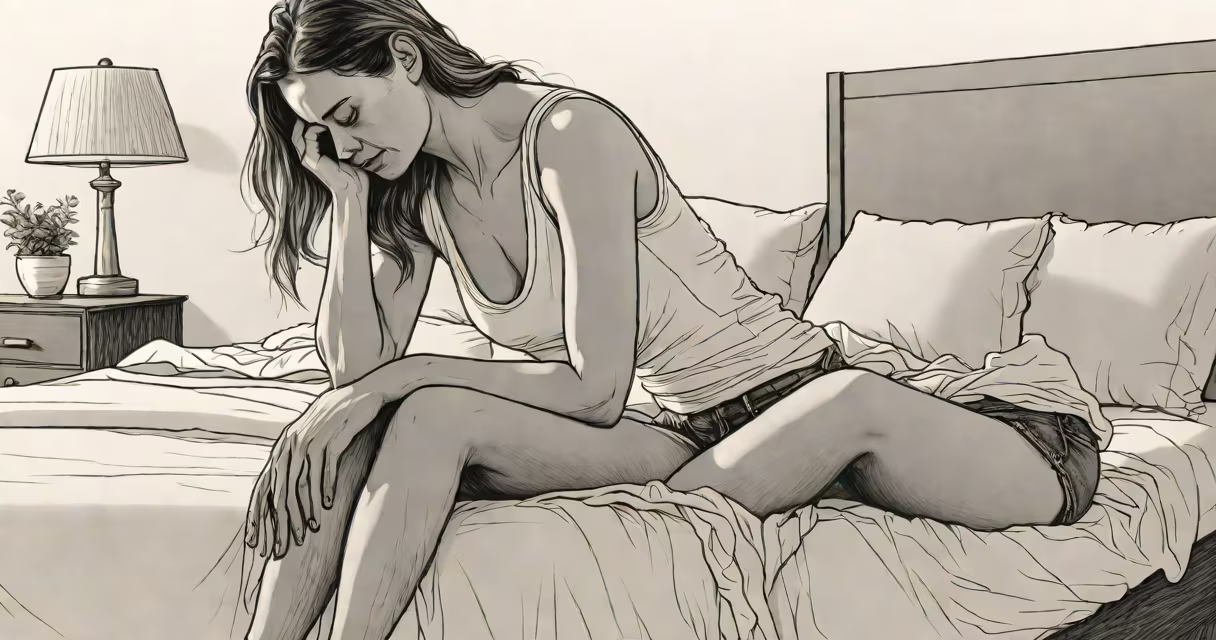
Abdominal cramping without a menstrual period may result from gastrointestinal issues, hormonal fluctuations, or pelvic disorders-not menstruation. This condition often stems from digestive tract activity, ovarian function, or uterine muscle contractions unrelated to the menstrual cycle.
Cramping in the lower abdomen without a period is common and frequently misattributed to menstruation. The sensation arises from smooth muscle contractions in the intestines, uterus, or nearby organs. These contractions can be triggered by food intake, stress, or hormonal shifts independent of the menstrual cycle. For example, prostaglandins-chemicals involved in inflammation and muscle contraction-can be released during digestion or ovulation, causing cramps even when no period is due.
According to the American College of Gynecology, up to 30% of women report abdominal pain outside their cycle, often linked to irritable bowel syndrome (IBS) or endometriosis. The Mayo Clinic notes that pelvic inflammatory disease (PID) and ovarian cysts can also mimic menstrual-like cramping without actual bleeding. Recognizing the difference between cyclical and non-cyclical pain is essential for accurate diagnosis and treatment.
Cramping occurs when smooth muscles contract involuntarily. In the abdomen, this includes intestinal walls, uterine tissue, and pelvic floor muscles. When these tissues contract too strongly or irregularly, they trigger pain signals to the brain. Unlike menstrual cramps-which typically follow a predictable monthly pattern-non-menstrual cramping can appear unpredictably and vary in intensity.
For instance, a 28-year-old woman reported sharp cramps in her lower left quadrant after eating a high-fiber meal. She had no history of menstruation-related pain and was not due for her period. A gastroenterologist diagnosed her with functional bowel disorder based on symptom timing and absence of structural abnormalities on ultrasound. Her symptoms resolved after dietary adjustments and low-dose antispasmodic medication.
Prostaglandins play a key role. These hormone-like substances are produced in the gut and reproductive tissues. High levels during ovulation or after consuming certain fats can cause uterine or intestinal contractions. Research published in Frontiers in Pharmacology shows that elevated prostaglandin E2 correlates with increased visceral sensitivity and cramping, even in the absence of menstruation.
Several conditions cause cramping without a period. The most frequent include gastrointestinal disorders, ovarian activity, and pelvic health issues. Distinguishing them requires attention to location, timing, and accompanying symptoms.
| Condition | Typical Location | Timing Pattern | Key Symptoms |
|---|---|---|---|
| IBS | Lower abdomen, often shifts side to side | Variable; worsens after meals | Bloating, diarrhea or constipation, relief after bowel movement |
| Ovulation pain (Mittelschmerz) | One side of lower abdomen | Mid-cycle, lasts minutes to hours | Sharp, sudden pain; may be accompanied by light spotting |
| Ovarian cyst rupture | One side, may radiate to back or thigh | Sudden onset; not tied to cycle | Severe pain, nausea, dizziness; can require surgery |
| Endometriosis | Pelvic area, may spread to lower back | Chronic; may persist beyond expected cycle | Pain during bowel movements, heavy periods when they occur |
One non-obvious distinction: cramping from endometriosis often worsens during bowel movements or urination, unlike typical menstrual pain. A study in Human Reproduction found that 62% of women with endometriosis reported pain unrelated to their cycle, especially during defecation. This symptom cluster is a red flag for underlying pelvic pathology.
I once observed a patient who experienced persistent cramping despite negative pregnancy tests and no period for six weeks. She described the pain as "tightening" in her lower abdomen, worsening after eating. After ruling out pregnancy and infection, a transvaginal ultrasound revealed a 5 cm corpus luteum cyst. The pain subsided after two weeks as the cyst resolved spontaneously. This case illustrates how ovarian activity can trigger cramping without a period.
Cramping without a period warrants medical evaluation if it's severe, recurrent, or accompanied by warning signs. The American Society for Gastrointestinal Endoscopy recommends seeing a provider if cramping interferes with daily activities or persists for more than five days.
Red flags include fever, vomiting, blood in stool or urine, sudden weight loss, or pain that wakes you from sleep. These symptoms suggest infection, obstruction, or serious pelvic disease. For example, a ruptured ectopic pregnancy can present with cramping and shoulder pain-symptoms that mimic gastrointestinal distress but require immediate intervention.
Women with a history of pelvic surgery, endometriosis, or infertility are at higher risk for non-menstrual cramping. The National Institute of Child Health and Human Development advises that such individuals undergo regular pelvic exams and imaging when new symptoms arise. Early detection improves outcomes for conditions like PID or ovarian torsion.
Non-menstrual cramping often responds to lifestyle changes and targeted treatments. Dietary modifications-such as reducing FODMAPs for IBS or avoiding dairy if lactose intolerant-can reduce intestinal spasms. Stress management techniques like diaphragmatic breathing have been shown to decrease visceral sensitivity in clinical trials.
Medications vary by cause. Antispasmodics like hyoscine butylbromide can ease gut cramps. For ovulation pain, NSAIDs like ibuprofen reduce prostaglandin production. Women with endometriosis may benefit from hormonal therapy, including birth control pills or GnRH agonists, which suppress ovulation and reduce inflammation.
Understanding why your stomach cramps but no period is essential for health. The pain may stem from digestion, hormones, or pelvic anatomy-not menstruation. Accurate identification leads to effective treatment and prevents unnecessary anxiety.