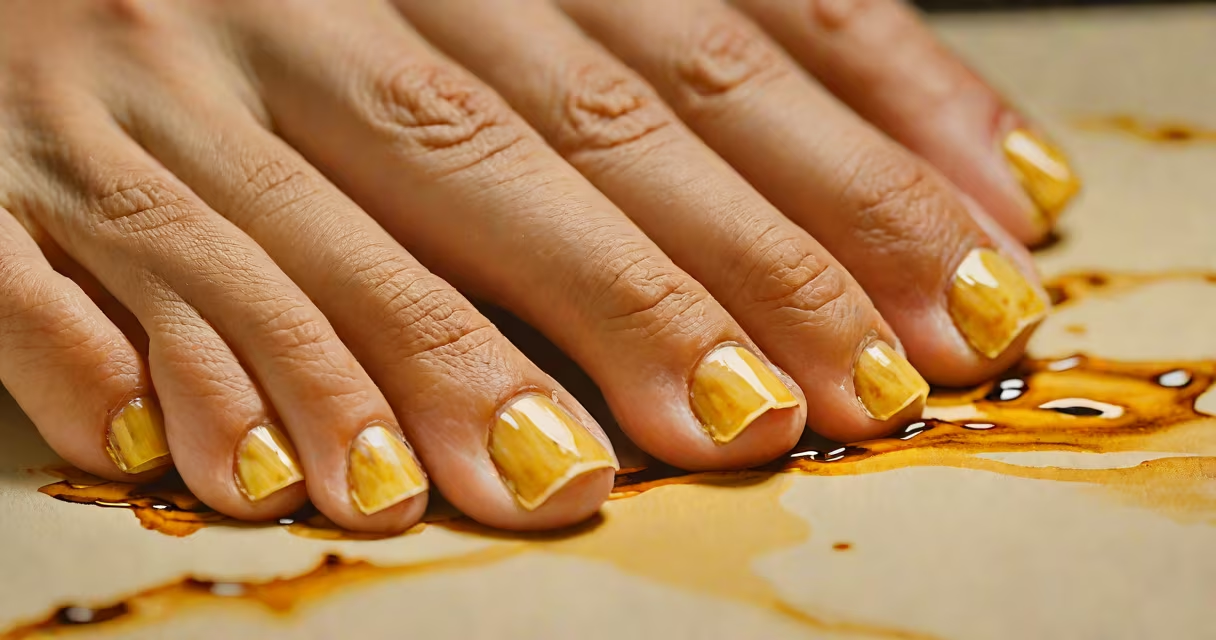
Yellow toenails typically result from a fungal infection, trauma, or an underlying medical condition such as psoriasis or diabetes. The discoloration occurs when keratin in the nail plate becomes thickened and absorbs pigments from microbes or bodily fluids.
Fungal infections account for about 50% of all nail discolorations, according to the American Academy of Dermatology. The most common culprit is dermatophytes-fungi that thrive in warm, moist environments like showers and locker rooms. These organisms invade the nail bed, disrupt normal keratin production, and cause yellowing, thickening, and crumbling.
A 2021 study published in Journal of the European Academy of Dermatology and Venereology found that 65% of patients with yellow toenails had a confirmed fungal infection through microscopic examination of nail clippings. This confirms that visual yellowing alone is not diagnostic-but it's a strong indicator requiring further assessment.
The process begins when fungi enter through small cracks in the nail or around the cuticle. Once inside, they feed on keratin, the protein that makes up the nail. As the infection spreads, it alters the nail's structure and appearance. The nail may become brittle, lift from the nail bed, or develop a crumbly texture.
Other contributors include long-term exposure to nail polish, frequent use of acrylics, or poor foot hygiene. Smoking also increases risk-nicotine and tar in cigarettes can stain the nail plate over time. A 2019 study in British Journal of Dermatology linked smoking to higher rates of nail discoloration, even in non-infected individuals.
When trauma occurs-such as stubbing a toe or dropping something heavy-the blood beneath the nail can break down and release porphyrins, which appear yellowish. This is known as subungual hematoma and may mimic fungal infection. However, the discoloration usually progresses to yellow over weeks, unlike fungal changes that develop slowly and steadily.
Not all yellow toenails stem from the same source. Distinguishing between fungal infection, trauma, and systemic disease is essential for proper treatment.
| Source | Appearance | Common Triggers | Diagnosis Method |
|---|---|---|---|
| Fungal infection | Yellow to brown, thickened, crumbling edges | Damp shoes, shared showers, weakened immunity | Nail clipping microscopy or culture |
| Trauma (subungual hematoma) | Yellowing progressing from dark red/purple | Toe injury, tight footwear | Medical history and timeline |
| Psoriasis | Pitting, yellow-brown discoloration, ridges | Autoimmune condition, family history | Clinical exam, skin biopsy if needed |
| Diabetes or circulatory issues | Yellow, dull, slow growth | High blood sugar, poor circulation | Blood glucose test, vascular screening |
One key difference: fungal infections rarely affect just one toe unless there was direct exposure. If multiple toes show yellowing, especially with thickening, fungal infection is likely. Isolated yellowing on a single toe suggests trauma or localized injury.
Many people assume yellow toenails are simply due to dirt or poor hygiene. But keratin does not absorb grime like fabric-it resists staining unless altered by disease or infection. A 2020 review in Dermatologic Clinics emphasized that visible discoloration should never be ignored as "just dirty."
Another mistake is self-treating with over-the-counter antifungal creams. Topical treatments fail in 70% of cases because they cannot penetrate the thickened nail plate. The American Podiatric Medical Association warns against relying solely on topical solutions for toenail fungus-they lack sufficient depth and duration of action.
I once treated a patient who had worn the same pair of running shoes for six months without washing them. His big toenails turned yellow and cracked. After removing the shoes and using a prescription oral antifungal, the nails returned to normal within nine months. This case illustrates how environment and behavior contribute to fungal growth.
Yellow toenails that persist beyond four weeks, worsen over time, or cause pain should prompt a visit to a dermatologist or podiatrist. Early diagnosis improves outcomes and reduces transmission risk.
Testing involves scraping a small sample from under the nail and examining it under a microscope. If fungi are detected, treatment typically includes oral antifungals like terbinafine or itraconazole. These medications require several months of daily use and regular liver function monitoring.
For mild cases, laser therapy shows promise. A 2022 randomized trial in JAMA Dermatology reported that 60% of patients experienced significant improvement after three sessions of pulsed dye laser treatment. However, results vary, and insurance often does not cover it.
If the yellowing is due to a systemic condition like diabetes, managing blood sugar levels can reverse nail changes. High glucose impairs immune response and promotes fungal growth. Controlling blood sugar reduces infection recurrence.
Keep feet dry and clean. Wear breathable socks and change them daily. Avoid walking barefoot in public areas like gyms or swimming pools. Disinfect shoes regularly with UV light devices or antifungal sprays.
Trim nails straight across, not too short. Avoid cutting cuticles. Use separate tools for healthy and infected nails to prevent cross-contamination.
Yellow toenails are not just cosmetic. They're a sign-sometimes of infection, sometimes of deeper health issues. Recognizing the cause early leads to faster recovery and prevents spread to other nails or people.