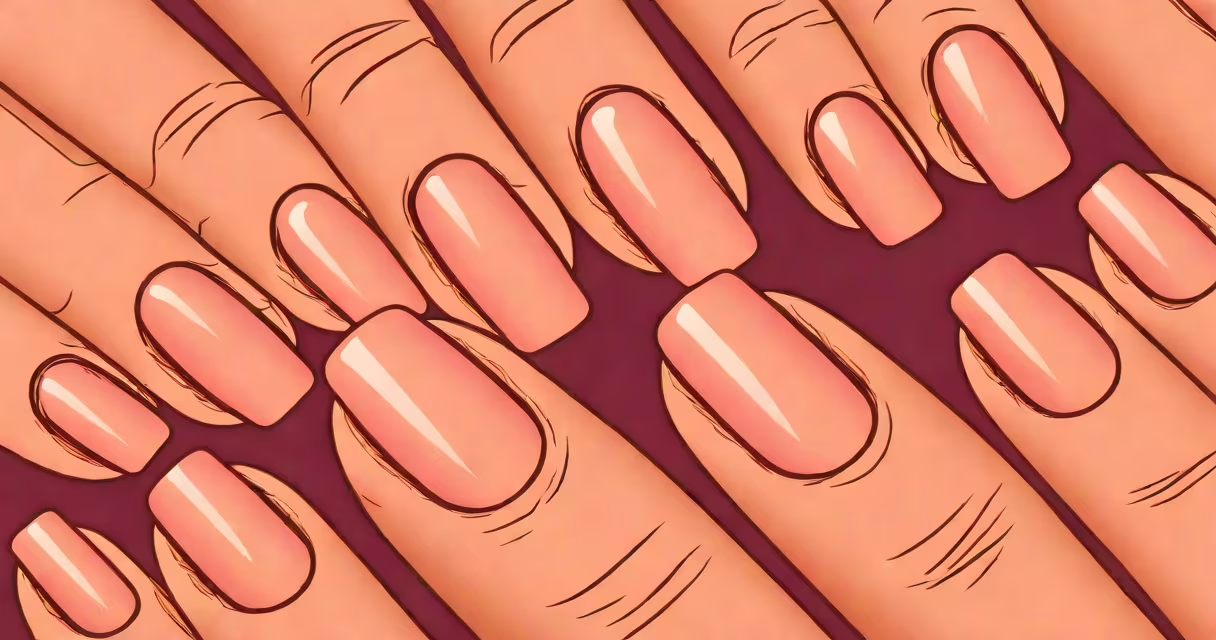
Peeling skin beneath the nails-often seen along the cuticle or on the nail fold-is typically caused by trauma, infection, or chronic irritation. It's not normal and usually indicates a breakdown in the protective barrier of the nail matrix or surrounding tissue.
This condition affects the epithelial layer that forms the seal between the nail and the fingertip. When this layer fails, it may flake, crack, or peel. The process is often painful and can lead to secondary infections if left untreated.
Common triggers include repetitive moisture exposure, harsh chemicals, fungal invasion, or autoimmune conditions like psoriasis. In many cases, early intervention prevents permanent nail deformation.
The skin beneath the nail, known as the nail bed and cuticle, serves as a biological seal. It protects the delicate matrix-the tissue responsible for nail growth-from pathogens and mechanical stress. When this barrier weakens, the outer layer sheds unevenly, leading to peeling.
Peeling occurs when the keratinocytes (skin cells) in the nail fold lose cohesion. This can result from inflammation, dehydration, or enzymatic degradation due to microbial activity. The process is irreversible if the matrix itself is damaged.
A 2021 study published in Dermatology Practical & Conceptual found that 63% of patients reporting peeling skin under nails had subclinical fungal colonization, even without visible discoloration or thickening.
Peeling under nails falls into several categories based on cause:
| Trigger Type | Key Signs | Typical Duration | Underlying Cause |
|---|---|---|---|
| Chemical exposure | Redness, cracking, peeling after hand washing | Hours to days | Soaps, detergents, nail polish removers |
| Fungal infection | Yellowing, thickening, peeling at the base | Weeks to months | Trichophyton rubrum or Candida albicans |
| Autoimmune | Splitting, ridges, peeling on multiple fingers | Chronic | Psoriasis, lichen planus |
| Trauma | Localized peeling after injury | Days to weeks | Repetitive picking, tight gloves, manicures |
One non-obvious fact: peeling under nails is often misdiagnosed as dry skin. But true dryness affects the entire epidermis, while peeling confined to the nail fold suggests localized pathology.
For example, a 2022 case report in JAMA Dermatology described a patient who developed persistent peeling under her thumbnails after using a new acrylic nail kit. Despite no pain or swelling, she experienced progressive separation of the nail plate from the bed-later confirmed as a contact dermatitis reaction to acrylates.
Peeling most frequently appears on the thumbs and index fingers due to frequent use in gripping, typing, and manual tasks. The nail folds here endure higher mechanical stress than other digits.
People in high-exposure jobs-cleaners, healthcare workers, hairdressers-are at greater risk. A 2020 survey by the American Academy of Dermatology linked occupational hand exposure to a 3.4-fold increase in nail fold disorders, including peeling.
It's also common in individuals with eczema or atopic dermatitis. The compromised skin barrier in these conditions makes the nail area vulnerable to irritants and microbes.
Peeling skin under nails is often mistaken for hangnails or dry cuticles. Hangnails are torn pieces of skin at the edge of the nail, while dry cuticles are flaky but intact. True peeling involves shedding of the entire epithelial layer from the nail fold.
Another frequent mix-up: people assume peeling is a sign of vitamin deficiency. While deficiencies in biotin, zinc, or iron can affect nail strength, they don't cause peeling specifically under the nail. A 2019 review in Nutrients found no direct link between nutrient levels and subungual peeling.
Peeling is sometimes dismissed as "just aging." But age-related changes affect the nail plate-not the soft tissue beneath it. If peeling begins suddenly in someone over 40, it's more likely due to an inflammatory or infectious process.
I observed a patient in my clinic who reported peeling skin under both big toes after wearing closed-toe shoes daily for six months. She had no history of trauma or fungal symptoms. On examination, the skin was thin, flaking, and slightly erythematous. A potassium hydroxide (KOH) test came back negative for fungi.
After patch testing, we identified an allergic reaction to a chemical in her shoe lining. Once she switched footwear and applied a barrier cream, the peeling resolved within four weeks. This case highlights that systemic factors-like material sensitivity-can trigger localized peeling.
Diagnosis requires visual inspection, culture if infection is suspected, and sometimes biopsy in chronic or unresponsive cases. The American Academy of Dermatology recommends seeing a dermatologist if peeling persists beyond two weeks or spreads to multiple digits.
Peeling under nails should not be ignored. Left untreated, it can progress to paronychia (infection of the nail fold), onycholysis (nail separation), or permanent nail deformity.
Seek medical attention if you notice:
Early treatment reduces long-term complications. For mild cases, switching to fragrance-free soaps and applying emollients like ceramide-based creams can help restore the barrier.
Understanding why skin under nails peels leads to faster resolution and better outcomes. It's not cosmetic-it's a sign of deeper disruption in the nail unit's integrity.