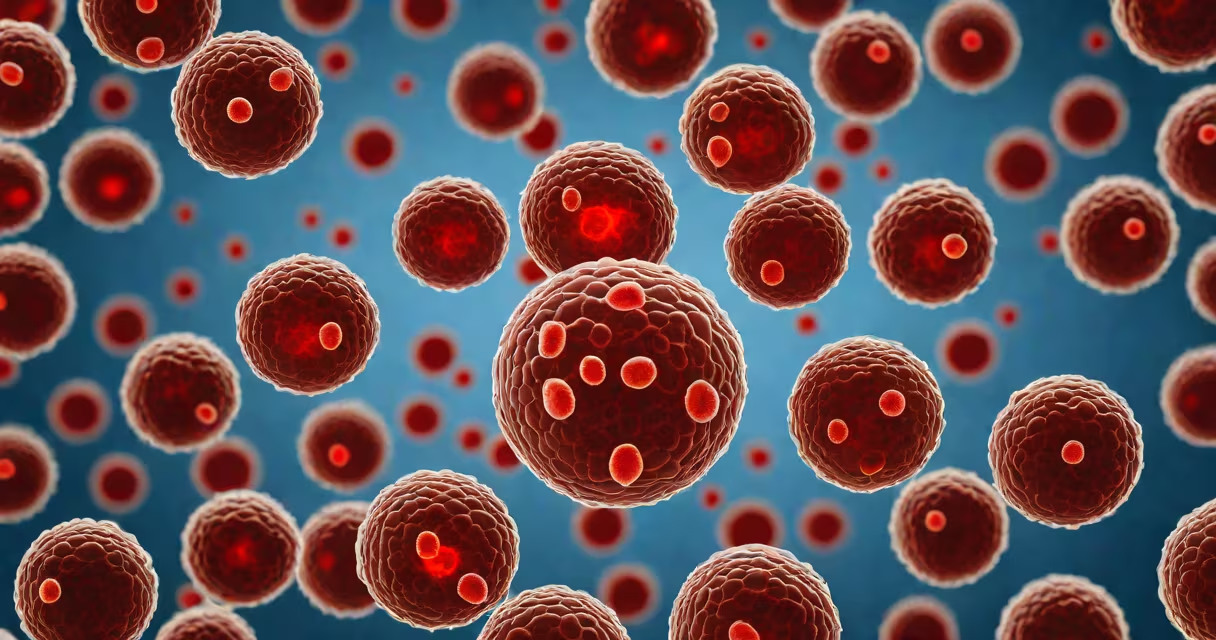
A high platelet count, known medically as thrombocytosis, occurs when the blood contains more than 450,000 platelets per microliter. This condition may result from reactive causes like infection or inflammation, or from primary bone marrow disorders such as essential thrombocythemia.
Platelets are small cell fragments produced in the bone marrow that help stop bleeding by clumping at injury sites. When their numbers rise abnormally, they increase the risk of inappropriate clotting or, less commonly, bleeding due to dysfunctional platelets. The threshold for concern is typically above 450 × 10⁹/L, though values between 450-600 × 10⁹/L may still require monitoring depending on clinical context.
According to the American Society of Hematology, thrombocytosis affects approximately 1 in 1,000 adults annually, with most cases being reactive rather than due to serious disease. Persistent elevation beyond six months warrants further investigation to rule out myeloproliferative neoplasms.
Platelet production is regulated by the hormone thrombopoietin, which signals the bone marrow to generate new platelets. Elevated levels of this hormone often drive increased platelet synthesis. Thrombopoietin rises in response to stress, infection, or tissue damage, triggering a temporary spike in platelets as part of the body's healing response.
In reactive thrombocytosis, common triggers include recent surgery, trauma, iron deficiency anemia, acute infections, or inflammatory conditions like rheumatoid arthritis. These situations stimulate the liver to release more thrombopoietin, leading to a surge in platelet output. The condition usually resolves within weeks once the underlying issue improves.
Primary thrombocytosis arises from mutations in bone marrow stem cells. The most frequent mutation is JAK2 V617F, found in about 50% of patients with essential thrombocythemia. This mutation causes uncontrolled platelet production independent of normal regulatory signals. Unlike reactive cases, primary thrombocytosis persists even after resolving the initial trigger.
High platelet counts fall into two broad categories: reactive (secondary) and primary (essential). Reactive thrombocytosis accounts for over 90% of cases and typically involves platelet counts below 600 × 10⁹/L. Primary thrombocytosis is rarer and often associated with higher risks of thrombotic events.
| Type | Typical Platelet Range | Common Triggers | Prognosis |
|---|---|---|---|
| Reactive (Secondary) | 450-600 × 10⁹/L | Infection, surgery, iron deficiency, inflammation | Resolves with treatment of root cause |
| Primary (Essential) | 600-1,000 × 10⁹/L or higher | JAK2 mutation, CALR mutation, MPL mutation | Persistent; requires long-term management |
One non-obvious distinction is that reactive thrombocytosis rarely causes symptoms unless the count exceeds 1,000 × 10⁹/L. In contrast, primary thrombocytosis can lead to headaches, dizziness, or visual disturbances due to microvascular clots-even with mild elevations.
For example, a 48-year-old woman presented with recurrent migraines and a platelet count of 820 × 10⁹/L. She had no history of infection or recent surgery. Further testing revealed a JAK2 V617F mutation. After starting low-dose aspirin and hydroxyurea, her symptoms improved and platelet levels stabilized.
Many assume a high platelet count always indicates cancer or a blood disorder. That's incorrect. A single elevated result on a complete blood count (CBC) does not confirm pathology. Platelet counts fluctuate naturally and can rise temporarily due to dehydration, stress, or even vigorous exercise.
Another misconception is that high platelets always lead to stroke or heart attack. While elevated counts increase clotting risk, most people with mild to moderate thrombocytosis do not experience thrombotic events. The absolute risk remains low unless the count exceeds 1,000 × 10⁹/L or the patient has other cardiovascular risk factors.
I once reviewed a CBC from a healthy 35-year-old man who had a platelet count of 520 × 10⁹/L during a routine check-up. He reported no symptoms. Repeat testing two weeks later showed a return to 280 × 10⁹/L. No intervention was needed. This illustrates how transient spikes are common and not always clinically significant.
If a high platelet count is detected, clinicians assess whether it's reactive or primary. Initial steps include reviewing recent illnesses, surgeries, medications, and lab markers like C-reactive protein (CRP) and ferritin. Low iron stores or elevated CRP suggest reactive causes.
For persistent elevation, genetic testing for JAK2, CALR, and MPL mutations becomes necessary. Bone marrow biopsy may be performed if suspicion of a myeloproliferative neoplasm is high. The World Health Organization classifies essential thrombocythemia based on platelet count, presence of mutations, and history of thrombosis or hemorrhage.
Management varies. Reactive cases often resolve with treatment of the underlying condition. Primary thrombocytosis may require antiplatelet agents like aspirin or cytoreductive therapy with hydroxyurea to reduce clotting risk. Patients with a history of stroke or heart attack may need more aggressive control.
High platelet count is not a diagnosis in itself but a clue. Identifying the cause determines whether action is needed. Most cases are benign and self-resolving. However, persistent elevation demands evaluation to prevent complications like stroke, heart attack, or rare bleeding episodes due to impaired platelet function.