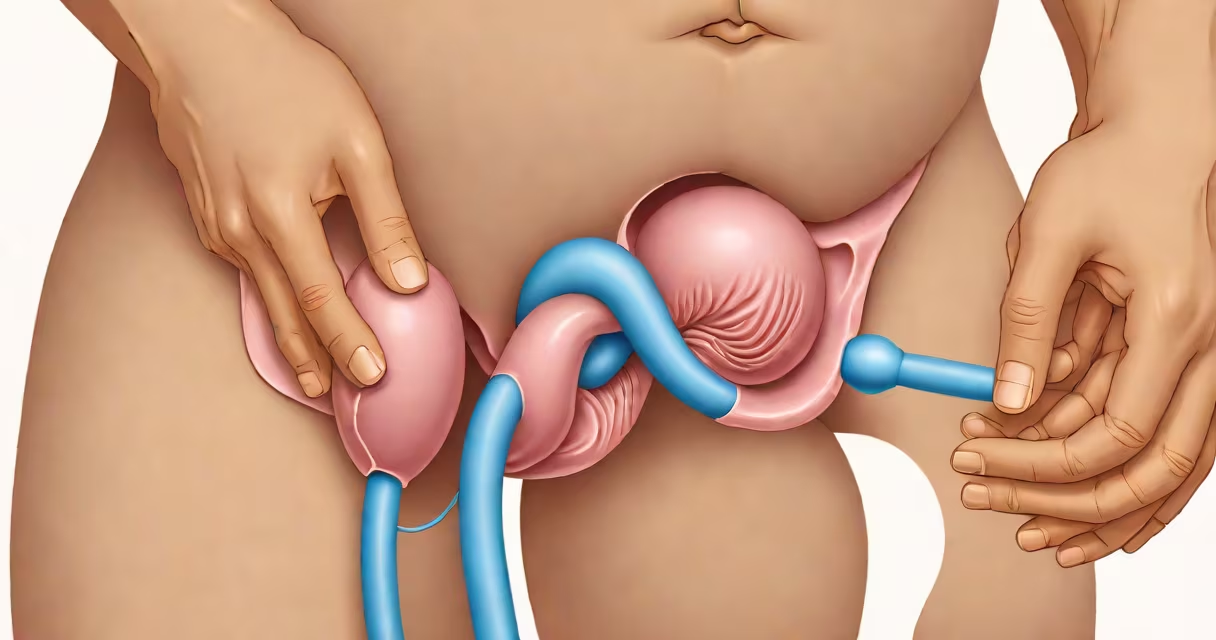
Testicle pain arises from injury, inflammation, infection, or structural issues affecting the testes or surrounding tissues. It may be sudden and sharp or dull and persistent, depending on the cause.
Pain in one testicle often signals a localized problem. Common triggers include trauma, torsion (twisting of the spermatic cord), epididymitis (inflammation of the epididymis), or varicocele (enlarged veins in the scrotum). Less frequently, referred pain from the lower abdomen or spine can mimic testicular discomfort.
When pain begins abruptly and worsens rapidly, especially with swelling or nausea, it may indicate testicular torsion-a medical emergency requiring surgery within six hours to prevent tissue loss. The American Urological Association notes that torsion occurs in about 1 in 4,000 males aged 12-18, with higher risk during puberty due to anatomical changes.
The testes are suspended in the scrotum by the spermatic cord, which contains blood vessels, nerves, and the vas deferens. Any disruption to this structure can trigger pain. For example, twisting the cord cuts off blood flow, leading to ischemia and severe pain within minutes.
Infections such as sexually transmitted diseases (e.g., chlamydia or gonorrhea) can spread to the epididymis, causing swelling and tenderness. A 2021 study in Clinical Infectious Diseases found that 60% of acute epididymitis cases in men under 35 were linked to STIs, with symptoms including unilateral pain, swelling, and fever.
Varicoceles affect approximately 15% of men and typically cause a dull, aching sensation that worsens with standing or prolonged activity. They result from faulty valves in the veins draining the testes, leading to blood pooling and increased pressure.
| Pain Type | Onset | Common Causes | Red Flags |
|---|---|---|---|
| Sudden, severe | Minutes to hours | Testicular torsion, trauma | Swelling, nausea, vomiting, inability to walk |
| Dull, chronic | Days to weeks | Varicocele, epididymitis, referred pain | Worsens with standing, improves with rest |
| Sharp, localized | Hours | Testicular trauma, infection | Visible bruising, warmth, redness |
One non-obvious distinction: pain from torsion is typically unilateral and unrelenting, while pain from epididymitis often develops gradually and may be accompanied by urinary symptoms like burning or frequent urination.
I once observed a 17-year-old presenting with sudden left-sided testicular pain and nausea. He had no history of trauma. On exam, the left testicle was elevated and tender. Doppler ultrasound confirmed absent blood flow-diagnosis: torsion. He underwent emergency surgery and saved his testicle. This case illustrates why timing matters: delays increase risk of loss.
Referred pain from the lumbar spine or abdominal organs can feel like testicular discomfort. For example, a hernia may cause a dragging sensation in the groin that radiates to the scrotum. Similarly, kidney stones can produce flank pain that travels downward, mimicking testicle pain.
Some men confuse normal testicular sensitivity with pathology. The testes are highly innervated and respond to touch, temperature, and pressure. However, persistent or worsening pain is not normal and should not be ignored.
A common misconception is that testicle pain always indicates a serious condition. While torsion and infection require urgent attention, mild discomfort after physical activity or prolonged sitting is usually benign and resolves with rest.
Any testicle pain lasting longer than 24 hours warrants evaluation. Immediate medical attention is needed if pain is sudden, severe, or accompanied by swelling, fever, or vomiting. These signs suggest torsion or infection.
According to the National Institute of Diabetes and Digestive and Kidney Diseases, delayed treatment for torsion results in testicular loss in over 50% of cases. Early diagnosis through clinical exam and Doppler ultrasound improves outcomes.
Testicle pain is not a sign of weakness or embarrassment. It's a physical symptom with identifiable causes. Addressing it early prevents complications and supports long-term reproductive health.