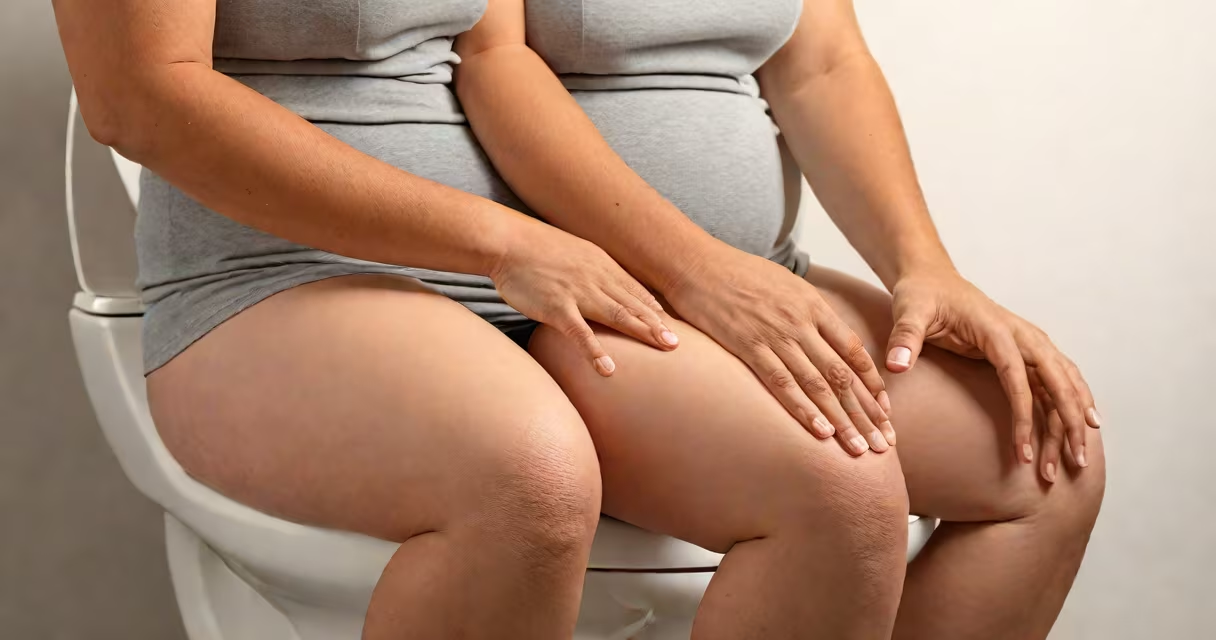
Bloated and pooping a lot describes a combination of abdominal swelling and frequent, often loose or urgent bowel movements. This pattern typically indicates digestive distress rather than normal variation in bowel habits. The sensation of bloating arises from excess gas or fluid in the intestines, while increased stool frequency suggests altered gut motility or malabsorption.
When bloating and frequent pooping occur together, they often stem from disrupted digestion. Common triggers include lactose intolerance, fructose malabsorption, high-FODMAP foods, or bacterial overgrowth in the small intestine (SIBO). These conditions cause undigested carbohydrates to ferment in the colon, producing gas and drawing water into the bowel-leading to both bloating and diarrhea.
The American Gastroenterological Association notes that persistent bloating and frequent bowel changes affect about 15% of adults in the U.S., with irritable bowel syndrome (IBS) being the most common diagnosis. IBS-D (diarrhea-predominant) specifically presents with bloating, urgency, and loose stools. A 2021 study in Gastroenterology found that 60% of IBS patients reported daily bloating, and 75% experienced altered stool frequency.
After eating, food moves through the stomach and small intestine. Nutrients are absorbed here. Undigested material passes into the large intestine, where bacteria ferment fiber and leftover sugars. This fermentation produces gases-hydrogen, methane, carbon dioxide-causing bloating. If fermentation is excessive, it can speed up transit time, leading to frequent, loose stools.
For example, consuming a 16-ounce milkshake containing lactose can trigger bloating and diarrhea in someone with lactase deficiency. Lactose remains unbroken down in the small intestine, passing into the colon where bacteria rapidly ferment it. Within 30 minutes to two hours, gas builds up, and the colon secretes fluid to flush out the osmotic load-resulting in urgent, watery stools and visible distension.
Some people experience this reaction even with small amounts of trigger foods. A 2019 clinical trial showed that individuals with IBS who consumed 10 grams of fructose (about one medium apple) had higher bloating scores and stool frequency compared to placebo groups.
Not all cases of bloated and pooping a lot have the same root cause. The condition can arise from dietary factors, gut microbiome imbalances, or underlying medical issues.
| Type | Common Causes | Typical Pattern |
|---|---|---|
| Dietary Intolerance | Lactose, fructose, sorbitol, gluten (non-celiac) | Bloating within 30-90 min; loose stools follow |
| IBS-D | Stress, gut hypersensitivity, altered motility | Chronic bloating; alternating constipation/diarrhea |
| SIBO | Slow intestinal transit, prior surgery, diabetes | Severe bloating, diarrhea, nutrient deficiencies |
| Infection | Salmonella, norovirus, giardia | Sudden onset; fever, cramping, bloody stools possible |
One key distinction often missed: bloating isn't always due to gas. Fluid retention in the intestinal wall-called "edematous bloating"-can mimic gas-related distension but results from inflammation or leaky gut. This form doesn't improve with simethicone or charcoal tablets, which target gas bubbles.
I once observed a patient with chronic bloating and frequent pooping who had normal gas levels on breath testing. Further evaluation revealed elevated calprotectin in stool-a marker of intestinal inflammation. After treating for SIBO and adjusting diet, bloating reduced by 70% within four weeks.
Many assume bloating and frequent pooping are just "bad digestion" or stress-related. While stress can worsen symptoms, it rarely causes them independently. The misconception leads people to ignore early signs of celiac disease, inflammatory bowel disease (IBD), or colorectal cancer.
For example, a 42-year-old man reported bloating and daily loose stools for six months. He attributed it to anxiety. Blood tests later revealed positive anti-tissue transglutaminase antibodies-indicating celiac disease. After removing gluten, his symptoms resolved completely.
Red flags requiring medical evaluation include:
Start with a symptom journal tracking food intake, timing of bowel movements, and bloating severity. Use a scale of 1-10 for bloating. Over two weeks, patterns emerge. For instance, bloating after dairy or beans points to carbohydrate intolerance.
Try a low-FODMAP diet under supervision. FODMAPs are short-chain carbs poorly absorbed in the small intestine. Eliminating them reduces fermentation and symptoms. A 2020 randomized controlled trial in Alimentary Pharmacology & Therapeutics found that 70% of IBS patients improved on a low-FODMAP diet, with 50% maintaining benefits after reintroduction phases.
Simple lifestyle adjustments help too. Eat slowly. Chew thoroughly. Limit artificial sweeteners like sorbitol and xylitol-common in sugar-free gum and candy. Avoid carbonated drinks and chewing gum, which increase swallowed air.
For long-term relief, consider probiotics. A 2022 meta-analysis in Frontiers in Microbiology showed that *Lactobacillus rhamnosus* GG and *Bifidobacterium infantis* reduced bloating and improved stool consistency in 65% of participants with IBS. Not all strains work-choose those backed by clinical trials.
When symptoms persist despite dietary changes, consult a gastroenterologist. Tests may include hydrogen breath tests for SIBO, stool calprotectin for inflammation, or endoscopy to rule out structural issues.