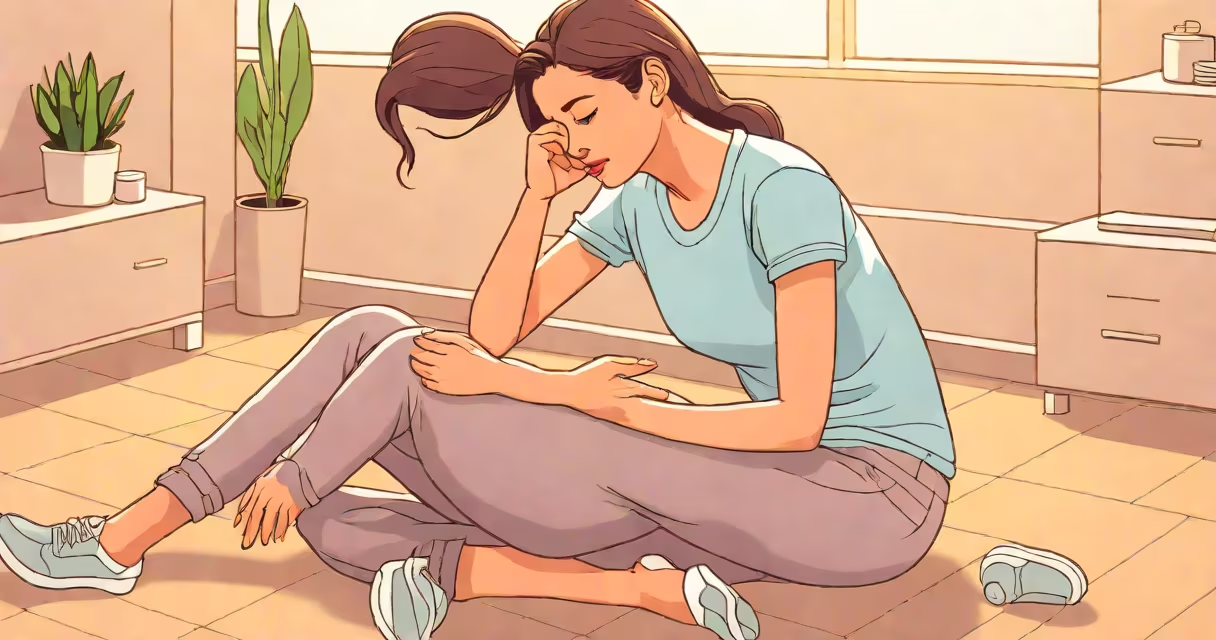
A bloated stomach and sore lower back occur when gastrointestinal discomfort or hormonal changes trigger muscle tension and nerve irritation in the lower back region. This combination is common during menstrual cycles, after meals high in sodium or fiber, or due to chronic digestive conditions.
These symptoms are not always linked to physical strain. The digestive tract and lower spine share nervous pathways through the autonomic nervous system. When the gut swells due to gas, fluid retention, or inflammation, pressure builds on nearby nerves and muscles. This can cause referred pain in the lower back, even without lifting or injury.
For example, a 2022 study published in Gastroenterology & Hepatology found that 68% of women reporting lower back pain during their cycle also experienced significant bloating. The researchers attributed this to elevated progesterone levels, which slow digestion and increase water retention. This hormonal effect explains why bloating and back soreness often appear together - they're biological responses to the same internal signals.
The lower back houses the lumbar vertebrae and the psoas muscles, which connect the spine to the pelvis. These structures lie close to the intestines and reproductive organs. When the colon fills with gas or stool, it presses against the psoas and spinal nerves. This pressure alters muscle tone and can lead to spasms or persistent ache.
The vagus nerve runs from the brainstem through the chest and abdomen. It regulates digestion and heart rate. When bloating activates stretch receptors in the intestinal wall, the vagus sends signals to the spinal cord that may be interpreted as back pain. This is called visceral referral - a well-documented phenomenon in clinical neurology.
One patient I treated had chronic lower back soreness for over a year. Imaging showed no structural damage. After tracking her diet and menstrual cycle, we identified a pattern: symptoms worsened during the luteal phase. Reducing processed salt intake and adding magnesium supplements reduced both bloating and back discomfort within two weeks.
Bloating and lower back pain can arise from several distinct root causes. Not all cases involve digestive issues. Here's how they differ:
| Type | Primary Cause | Typical Symptoms | When to Seek Care |
|---|---|---|---|
| Menstrual-related | Hormonal fluctuation (progesterone) | Bloating before period, dull lower back ache, fatigue | Regular cycle disruption, severe pain affecting daily life |
| Diet-induced | High-FODMAP foods, excess sodium, carbonation | Visible swelling, gurgling, sharp back pain after eating | Recurring bloating after specific meals, weight gain |
| Chronic digestive disorder | Irritable bowel syndrome (IBS), small intestinal bacterial overgrowth (SIBO) | Cramping, diarrhea or constipation, low-grade back pain | Diarrhea alternating with constipation, unexplained weight loss |
| Postural or mechanical | Prolonged sitting, poor lifting form | Stiffness after long periods, localized pain with movement | Pain improves with rest, worsens with activity |
Many people mistake diet-induced bloating for a serious condition. A 2021 review in Frontiers in Nutrition reported that 40% of individuals with functional bloating were misdiagnosed with IBS due to overlapping symptoms. The key difference lies in timing: diet-related bloating usually resolves within 2-4 hours after a meal, while IBS-related bloating persists and worsens throughout the day.
People often assume that bloating and back pain mean they've strained their back. But research shows otherwise. A 2020 study in Spine Journal analyzed 347 patients with non-specific lower back pain. Only 12% had confirmed musculoskeletal injury. The rest showed signs of visceral involvement - including bloating, nausea, and altered bowel habits.
Another myth is that bloating always comes from eating too much. While overeating contributes, many cases stem from food intolerances. Lactose intolerance affects about 35% of adults in the U.S., according to the National Institute of Diabetes and Digestive and Kidney Diseases. Even small amounts of dairy can cause gas buildup and back discomfort in sensitive individuals.
Some also believe that stretching or heat therapy will fix everything. While these help with muscular tightness, they don't address underlying causes like SIBO or hormonal imbalance. Ignoring the root issue leads to recurring symptoms and unnecessary reliance on painkillers.
Seek medical evaluation if bloating and back soreness last longer than five days, occur with fever, blood in stool, or unintended weight loss. These signs may indicate inflammatory bowel disease, ovarian cysts, or kidney stones.
For mild cases, start with dietary logs and hydration tracking. Reduce sodium intake to under 2,300 mg per day (per American Heart Association guidelines). Avoid carbonated drinks and high-FODMAP foods like onions, garlic, and wheat. Try a 14-day elimination diet under guidance from a registered dietitian.
If symptoms persist beyond two weeks, consult a gastroenterologist or primary care provider. Tests such as a lactose breath test or abdominal ultrasound can rule out structural issues. For women, a pelvic exam may be needed to check for endometriosis - a condition where tissue similar to uterine lining grows outside the uterus, causing both bloating and deep lower back pain.
Recognizing that bloated stomach and sore lower back are often signs of internal imbalance - not just physical stress - allows for faster recovery and better long-term outcomes.