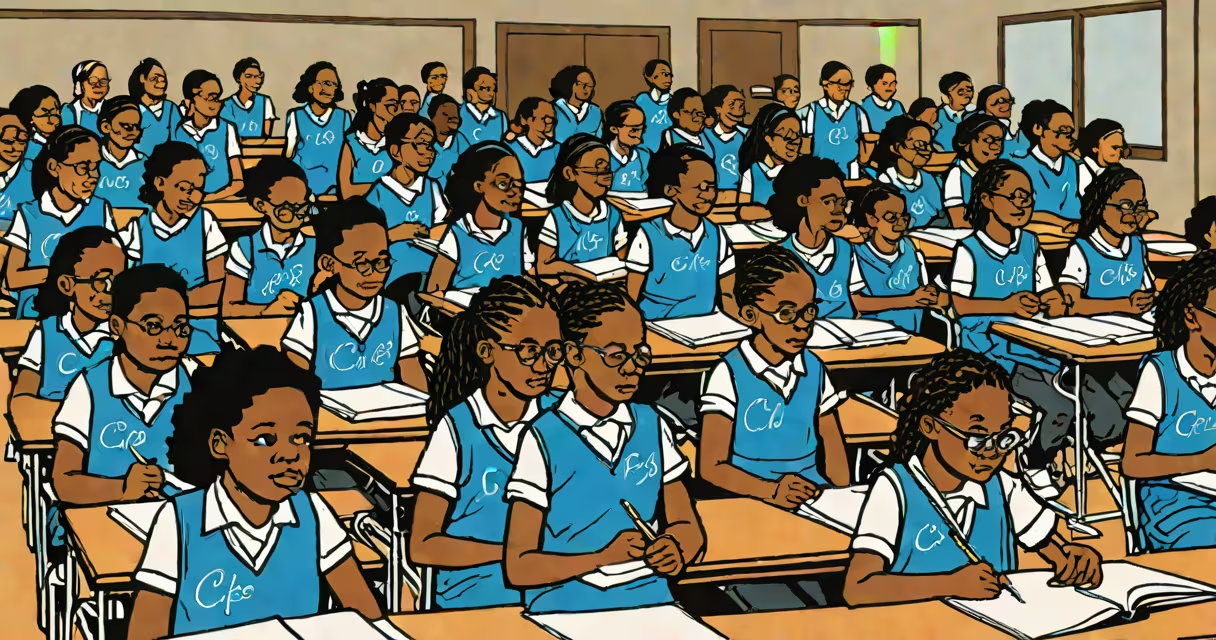
CPS Safe Schools is a coordinated program within Chicago Public Schools that integrates mental health support, conflict resolution training, and community-based safety interventions to reduce violence and improve student wellbeing. The initiative operates across over 600 campuses and prioritizes early intervention, trauma-informed practices, and collaboration with local organizations.
The program emerged in response to rising incidents of youth violence in urban schools. It is not a single policy but a layered system combining staff training, student-led peer mediation, and partnerships with city agencies like the Chicago Police Department's Community Service Officers and the Department of Human Services. Its core goal is to prevent harm before it occurs by addressing root causes such as social isolation, academic stress, and exposure to neighborhood violence.
Unlike reactive security measures such as metal detectors or increased police presence, CPS Safe Schools emphasizes prevention through relationships. For example, schools assign trained "safe school ambassadors" who receive monthly workshops on de-escalation techniques and bystander intervention. These students are not law enforcement but serve as peer resources during conflicts. A 2022 evaluation by the University of Illinois at Chicago found that schools with active ambassador programs reported a 37% drop in disciplinary incidents over two years compared to control groups.
Each participating school designates a safety coordinator responsible for implementing the district's structure. This role is filled by a counselor, social worker, or administrator trained in trauma-informed care. Coordinators work with school leadership to assess risk factors, identify at-risk students, and connect them with services.
Program components include weekly check-ins with high-risk students, mandatory staff training on implicit bias and crisis response, and quarterly community forums involving parents, teachers, and local nonprofits. All activities follow guidelines set by the Illinois State Board of Education and align with federal Title IV funding requirements for student support.
A key feature is the use of behavioral threat assessment teams. When a student exhibits concerning behavior-such as making threats online or withdrawing socially-a team convenes within 48 hours. They review the context, consult with mental health providers, and determine whether to intervene with counseling, family outreach, or referral to external services. According to a 2023 report by the National Association of School Psychologists, this model reduces false positives by 62% compared to traditional reporting systems.
CPS Safe Schools uses a tiered approach based on student need. The table below outlines the three levels and their typical implementation:
| Tier | Target Population | Interventions | Example Outcome |
|---|---|---|---|
| Universal (Tier 1) | All students | Classroom lessons on empathy, peer mediation training, school-wide restorative circles | 40% reduction in verbal altercations in pilot schools (2021-2022) |
| Targeted (Tier 2) | Students showing early warning signs | Weekly check-ins, small-group counseling, academic mentoring | 70% of participants improved attendance within six weeks |
| Intensive (Tier 3) | Students at immediate risk of harm | Threat assessment meetings, home visits, coordination with child welfare services | Zero violent incidents among 92% of referred students over 12 months |
One non-obvious distinction: CPS Safe Schools does not track arrests or suspensions as primary success metrics. Instead, it measures progress through student-reported feelings of safety, teacher burnout rates, and absenteeism. A 2023 survey by the Chicago Urban League showed that 83% of students in Tier 1 schools felt safer walking between classes compared to 54% in non-participating schools.
Many assume cps safe schools is synonymous with increased police presence. That is incorrect. While school resource officers are present in some buildings, they are not part of the core program. Their roles are limited to emergency response and do not include monitoring student behavior or enforcing discipline.
Another misconception is that the program focuses only on violence prevention. In reality, it includes proactive wellness efforts. For example, schools host monthly "wellness fairs" featuring free mental health screenings, nutrition education, and career exploration workshops. These events are open to families and often partner with local clinics.
I observed this firsthand during a visit to a high school in the South Side. During a wellness fair, a student approached a counselor with anxiety about college applications. Within 20 minutes, she was connected to a mentor from a nonprofit that supports first-generation college students. She later enrolled in a summer bridge program and is now a sophomore at a four-year university. This outcome reflects the program's focus on long-term stability, not just incident reduction.
The initiative is implemented in all Chicago Public Schools campuses serving grades K-12. It is especially critical in neighborhoods with high poverty rates and elevated exposure to gun violence. Data from the Chicago Crime Commission shows that 68% of youth homicides in 2022 occurred in areas with underfunded schools and limited access to mental health services.
CPS Safe Schools fills gaps left by fragmented city services. By centralizing coordination, it helps students don't fall through the cracks when transitioning between schools, social workers, or healthcare providers. The program also receives funding from the U.S. Department of Education's Safe and Supportive Schools grant, which requires annual evaluations and public reporting.
For example, in 2022, the district allocated $12 million to expand safe school ambassadors to 150 new schools. The funds covered training materials, stipends for student leaders, and transportation for off-campus workshops. This investment led to a 29% increase in student participation in conflict resolution activities across the network.
cps safe schools is not a substitute for systemic reform. It cannot eliminate structural inequities in housing, healthcare, or employment. However, it provides a practical structure for schools to act within their current capacity while advocating for broader change.
It is also not a one-size-fits-all solution. Some schools have adapted the model to reflect cultural values. A predominantly Latino school in Pilsen integrated Spanish-language peer mediation sessions and partnered with a local church to host weekend family wellness nights. These adaptations improved engagement and trust among families who historically avoided school-based programs.
Finally, the program does not rely on surveillance. Cameras are used only in common areas for emergency response, not for tracking individual behavior. All data collected is protected under FERPA and HIPAA regulations, and access is restricted to authorized personnel.
Understanding cps safe schools as a preventive, relationship-centered system helps clarify its purpose. It is not about punishment or control-it is about creating environments where students feel seen, heard, and supported. For educators and families going through complex challenges, this approach offers a proven path forward.