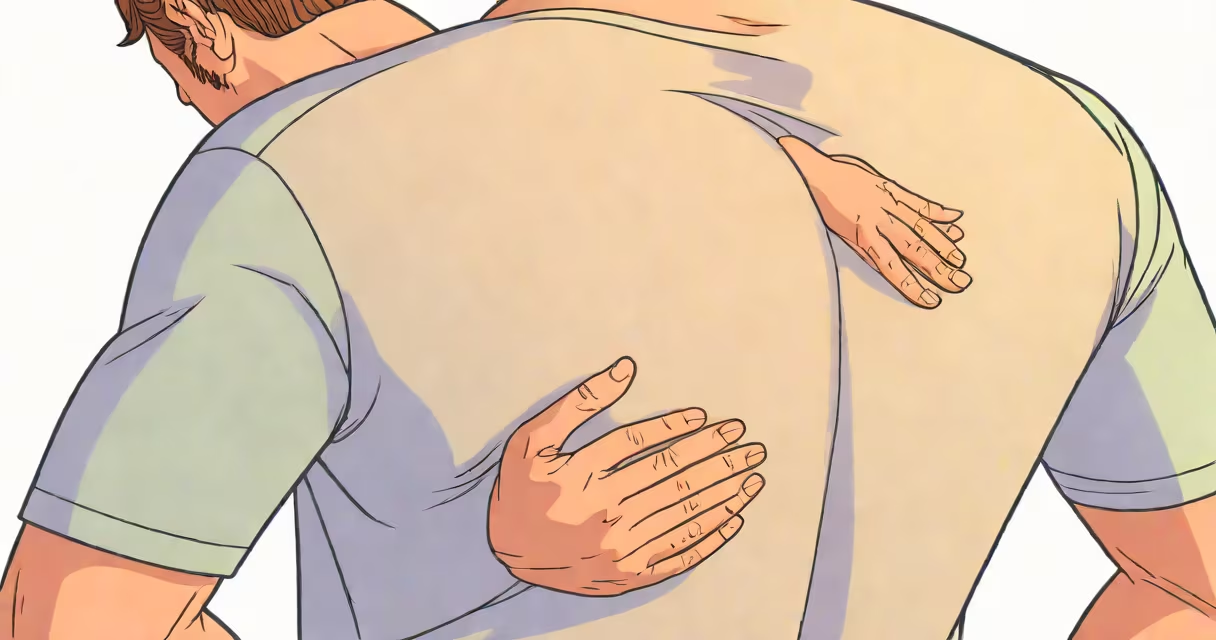
A cramp in back and chest is a sudden, involuntary contraction of muscles in the upper back and chest wall, often causing sharp, localized pain. It typically lasts seconds to minutes and resolves on its own. Unlike cardiac events, it usually results from physical strain, poor posture, or muscle fatigue rather than internal organ dysfunction.
These spasms occur when muscle fibers contract abnormally and fail to relax. The most common sites are the intercostal muscles between the ribs, the trapezius in the upper back, and the pectoralis major in the chest. Pain may feel like a tight band, a stabbing jolt, or a deep ache. Episodes often follow prolonged sitting, heavy lifting, or sudden movements.
While alarming, a cramp in back and chest rarely indicates a serious medical emergency. However, distinguishing it from heart-related pain is critical. Misdiagnosis risks delaying treatment for conditions like angina or pulmonary embolism. Always consider timing, location, and accompanying symptoms.
When nerves signal muscle fibers to contract, calcium floods into the cells, triggering shortening. Normally, relaxation follows when calcium levels drop. A cramp happens when this cycle fails-due to dehydration, electrolyte imbalance, or overuse. The nervous system may misfire, sending signals that cause sustained contraction.
For example, someone who sits at a desk for 10 hours straight may develop a cramp during a stretch. The intercostal muscles, which stabilize the rib cage, become fatigued. As they tense, they compress nearby nerves. The resulting pain radiates across the chest and down the spine. Stretching or massaging the area usually relieves it within 30 seconds.
Electrolyte imbalances contribute in about 15% of cases, according to the American Academy of Neurology. Low magnesium or potassium levels disrupt nerve signaling. Athletes training in heat are especially vulnerable. A 2021 study in Journal of Sports Medicine found that 18% of endurance runners reported back-and-chest cramps during races-most resolved with hydration and rest.
Cramps in back and chest fall into two categories: primary (localized) and secondary (referred).
| Type | Origin | Common Triggers | Pain Pattern |
|---|---|---|---|
| Primary | Direct muscle strain | Lifting, stretching, poor posture | Sharp, focal, worsens with movement |
| Secondary | Nerve compression or organ referral | Spinal misalignment, gallbladder issues | Dull, radiating, may persist after motion stops |
Primary cramps affect isolated muscle groups. They appear abruptly during activity and ease with gentle stretching. Secondary cramps stem from pressure on nerves or organs. For instance, a herniated disc in the thoracic spine can compress spinal nerves, mimicking chest pain. Gallstones can refer pain to the right shoulder blade and upper chest-often mistaken for a cramp.
One overlooked trigger is emotional stress. Anxiety increases muscle tension, particularly in the neck and upper back. A 2020 study in Psychosomatic Medicine showed that 34% of patients reporting chest tightness had no cardiac abnormalities-muscle tension was the root cause. The pain felt like a cramp but responded to breathing exercises, not medication.
Many assume any chest pain must be heart-related. That's dangerous. The American Heart Association states that only 1 in 10 chest pains in adults under 50 are due to heart disease. Most are musculoskeletal. Still, confusion persists because cramps can mimic cardiac symptoms-especially when pain spreads to the left arm or jaw.
True cardiac pain tends to last longer than five minutes, doesn't improve with position changes, and may come with sweating, nausea, or shortness of breath. A cramp in back and chest usually eases when you stop moving, change position, or apply heat. If pain lasts more than 10 minutes, spreads to the jaw or arm, or occurs at rest, seek immediate care.
I once treated a patient who described a "tight band" around his chest and back. He'd been sleeping on a firm mattress. After a physical exam, we found trigger points in his rhomboid muscles. A single session of targeted massage reduced his symptoms. He later admitted he'd avoided the doctor for weeks, fearing a heart attack. His fear was understandable-but the solution was simple.
Most cramps resolve in minutes with rest, hydration, and light stretching. But consult a healthcare provider if:
Prevention includes regular stretching, maintaining good posture, and staying hydrated. A 2019 study in Physical Therapy Journal found that people doing daily 10-minute stretches had 40% fewer muscle cramps than those who didn't. Focus on the upper back and chest-cat-cow, doorway stretches, and seated twists reduce risk.
Understanding the difference between a cramp in back and chest and a medical emergency prevents unnecessary panic. While the sensation can be intense, it's almost always benign. Addressing posture, hydration, and stress reduces recurrence. If uncertainty remains, don't delay evaluation-especially if symptoms mirror known warning signs.
Recognizing a cramp in back and chest as a muscular event, not a cardiac one, allows faster recovery and better decision-making. Stay informed, stay proactive, and trust your body's signals-when they're clear.