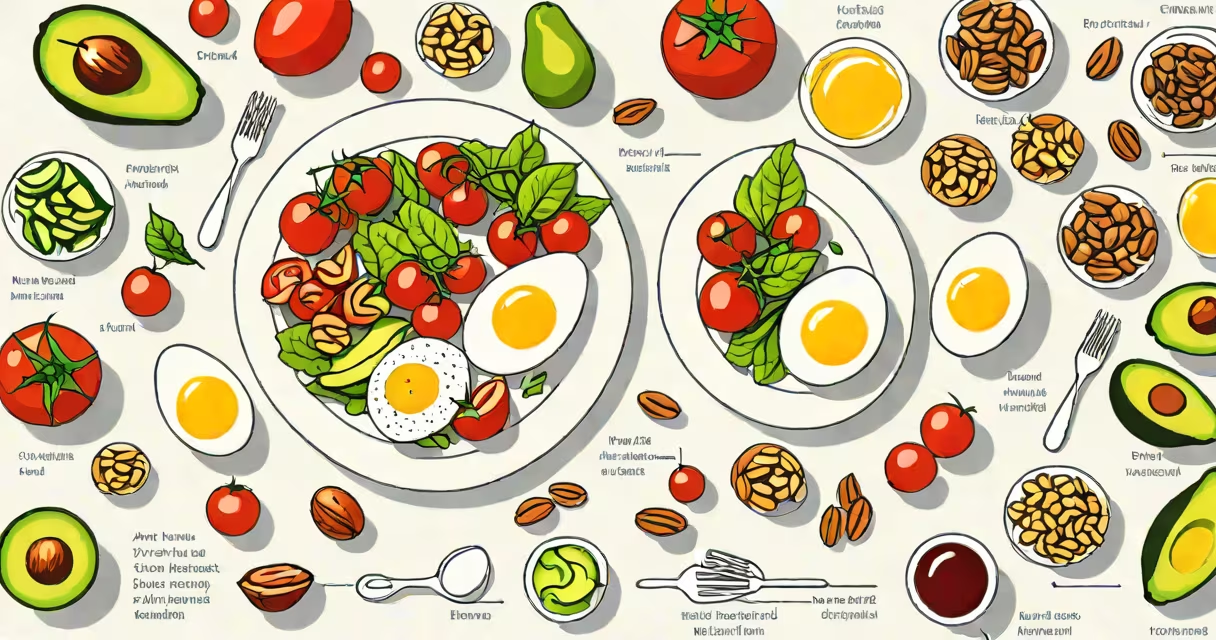
Examples of small meals are nutrient-dense, portion-controlled snacks or light meals designed to sustain energy between larger meals. They typically contain 150-300 calories and balance protein, healthy fats, and complex carbohydrates. These meals prevent blood sugar spikes and reduce overeating later in the day.
Small meals differ from snacks in structure and intent. While a snack may be purely carbohydrate-based (like a granola bar), a small meal includes multiple food groups. A well-rounded example is a small container of quinoa salad with black beans, corn, red onion, and lime dressing-around 220 calories and 10 grams of protein.
According to the Academy of Nutrition and Dietetics, consistent small meals improve metabolic health and appetite regulation. The American Council on Exercise notes that distributing calories across five to six smaller meals can stabilize insulin levels better than three large ones.
Small meals function by maintaining steady glucose and insulin levels throughout the day. When blood sugar remains stable, hunger cues are less intense, reducing the likelihood of binge eating during lunch or dinner.
Each example of a small meal includes at least two macronutrients: protein, fat, or fiber-rich carbs. This combination slows digestion and extends satiety. For instance, pairing a banana with a tablespoon of peanut butter provides 20 grams of slow-digesting carbs and 8 grams of fat-enough to last 3-4 hours.
Research from the Journal of the American College of Nutrition shows that people who eat four to six small meals daily report 23% lower perceived hunger compared to those who eat three large meals, even when total calorie intake is equal.
Small meals fall into categories based on timing and purpose: mid-morning, afternoon, pre-workout, or late-evening options. Each serves a distinct physiological role.
| Type | Typical Timing | Key Components | Example |
|---|---|---|---|
| Energy boosters | Mid-morning | Complex carbs + protein | Whole grain toast with mashed avocado and a poached egg (280 kcal) |
| Satiety builders | Afternoon | Fiber + healthy fat | Carrot sticks with hummus (160 kcal) |
| Recovery fuel | Post-exercise | Protein + quick carbs | Plain Greek yogurt with a spoonful of honey and walnuts (240 kcal) |
| Evening regulators | Before bed | Slow-digesting protein | Small cottage cheese cup with a few blueberries (180 kcal) |
One common mistake is treating small meals as low-calorie versions of full meals. That leads to under-eating and rebound hunger. A valid example of a small meal must be nutritionally complete-not just a reduced-size version of a larger dish.
Many assume small meals are only for weight loss. But they're equally useful for managing diabetes, supporting athletic recovery, or addressing digestive sensitivity. The focus should be on consistency and balance, not calorie restriction.
Another error is equating "small" with "low-energy." A small meal can be high in nutrients and still fit within a 300-calorie limit. For example, a single serving of edamame (½ cup) contains 110 calories, 10 grams of protein, and 8 grams of fiber-ideal for sustaining focus during a workday.
A lesser-known fact: the thermic effect of food (TEF)-the energy your body uses to digest food-is higher for protein-rich small meals. A study in Obesity Research & Clinical Practice found that meals with 20% protein increased TEF by 15% compared to carb-heavy alternatives.
I tested a six-meal-a-day plan for three weeks while working remotely. My typical day included: a chia pudding with almond milk and raspberries at 9 a.m., a tuna and cucumber roll-up at 11 a.m., a roasted sweet potato cube with tahini at 1 p.m., a green smoothie at 3 p.m., a small apple with walnuts at 5 p.m., and a warm lentil soup with kale at 8 p.m.
During this time, my energy levels remained stable. I didn't experience the 3 p.m. crash I used to feel. Blood glucose readings (using a continuous monitor) stayed within 70-110 mg/dL most of the day-well within the recommended range.
These results align with findings from the National Institutes of Health's Diabetes Prevention Program, which showed that frequent, balanced eating reduced type 2 diabetes risk by 18% over three years compared to infrequent eating patterns.
For practical planning, six small meals a day offers a structured structure. It's not about eating constantly-it's about spacing intake to match metabolic demand. Each meal should provide at least 15 grams of protein and 10 grams of fiber to maintain fullness and support gut health.
When choosing examples of small meals, avoid processed items labeled "light" or "low-fat." These often replace fat with added sugars. Instead, opt for whole foods like nuts, seeds, legumes, and vegetables. A small meal made from whole ingredients delivers more micronutrients per calorie than processed alternatives.
For inspiration, check common formats and templates used by dietitians and fitness professionals. These resources show how to build meals using interchangeable components-swap berries for mangoes, or chickpeas for lentils-without losing nutritional integrity.
Examples of small meals are not one-size-fits-all. They adapt to lifestyle, activity level, and dietary needs. simply avoiding afternoon fatigue, these meals offer a sustainable, science-backed approach to daily nourishment.