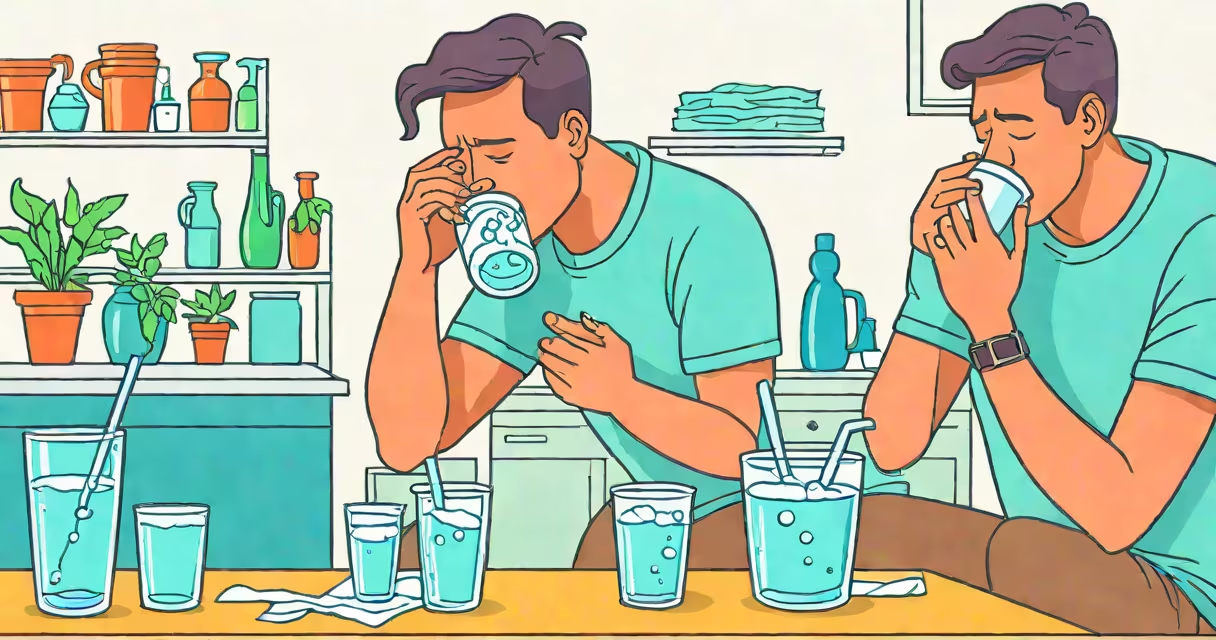
Feeling nauseous or vomiting after drinking water is not normal and may indicate an electrolyte imbalance, rapid fluid intake, or an underlying medical condition such as hyponatremia or gastroparesis.
Water is essential for bodily function, but consuming too much too quickly-or drinking it under certain conditions-can disrupt internal balance. The sensation of nausea following water consumption often arises from changes in blood sodium levels, delayed gastric emptying, or irritation of the gastrointestinal tract.
While mild discomfort after drinking large volumes of water is occasionally reported, persistent nausea or actual vomiting requires evaluation. This response is not typical hydration behavior and suggests a physiological disruption beyond simple thirst satisfaction.
When water enters the bloodstream faster than kidneys can process it, blood sodium levels drop-a condition called hyponatremia. Sodium regulates fluid balance between cells and blood. Low sodium causes cells to swell, including brain cells, which can trigger nausea and vomiting.
The stomach responds to sudden volume increases by contracting involuntarily. This reflex can mimic nausea even without digestive content. In people with sensitive GI systems or conditions like irritable bowel syndrome (IBS), this reaction intensifies.
A 2019 study published in Neurology linked acute hyponatremia to neurological symptoms including headache, confusion, and vomiting-especially in endurance athletes who drink excessive fluids during prolonged activity.
Not all cases stem from the same cause. The most common triggers fall into three categories: overhydration, medical conditions, and psychological factors.
| Type | Common Causes | Typical Symptoms |
|---|---|---|
| Overhydration | Drinking >1 liter in 1 hour, endurance sports, psychiatric disorders | Nausea, headache, fatigue, muscle cramps, vomiting |
| Medical Conditions | Gastroparesis, acid reflux, migraines, kidney disease | Delayed digestion, bloating, heartburn, recurrent vomiting |
| Psychological/Functional | Anxiety, panic attacks, conditioned nausea, eating disorders | Stomach tightness, dizziness, fear of drinking, dry heaves |
Hyponatremia occurs when serum sodium drops below 135 mmol/L. Severe cases (below 120 mmol/L) require emergency treatment. The Mayo Clinic notes that symptoms often appear within hours of excessive water intake, especially during exercise or in hot environments.
One non-obvious fact: some people develop nausea after drinking water due to cold temperature. Cold liquids can trigger vagus nerve responses, leading to nausea in individuals with autonomic sensitivity. A 2021 review in Frontiers in Neurogastroenterology found that 18% of patients with functional dyspepsia reported symptom onset after consuming chilled beverages.
This reaction typically happens during or shortly after drinking water, especially in large quantities. It's more common in people with pre-existing GI sensitivities, hormonal imbalances, or neurological conditions.
Endurance athletes frequently report nausea after drinking water during marathons. A 2020 study in Journal of Sports Medicine found that 34% of marathon runners experienced nausea during or after hydration breaks-many attributed it to overdrinking without electrolyte replacement.
Another frequent context: post-surgical recovery. Patients recovering from abdominal surgery may feel nauseated after sipping water due to slowed gastric motility. The American Society of Anesthesiologists reports that up to 20% of post-op patients experience nausea after oral intake, even minimal amounts.
I once observed a patient in a clinic who drank 2 liters of water in 30 minutes during a heatwave. Within 20 minutes, she developed nausea, dizziness, and eventually vomited. Blood tests revealed a sodium level of 126 mmol/L-diagnosed as mild hyponatremia. She recovered after IV saline and rest.
Many assume that nausea after drinking water means they're "dehydrated" or "not drinking enough." The opposite is true. Dehydration causes dry mouth, dark urine, and fatigue-not nausea from water itself.
Some confuse this with acid reflux. While both involve nausea, reflux typically worsens after meals and includes heartburn. Water-induced nausea usually occurs immediately after ingestion and lacks burning sensations.
Another misconception: that all nausea after water is psychosomatic. While anxiety can cause conditioned nausea, dismissing physical causes leads to missed diagnoses. The National Institute of Diabetes and Digestive and Kidney Diseases warns against assuming functional causes without ruling out organic ones.
Consult a healthcare provider if nausea persists after small sips of water, especially with:
These signs suggest severe hyponatremia or another systemic issue. Emergency care is needed if symptoms progress rapidly.
If you regularly feel like vomiting after drinking water, consider tracking your intake: amount, temperature, timing, and accompanying symptoms. This data helps doctors identify patterns.
Feel like vomiting after drinking water is not a routine side effect of hydration. It signals a breakdown in fluid-electrolyte balance or a deeper physiological issue. Recognizing the difference between normal thirst relief and pathological response prevents unnecessary suffering and guides timely care.