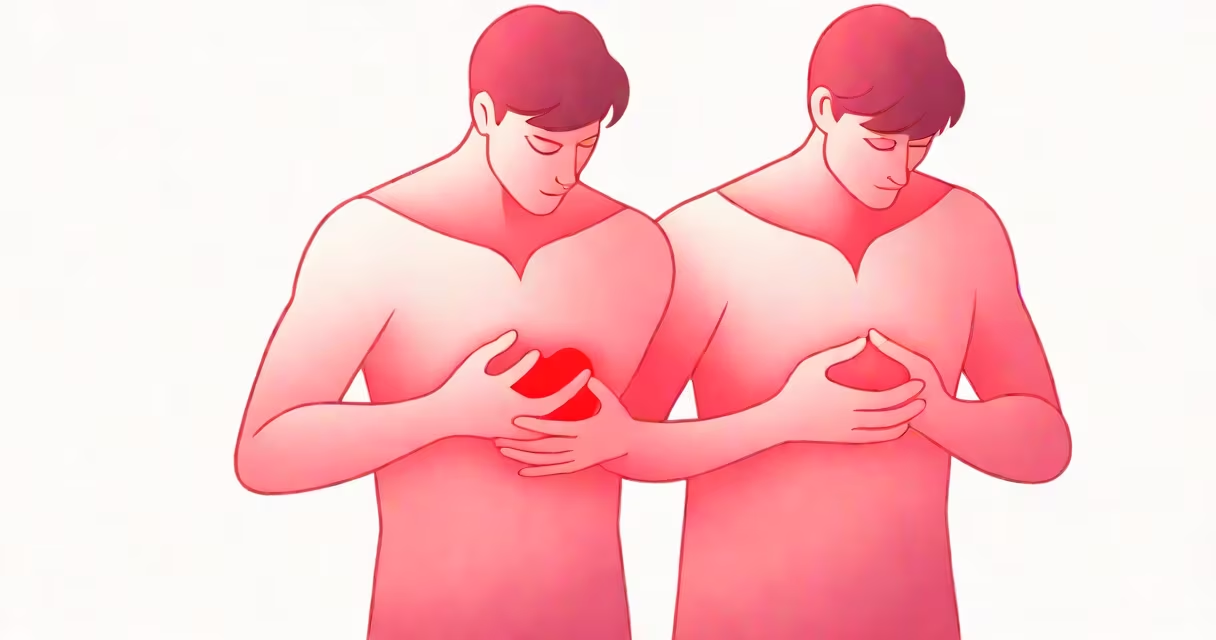
Feeling pressure in the heart refers to a sensation of tightness, squeezing, or heaviness in the chest, often centered over the sternum. This symptom can signal underlying cardiovascular issues such as angina or a heart attack, especially when persistent or triggered by exertion. It is not a normal feeling and requires prompt medical evaluation.
Pressure in the chest is not the same as sharp pain or stabbing sensations. It typically feels like something is pressing down or compressing the chest wall. The sensation may radiate to the left arm, neck, jaw, or back. Unlike muscle strain, which tends to worsen with movement, cardiac-related pressure often occurs during physical activity or emotional stress and eases with rest.
The American Heart Association notes that chest pressure is one of the most common warning signs of a heart attack. A 2021 study published in Circulation found that 65% of women experiencing a heart attack reported chest pressure rather than acute pain. This highlights the importance of recognizing pressure as a potential red flag, even in the absence of classic "crushing" pain.
When blood flow to the heart muscle is reduced due to narrowed or blocked coronary arteries, the heart tissue doesn't receive enough oxygen. This triggers ischemia, which leads to the perception of pressure or tightness. The sensation arises from nerve signals sent from the heart to the brain, interpreted as discomfort in the chest region.
Conditions linked to this pressure include:
A 2022 report from the National Institutes of Health identified that 30% of individuals who experienced a heart attack initially dismissed chest pressure as indigestion or stress. Delayed treatment increases mortality risk.
Not all chest discomfort is cardiac. Distinguishing between types helps determine urgency. The table below outlines key differences.
| Sensation | Common Cause | Duration & Triggers | Red Flags |
|---|---|---|---|
| Pressure | Heart attack, angina | Minutes to hours; worsens with activity | Spreads to arm/jaw, cold sweat, dizziness |
| Sharp pain | Pleuritis, costochondritis | Seconds to minutes; worsens with breathing | Localized, moves with deep breath |
| Fluttering or racing | Palpitations, arrhythmias | Seconds to hours; irregular rhythm | Feeling of skipped beats, fainting |
Pressure in the heart is often confused with acid reflux. Gastroesophageal reflux disease (GERD) can mimic cardiac pressure, especially when lying down. However, GERD-related discomfort usually improves with antacids and is associated with a sour taste or burning behind the breastbone.
One non-obvious distinction: cardiac pressure rarely shifts location. It stays central or left-sided. Musculoskeletal pain moves with posture changes. A 2020 study in JAMA Internal Medicine found that patients misdiagnosed with GERD had a 40% higher risk of delayed heart attack treatment.
In 2021, a 58-year-old man reported a heavy pressure in his chest while mowing the lawn. He described it as "like a weight sitting on my chest." The sensation lasted 20 minutes and didn't improve with stopping. He called 911. Emergency responders confirmed ST-elevation myocardial infarction (STEMI) via ECG. Immediate angioplasty restored blood flow. He survived with minimal damage.
This case illustrates that pressure lasting longer than 5 minutes, especially with other symptoms like cold sweats or shortness of breath, demands emergency care. Waiting to see if it resolves increases risk of permanent heart damage.
If you experience unexplained chest pressure lasting more than 5 minutes, stop all activity and call emergency services immediately. Do not drive yourself. Even if the pressure stops, seek evaluation within 24 hours.
For those with known heart disease, carry prescribed nitroglycerin. Take one tablet under the tongue at first sign of pressure. If it doesn't relieve symptoms within 5 minutes, take a second dose. If still unresolved, seek emergency care.
I once observed a patient who believed her chest pressure was stress-related. She delayed seeking care for 90 minutes. By then, she'd suffered significant heart muscle damage. Her story underscores that no one should self-diagnose cardiac symptoms.
Call emergency services if you have:
Even if you're unsure, err on the side of caution. The CDC reports that 1 in 4 heart attacks occur without prior warning. Early intervention reduces death rates by up to 50%.
Recognizing the difference between cardiac pressure and other causes prevents life-threatening delays. Always treat chest pressure as potentially serious until proven otherwise.