A main drain line is a large pipe-typically 4 inches in diameter-that carries wastewater from all fixtures in a home to the sewer or septic system. When this line becomes blocked, toilets may back up, sinks drain slowly, and foul odors emerge. Clearing it requires identifying the blockage location, selecting the right tool, and applying mechanical or chemical force to dislodge debris.
Most main drain line clogs stem from grease, hair, paper products, or tree root intrusion. The most effective method combines physical removal with preventive maintenance. A plumber's snake (also called a drain auger) is the standard tool for penetrating deep blockages. For minor obstructions, a mixture of baking soda and vinegar can break down organic buildup over time.
According to the Plumbing-Heating-Cooling Contractors Association (PHCC), 60% of residential sewer backups originate from main line blockages caused by fat, oil, and grease (FOG) accumulation. The Environmental Protection Agency (EPA) reports that FOG is responsible for over 40% of sewer overflows in urban areas annually. These numbers show the importance of regular inspection and proactive clearing.
The main drain line runs beneath the foundation, typically exiting the house through a wall or floor access point. Blockages form when solids accumulate and bind with grease, creating a hardened mass that restricts flow. As water pressure builds, it forces waste backward into fixtures, causing backups during flushes or heavy usage.
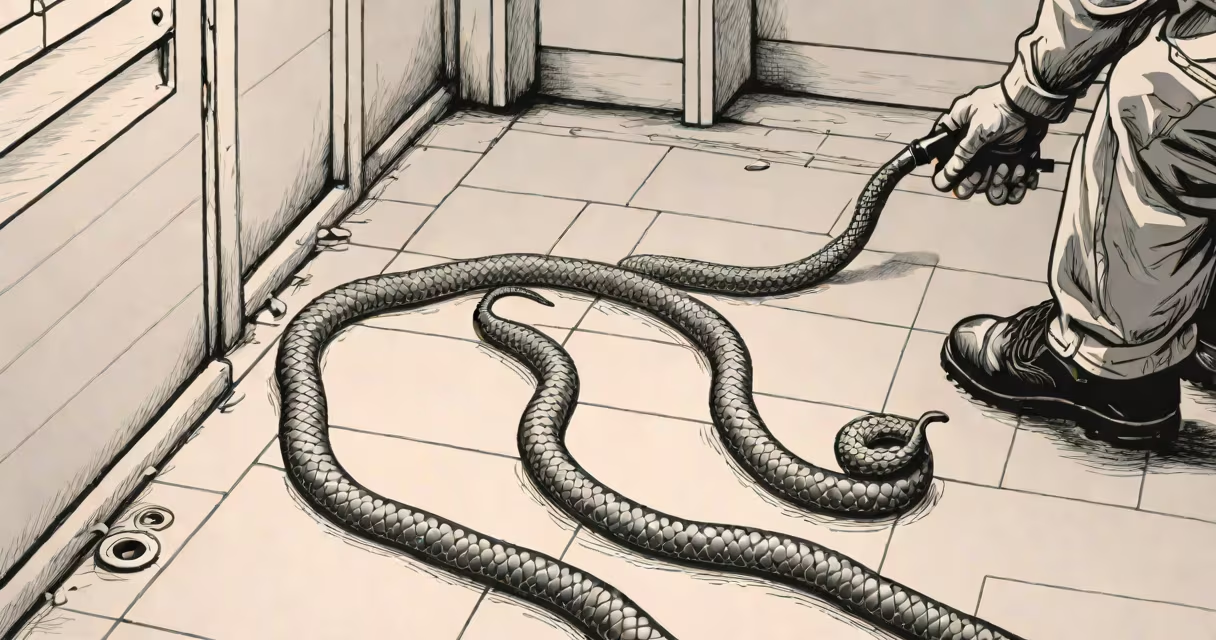
When a drain snake is inserted into the cleanout port-a capped access point near the foundation-it rotates to break apart or retrieve the obstruction. Modern electric snakes can extend up to 100 feet and apply consistent torque, making them ideal for long lines or roots. Manual models require hand cranking and are limited to about 25 feet.
For non-mechanical approaches, pouring 1 cup of baking soda followed by 2 cups of white vinegar into the main drain access point initiates a foaming reaction that dissolves organic matter. After 30 minutes, flush with hot water. This method works best on early-stage clogs and should be repeated weekly for prevention.
Choosing the right tool depends on the severity and location of the blockage. Below is a comparison of common options:
| Tool | Best For | Range | Cost |
|---|---|---|---|
| Manual drain snake | Short, shallow clogs; kitchen or bathroom drains | up to 25 ft | $20-$50 |
| Electric drain snake | Deep blockages; tree roots; long lines | up to 100 ft | $100-$300 |
| Baking soda + vinegar | Preventive care; mild organic buildup | limited to access point | $5 per treatment |
| Hydro-jetting | Severe buildup; recurring issues; professional use | entire line | $200-$500 |
Hydro-jetting uses high-pressure water (up to 4,000 psi) to scour the interior of pipes. It removes scale, grease, and roots but should only be performed by licensed professionals due to the risk of damaging older piping.
One common mistake is using chemical drain cleaners. These contain lye or sulfuric acid and can corrode PVC and cast iron pipes over time. The EPA warns that repeated use of such chemicals contributes to pipe degradation and environmental contamination. They're ineffective against solid masses and can create toxic fumes when mixed with other substances.
Homeowners use main drain clearing methods to prevent sewage backups during storms or high usage periods. In regions with frequent heavy rains, saturated soil increases hydrostatic pressure on sewer lines, forcing waste into basements. Clearing the line reduces this risk.
For example, in 2022, a homeowner in Minneapolis reported a basement backup after a 3-inch rainfall event. The city's public works department traced the issue to a main line clogged with tree roots and grease. After using a 50-foot electric snake, the blockage was cleared, and the system resumed normal function. The homeowner later installed a root barrier and began monthly baking soda treatments.
Another scenario involves homes with older plumbing systems. Cast iron pipes from the 1950s often develop internal rust and scale buildup. Over time, these deposits narrow the bore, reducing flow capacity. A single clog can trigger multiple fixture failures. Regular clearing prevents costly repairs and avoids health risks from raw sewage exposure.
Many assume that flushing toilet paper or wiping with wipes won't harm the main line. But even "flushable" wipes take months to decompose and frequently cause blockages. The National Association of Sewer Service Companies (NASSCO) reports that wipes account for 30% of sewer line blockages in urban areas.
Another misconception is that a slow-draining sink always indicates a clogged main line. In reality, a slow drain usually stems from a localized trap or vent issue. To differentiate, run water in multiple fixtures simultaneously. If all sinks and toilets drain slowly, the problem likely lies in the main line. If only one fixture is affected, focus on the individual trap or vent.
I once attempted to clear a main line using only vinegar and baking soda. The clog persisted for two weeks. Only after inserting a manual snake did I locate a compacted mass of grease and food particles. The snake broke it apart, and the system cleared within minutes. That experience taught me that natural remedies work well for maintenance but fail under pressure.
To clear a main drain line effectively:
If the clog returns within a few weeks, consider a camera inspection of the line. A small video probe can reveal root infiltration, pipe collapse, or misaligned joints. These issues require professional repair and cannot be resolved with DIY tools.
For ongoing maintenance, avoid pouring grease down drains. Instead, collect it in a container and dispose of it in the trash. Install drain screens to catch hair and debris. Schedule a professional inspection every five years to catch problems early.
Understanding how to clear main drain line prevents emergencies, protects your home's infrastructure, and maintains hygiene. With the right tools and habits, most blockages can be managed without calling a plumber.
See how to address recurring drain noises and related symptoms.