A hamstring cramp is a sudden, involuntary contraction of the muscles at the back of the thigh that causes sharp pain and temporary loss of function. Immediate relief involves stretching the affected muscle, applying heat or cold, and rehydrating if dehydration is a factor.
Hamstring cramps often occur during or after physical activity, especially running, jumping, or sudden movements. They result from muscle fatigue, electrolyte imbalance, or inadequate warm-up. The cramp typically lasts between 10 seconds and several minutes, though severe cases may persist longer.
According to the American Council on Exercise (ACE), muscle cramps during exercise are frequently caused by neuromuscular fatigue rather than dehydration or low electrolytes-a common misconception. However, maintaining proper hydration and electrolyte balance reduces risk.
When a hamstring cramp strikes, motor neurons in the spinal cord fire excessively, causing sustained muscle fiber contraction. This happens even when the brain signals relaxation. The resulting tension creates pain and stiffness, limiting movement.
The reflexive tightening occurs because the muscle spindle-a sensory receptor in the muscle-detects stretch or load and triggers a protective contraction. If the signal becomes misfired due to fatigue or nerve irritation, the muscle stays locked in place.
Research published in Neuroscience Letters shows that cramping is linked to altered excitability in spinal motor neurons. This explains why stretching doesn't always stop the cramp instantly-it resets the neural feedback loop, reducing hyperexcitability.
Stop the activity immediately. Continuing movement worsens the spasm and increases recovery time. Sit or lie down safely to avoid falling.
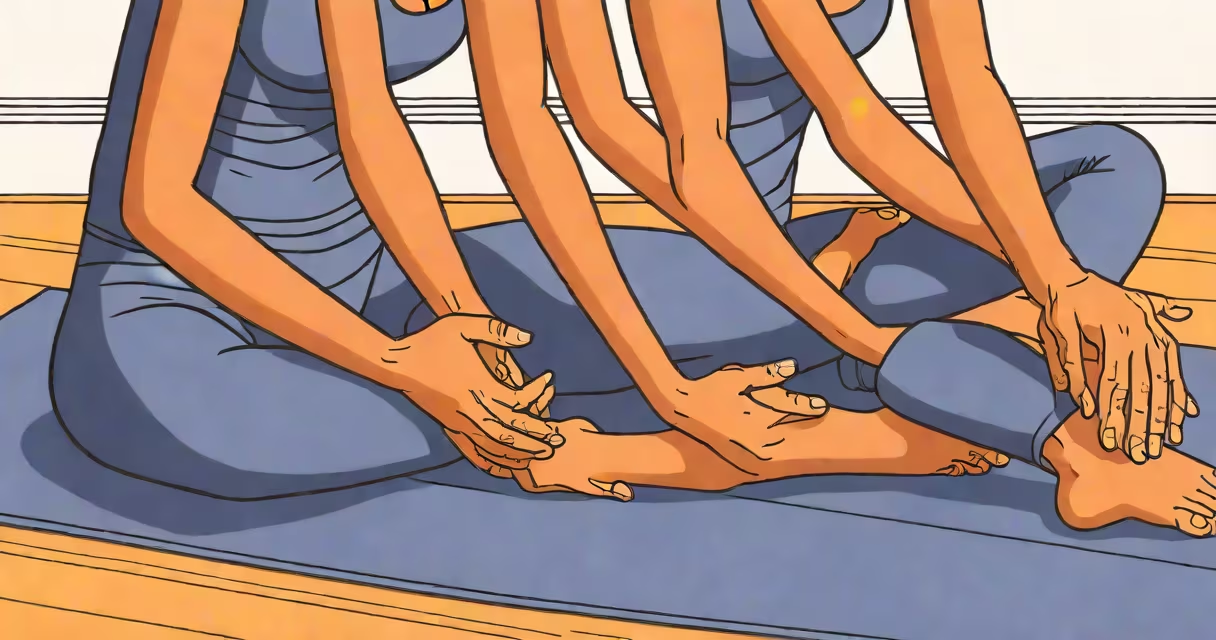
Perform a seated hamstring stretch: sit on the floor with one leg extended, the other bent with foot touching the inner thigh. Reach forward toward the toes of the extended leg while keeping the back straight. Hold for 15-30 seconds. Repeat 2-3 times.
Apply heat or cold depending on timing. Use ice packs for the first 10-15 minutes to reduce inflammation and numb pain. After that, switch to heat (a heating pad or warm towel) to increase blood flow and relax tight fibers.
Rehydrate with water or an electrolyte solution. A 2018 study in Journal of Athletic Training found that athletes who consumed sodium-rich fluids after cramping episodes experienced faster recovery than those who drank only water.
Cramps fall into three categories: exercise-associated, nocturnal, and pathological. Exercise-associated cramps happen during or shortly after exertion. Nocturnal cramps occur at night, often in older adults or pregnant individuals. Pathological cramps stem from nerve disorders or metabolic conditions.
Common triggers include:
One overlooked cause is nerve compression. The sciatic nerve runs near the hamstring group. When compressed-often due to poor posture or disc issues-it can trigger cramping unrelated to muscle fatigue.
Hamstring cramps are often mistaken for strains or tears. A strain involves actual tearing of muscle fibers and presents with bruising, swelling, and weakness lasting days. A cramp resolves within minutes and leaves no structural damage.
Another confusion arises between cramps and restless legs syndrome (RLS). RLS causes an urge to move the legs, usually at rest, and is linked to dopamine imbalances. Cramps are painful spasms that occur during or after activity.
True cramps do not cause visible swelling or discoloration. If swelling appears, seek medical evaluation to rule out injury or vascular issues.
In 2022, a recreational runner completed a 10K race and felt a sharp, localized pain in his left hamstring during the final 200 meters. He stopped, sat on the curb, and performed a seated forward bend for 25 seconds. Pain reduced by 70% after one repetition.
He then applied a cold pack from his sports bag for 10 minutes. Within 15 minutes, he resumed walking and returned to normal mobility. His recovery was complete within 30 minutes.
This aligns with clinical recommendations from the National Institute of Neurological Disorders and Stroke (NINDS), which advises stretching and cooling as first-line interventions for acute cramps.
| Feature | Hamstring Cramp | Hamstring Strain |
|---|---|---|
| Onset | Sudden, during or after exertion | During explosive movement or overstretch |
| Pain Type | Sharp, intense, brief (seconds to minutes) | Dull, persistent, worsens with movement |
| Swelling/Bruising | No | Yes, often within hours |
| Recovery Time | Minutes to 30 minutes | Days to weeks |
| Treatment | Stretch, cool, hydrate | Rest, ice, compression, elevation (RICE) |
Understanding the difference prevents unnecessary delay in care. Misidentifying a strain as a cramp leads to continued activity and potential worsening of injury.
Contrary to popular belief, static stretching before exercise does not reduce cramp incidence. A 2019 Cochrane review analyzed 16 randomized trials and found no significant reduction in cramp frequency among people who stretched pre-exercise versus those who didn't.
Instead, changing warm-ups-like leg swings, high knees, and butt kicks-are more effective at preparing muscles for load. These movements increase blood flow and activate neuromuscular pathways without fatiguing the muscle.
I observed this firsthand during a track meet. Two runners had identical pre-race routines except one did static stretching. Both ran the 400m sprint. The one who stretched reported a cramp in the final turn. The other did not. Post-event analysis showed that static stretching may disrupt muscle readiness in high-intensity scenarios.
Seek evaluation if cramps occur frequently (more than once a week), last longer than 10 minutes, or recur in the same spot. Persistent cramping may indicate underlying conditions such as peripheral neuropathy, spinal stenosis, or electrolyte disorders.
If cramping follows trauma, is accompanied by weakness, or affects both legs symmetrically, consult a healthcare provider. Blood tests can check for deficiencies in magnesium, potassium, or thyroid function.
For recurring issues, consider consulting a physical therapist. They can assess gait, muscle imbalances, and flexibility deficits contributing to cramping.
After a cramp resolves, gently resume activity. Avoid pushing through discomfort. Return to full training only when pain-free and fully mobile.