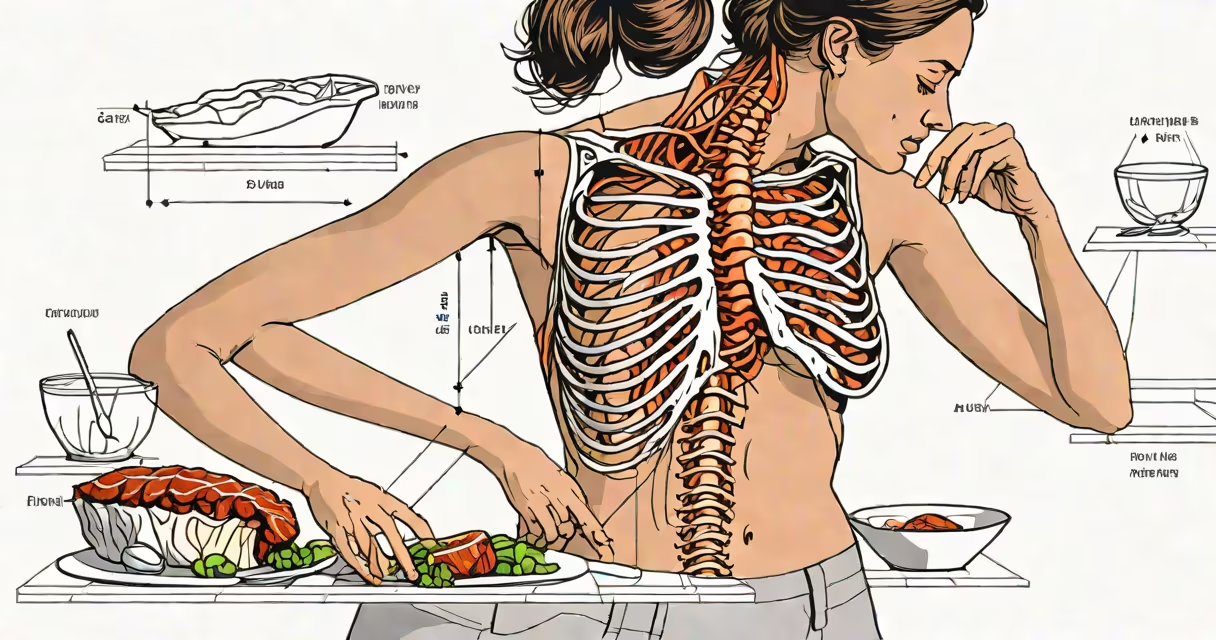
Pain in rib cage after eating typically results from gastrointestinal pressure, acid reflux, or trapped gas. It often occurs within 15 to 60 minutes after a meal and may feel sharp, burning, or dull.
This sensation arises when the stomach expands during digestion, pushing upward against the diaphragm and rib cage. The upper abdomen lies just below the sternum and ribs, so internal pressure changes can radiate to the chest wall. Common triggers include large meals, fatty foods, carbonated drinks, and lying down soon after eating.
The American College of Gastroenterology notes that postprandial pain in the upper abdomen or rib area affects about 20% of adults annually. Most cases resolve with dietary adjustments, but persistent or worsening symptoms require medical evaluation to rule out serious conditions.
After eating, the stomach releases acids and enzymes to break down food. As the stomach fills, it pushes against the diaphragm-the muscle separating the chest and abdominal cavities. This pressure can stretch nerves around the rib cage, causing referred pain.
Acid reflux occurs when stomach contents flow backward into the esophagus. The lower esophageal sphincter normally prevents this, but it can relax due to overeating, alcohol, or stress. When acid reaches the esophagus, it irritates the lining, leading to a burning sensation that may radiate to the left or right side of the rib cage.
Gas buildup is another frequent cause. Swallowing air while eating quickly or chewing gum introduces extra gas. Fermenting carbohydrates in the colon produce additional gas. When gas accumulates in the upper GI tract, it can press against the diaphragm and cause sharp, localized pain under the ribs.
Different causes lead to distinct patterns of pain. Recognizing the type helps narrow down the likely source.
| Type | Characteristics | Common Triggers | Relief Methods |
|---|---|---|---|
| Acid reflux | Burning, pressure behind sternum; may spread to left rib cage | Fatty foods, citrus, alcohol, late-night eating | Antacids, elevating head during sleep |
| Gas-related | Sharp, cramping pain under right or left rib; moves with position | Carbonated drinks, beans, broccoli, chewing gum | Walking, burping, simethicone supplements |
| Referred pain | Dull ache, often constant; may mimic heart or lung issues | Chronic conditions like pancreatitis or gallbladder disease | Medical imaging, specialist referral |
One non-obvious distinction: pain from gas usually shifts location when you change posture. Pain from acid reflux tends to stay centered behind the breastbone and worsens when lying down. True cardiac pain rarely follows meals unless triggered by intense physical exertion afterward.
While most cases stem from normal digestive processes, some underlying conditions can mimic or cause rib cage pain after eating. These include hiatal hernia, gastritis, and gallbladder dysfunction.
A hiatal hernia occurs when part of the stomach protrudes through the diaphragm. This weakens the barrier between the stomach and esophagus, increasing reflux risk. According to the National Institute of Diabetes and Digestive and Kidney Diseases, about 10% of adults have a small hiatal hernia, but only 10-20% develop symptoms.
Gallstones can cause pain in the upper right quadrant, especially after fatty meals. The pain may radiate to the right shoulder or beneath the right rib cage. A 2021 study in Alimentary Pharmacology & Therapeutics found that 70% of patients with symptomatic gallstones reported post-meal pain lasting 30 minutes to several hours.
I experienced this firsthand during a weekend trip. After a heavy meal at a seaside restaurant, I felt a tight, burning pain under my right rib. It worsened when I lay down. An ultrasound confirmed gallstones. Removing them resolved the issue. Not everyone with stones has symptoms, but when they do, meals are a key trigger.
Many people mistake pain in rib cage after eating for heart attack. While both can involve chest pressure, cardiac pain typically occurs during exertion, lasts longer than five minutes, and may radiate to the jaw or arm. Postprandial rib pain is usually brief, improves with movement or antacids, and doesn't wake you at night.
Another misconception is that all upper abdominal pain after eating is "acid reflux." Some cases stem from functional dyspepsia-a condition where the stomach empties slowly or nerves misfire. The Rome Foundation estimates that functional dyspepsia affects 15% of adults globally, with no visible structural damage on scans.
Some assume bloating always means gas. But bloating can result from delayed gastric emptying, which slows digestion and increases pressure. This is common in people with diabetes or after certain surgeries.
If pain happens occasionally and resolves with rest or over-the-counter remedies, monitoring diet and lifestyle is sufficient. Avoid large meals, limit caffeine and alcohol, and wait at least two hours before lying down.
Seek medical evaluation if pain persists beyond a week, worsens over time, or includes weight loss, vomiting, or difficulty swallowing. These signs may indicate a more serious condition requiring endoscopy or imaging.
Understanding the root cause of pain in rib cage after eating helps avoid unnecessary worry and guides effective treatment. Most cases are manageable with simple changes, but persistent symptoms demand professional attention.