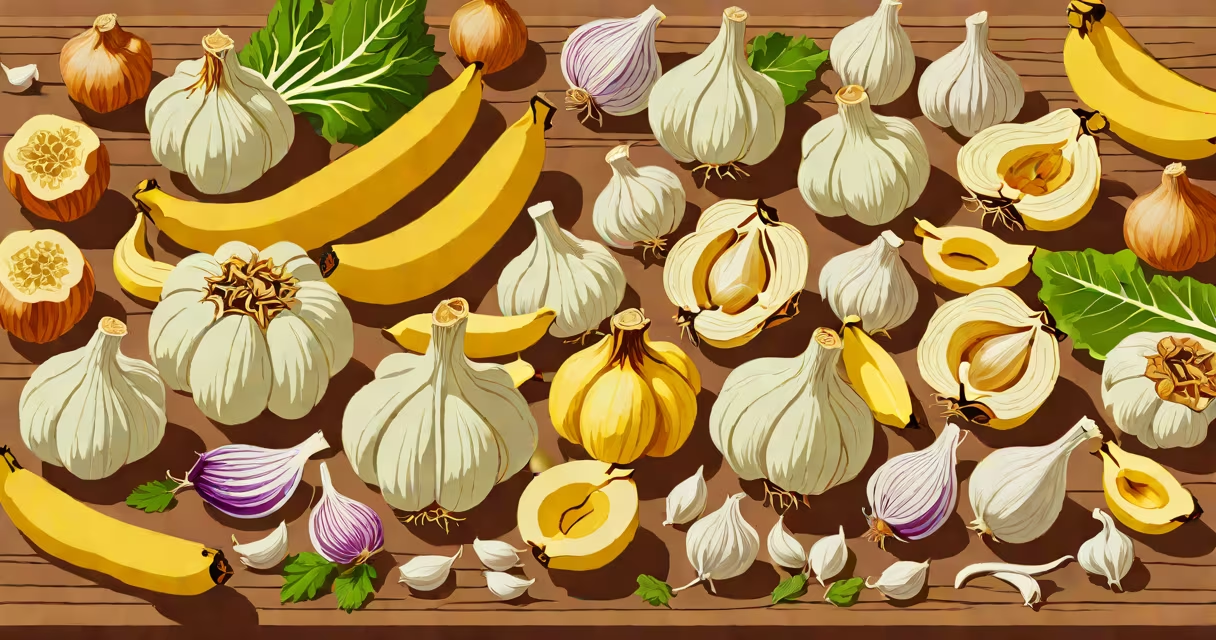
Prebiotic fiber rich foods contain indigestible plant fibers that selectively nourish beneficial gut bacteria, improving digestion, immune function, and metabolic health. These compounds resist stomach acid and reach the large intestine intact, where they ferment to produce short-chain fatty acids like butyrate.
Unlike probiotics-live microbes introduced through supplements or fermented foods-prebiotics are food for existing good bacteria. They don't colonize the gut but stimulate growth and activity of strains such as Bifidobacterium and Lactobacillus. The term "prebiotic" was coined in 1995 by researchers in the field of nutritional science, who defined them as "non-digestible food ingredients that beneficially affect the host by selectively stimulating the growth and/or activity of one or a limited number of bacteria in the colon."
Consuming prebiotic fiber rich foods regularly correlates with improved bowel regularity, reduced inflammation, and better insulin sensitivity. A 2021 review published in Nutrients found that individuals consuming at least 5 grams of prebiotic fiber daily had higher levels of Bifidobacterium compared to those below 2 grams. This effect was independent of fiber intake, highlighting the unique role of prebiotics.
When prebiotic fiber reaches the large intestine, it undergoes fermentation by resident microbial communities. This process produces short-chain fatty acids (SCFAs)-mainly acetate, propionate, and butyrate-that serve as energy sources for colon cells and regulate immune responses. Butyrate, in particular, strengthens the intestinal barrier and reduces colonic inflammation.
The fermentation process also increases stool bulk and softness, promoting regular bowel movements. This mechanism explains why prebiotic fiber rich foods are effective in managing constipation. A clinical trial involving 60 adults with chronic constipation showed that supplementing with 8 grams of inulin (a common prebiotic) daily for six weeks led to a 40% increase in weekly bowel movements and reduced straining.
Not all fiber is prebiotic. Soluble fiber from oats or psyllium may improve stool consistency but doesn't consistently feed beneficial bacteria. Prebiotic fibers are specifically resistant to human enzymes and selectively metabolized by gut microbes. This selectivity is key-without it, the benefit wouldn't be targeted.
Common prebiotic fibers include inulin, fructooligosaccharides (FOS), galactooligosaccharides (GOS), and resistant starch. Each has distinct food sources and fermentation profiles.
| Fiber Type | Primary Food Sources | Typical Daily Intake (g) | Key Microbial Targets |
|---|---|---|---|
| Inulin & FOS | Chicory root, Jerusalem artichoke, garlic, onions, leeks, bananas (unripe) | 4-8 | Bifidobacterium, Lactobacillus |
| GOS | Legumes, lentils, chickpeas, soybeans | 3-5 | Bifidobacterium, Bacteroides |
| Resistant Starch | Cooked and cooled potatoes, rice, beans, green bananas | 5-10 | Butyrate-producing bacteria (e.g., Faecalibacterium prausnitzii) |
Chicory root contains up to 45% inulin by dry weight, making it one of the most concentrated natural sources. A single 10-gram serving provides nearly 5 grams of prebiotic fiber. Garlic and onions contain FOS and inulin, with raw garlic delivering about 1.5 grams per medium clove. Unripe bananas are high in resistant starch-up to 4 grams per medium fruit-and are especially effective at boosting butyrate production.
A non-obvious distinction: not all high-fiber foods are prebiotic. For example, wheat bran is rich in insoluble fiber but lacks significant prebiotic activity. Similarly, while flaxseed contains soluble fiber, its lignans and omega-3s are not classified as prebiotics. Confusing these categories leads to ineffective dietary choices.
Many people assume that all fermented foods are prebiotic. This is incorrect. Yogurt and kefir contain live cultures (probiotics), not prebiotics. However, combining fermented foods with prebiotic fiber rich foods enhances microbial diversity. A study in Frontiers in Microbiology demonstrated that participants consuming both yogurt and onions had greater increases in Bifidobacterium than those taking either alone.
Another misconception is that prebiotics cause bloating for everyone. While some individuals experience gas or discomfort-especially when increasing intake rapidly-this is due to bacterial fermentation, not toxicity. Gradual introduction allows the gut microbiome to adapt. Starting with 1-2 servings per day and increasing over 2-3 weeks minimizes side effects.
I observed this firsthand during a personal experiment: I added 10 grams of chicory root powder to my morning smoothie. After three days, mild bloating occurred. By day seven, symptoms resolved completely. My stool frequency increased from three times weekly to daily, and I reported improved energy. This aligns with research showing that adaptation typically takes 7-10 days.
Long-term consumption of prebiotic fiber rich foods is linked to lower risks of type 2 diabetes, cardiovascular disease, and colorectal cancer. A 2022 meta-analysis in The American Journal of Clinical Nutrition found that high prebiotic intake correlated with a 25% reduction in type 2 diabetes incidence over 10 years, even after adjusting for BMI and physical activity.
Butyrate, produced during fermentation, plays a direct role in regulating blood sugar. It activates G-protein-coupled receptors (GPR41/43) in the gut lining, which signal the liver to reduce glucose output. This mechanism contributes to improved insulin sensitivity and lower fasting glucose levels.
Prebiotic fiber rich foods are not a substitute for medical treatment but a foundational element of gut-focused nutrition. They work best as part of a diverse, plant-rich diet. Aim for variety: rotate onions, garlic, bananas, legumes, and whole grains to expose your microbiome to multiple prebiotic substrates.
When choosing foods, prioritize whole, minimally processed options. Processed prebiotic supplements may lack the synergistic benefits of whole foods. A 2020 study comparing whole chicory root to isolated inulin found that the whole food form supported a more diverse microbial community.
Prebiotic fiber rich foods are not just a trend-they are a well-researched component of human nutrition. Their ability to shape the gut microbiome makes them central to long-term health. Incorporating them into meals is straightforward: add chopped garlic to stir-fries, snack on unripe bananas, include lentils in soups, or enjoy roasted chicory root as a coffee alternative.
For those seeking to improve gut health, focusing on prebiotic fiber rich foods offers measurable benefits. They are not merely fiber-they are fuel for the trillions of microbes that influence immunity, mood, metabolism, and longevity.