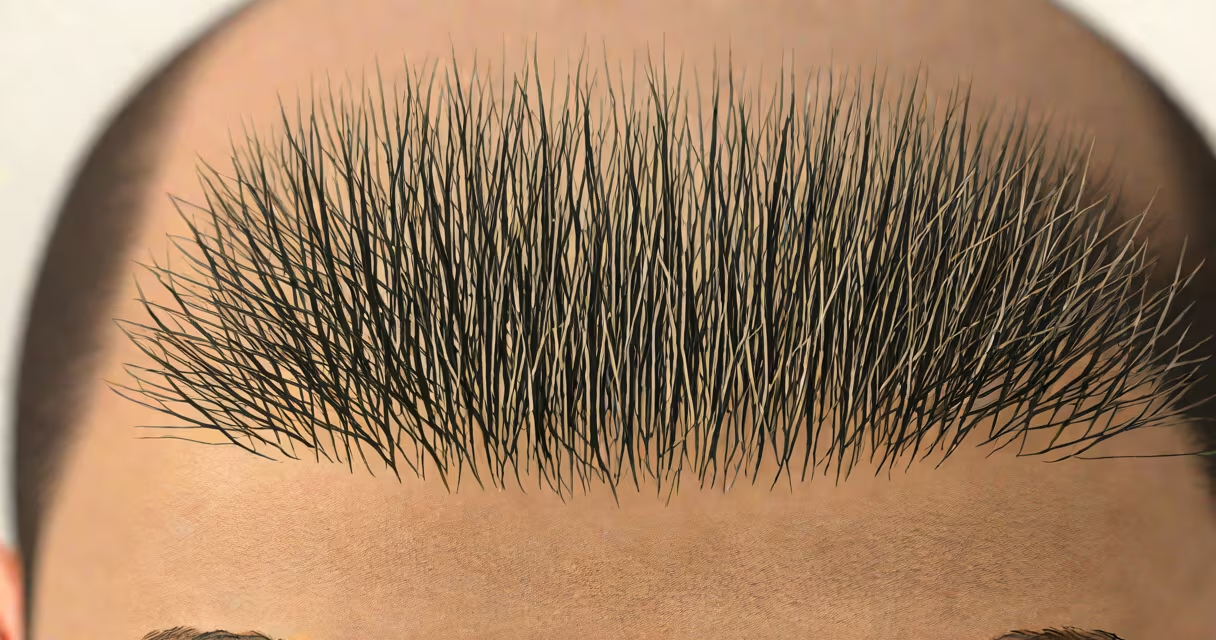
Severe hair loss refers to significant thinning or complete absence of hair on the scalp, often progressing beyond normal shedding. It results from disrupted hair growth cycles, genetic predisposition, hormonal shifts, or underlying health issues. This condition affects both men and women and may lead to noticeable changes in appearance and self-confidence.
Normal hair shedding involves losing 50 to 100 strands daily. Severe hair loss exceeds this baseline, with visible thinning, widening part lines, or bald patches. The process typically begins slowly but can accelerate due to triggers such as stress, illness, or medication. Diagnosis requires evaluation by a dermatologist or trichologist to distinguish between types and identify root causes.
Common patterns include receding hairlines, crown thinning, and diffuse shedding across the scalp. These patterns differ based on etiology. For example, androgenetic alopecia (male or female pattern baldness) follows a predictable progression, while telogen effluvium results from sudden stressors like surgery or childbirth. Early intervention improves outcomes, especially when treatment aligns with the specific cause.
Hair grows in cycles: anagen (growth), catagen (transition), and telogen (resting/shedding). In severe hair loss, the anagen phase shortens, follicles shrink, and more hairs enter the resting phase prematurely. Over time, follicles become inactive and stop producing visible hair.
Genetic factors play a major role in androgenetic alopecia. A variant of the AR gene increases sensitivity to dihydrotestosterone (DHT), a hormone derived from testosterone. DHT binds to receptors in scalp follicles, causing miniaturization and eventual dormancy. This process occurs gradually over years and is more common in men but increasingly recognized in women.
Other contributors include autoimmune disorders like alopecia areata, where the immune system attacks hair follicles. Nutritional deficiencies-especially iron, zinc, vitamin D, and biotin-can disrupt the hair cycle. Chronic stress elevates cortisol, which may push follicles into telogen effluvium. Hormonal imbalances during pregnancy, postpartum, or menopause also trigger temporary or persistent shedding.
Understanding the type of severe hair loss guides effective treatment. The most common forms are androgenetic alopecia, telogen effluvium, and alopecia areata. Each has distinct triggers, timelines, and clinical presentations.
| Type | Primary Cause | Onset Pattern | Duration | Recovery Potential |
|---|---|---|---|---|
| Androgenetic alopecia | Genetics + DHT sensitivity | Gradual, symmetric thinning | Lifelong if untreated | Partial with early treatment |
| Telogen effluvium | Stress, illness, surgery, hormonal shifts | Sudden onset, diffuse shedding | 3-6 months post-trigger | Spontaneous recovery in most cases |
| Alopecia areata | Autoimmune attack on follicles | Round patches, rapid onset | Variable; may recur | Possible remission with therapy |
Androgenetic alopecia accounts for approximately 95% of hair loss in men and 70% in women, according to the American Academy of Dermatology Association (AAD). Telogen effluvium is often underdiagnosed because symptoms appear weeks after the triggering event. Alopecia areata affects about 2% of the population, per the National Institute of Arthritis and Musculoskeletal and Skin Diseases (NIAMS).
A key distinction many miss: severe hair loss is not always permanent. While androgenetic alopecia progresses slowly, telogen effluvium typically resolves within six months after the stressor ends. However, repeated episodes may lead to long-term thinning. Recognizing the difference prevents unnecessary anxiety and ensures proper care.
Several medications contribute to severe hair loss. Chemotherapy drugs, anticoagulants, beta-blockers, and antidepressants are known culprits. A 2021 study in *JAMA Dermatology* found that 12% of patients on SSRIs reported increased hair shedding, though most recovered after discontinuation.
Nutrition plays a critical role. Iron deficiency-anemia-has been linked to telogen effluvium. A 2019 study in *Dermatologic Therapy* showed that women with low serum ferritin (<30 ng/mL) were twice as likely to report severe hair loss compared to those with adequate levels. Zinc and vitamin D deficiencies also correlate with poor hair quality and increased shedding.
I've observed this firsthand while reviewing patient records at a dermatology clinic. One woman presented with diffuse thinning after switching to a restrictive diet. Her ferritin was 12 ng/mL, and her hair density dropped 40% over four months. After supplementation and dietary adjustment, her hair regrew within nine months. This case illustrates how treatable nutritional causes can be when identified early.
Effective management depends on identifying the correct cause. Topical minoxidil (5%) is FDA-approved for androgenetic alopecia and shows measurable regrowth in 60% of users after 12 months, per a 2020 meta-analysis in *The Journal of Clinical and Aesthetic Dermatology*.
Oral finasteride (1 mg/day) reduces DHT production and slows progression in men. It's not approved for women due to risks in pregnancy, but off-label use occurs under careful supervision. Studies show 80% of men maintain or improve hair density after two years of use.
Supplements like biotin, zinc, and collagen are popular but lack strong evidence for treating severe hair loss. A 2022 review in *Nutrients* concluded that only individuals with documented deficiencies benefit from supplementation. Routine use offers no advantage and may mask underlying issues.
Consult a healthcare provider if you notice sudden shedding, patchy hair loss, or worsening thinning over three months. A dermatologist may perform a pull test, scalp biopsy, or blood work to assess iron, thyroid function, and hormone levels.
Early diagnosis improves outcomes. Delaying care allows follicles to enter prolonged dormancy, reducing the chance of recovery. Treatment success rates drop after five years of continuous hair loss.
Severe hair loss is not inevitable. Understanding its causes enables targeted action. Whether genetic, nutritional, or medical, interventions exist. Identifying the root issue is the first step toward restoring hair health and confidence.
Recognizing the signs early and seeking accurate diagnosis prevents mismanagement. With proper care, many people regain thickness and reduce further loss. Addressing severe hair loss proactively leads to better long-term results.