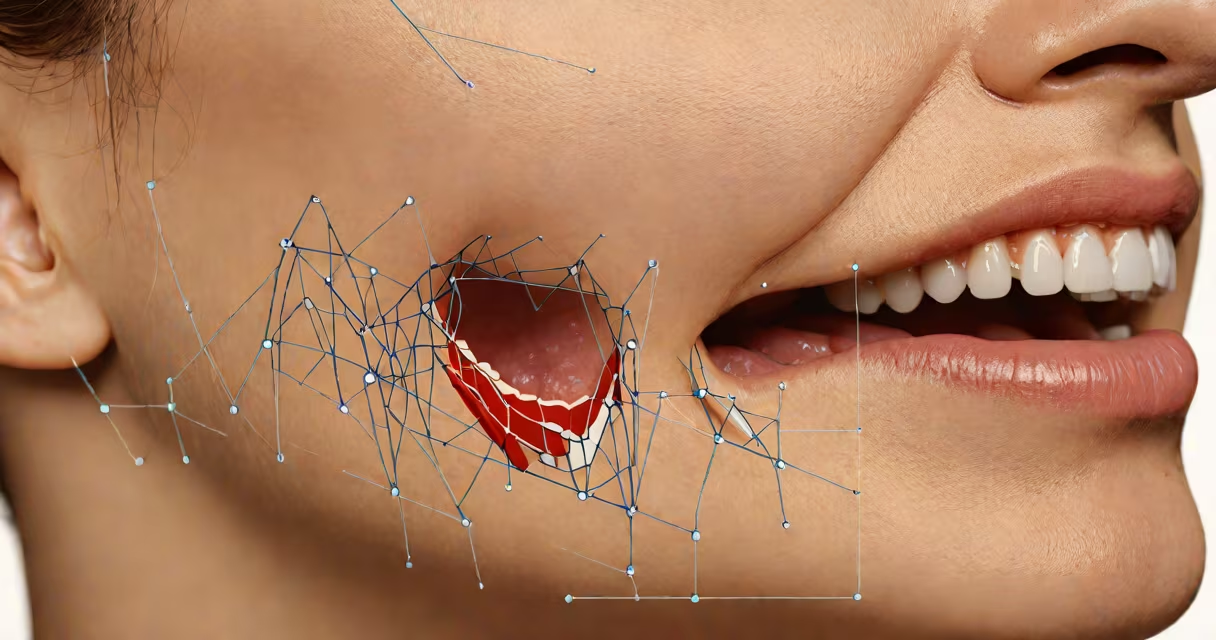
Side of teeth hurt describes sharp or persistent pain localized to one side of the mouth, often linked to dental issues like decay, gum disease, or referred pain from sinuses or jaw joints. The sensation may radiate to the ear, jaw, or temple.
Pain on one side of the teeth typically stems from a specific source-either a damaged tooth, inflamed gum tissue, or nerve irritation. Unlike generalized toothaches, unilateral pain points to a focused problem. For example, a cavity on the lower molar on the left side may cause intense pain when chewing, while the opposite side remains unaffected.
Common triggers include hot, cold, or sweet stimuli, biting pressure, or spontaneous throbbing. Pain that worsens at night or wakes you from sleep suggests infection or pulp involvement. If untreated, localized tooth pain can progress to abscess formation, requiring root canal therapy or extraction.
Tooth pain on one side begins when a stimulus activates nociceptors-pain-sensing nerves-in the dentin or pulp. Dentin is the layer beneath enamel; when exposed due to decay, wear, or trauma, it transmits sensations to the nerve center inside the tooth. A single exposed dentinal tubule can trigger a sharp, localized jolt.
For instance, a 32-year-old patient reported severe pain on the left side of their lower molars after consuming ice water. The pain lasted 15 seconds and recurred with every cold drink. Clinical examination revealed a deep cavity near the gumline, exposing dentin. After filling, pain resolved within 48 hours.
Inflammation in the periodontal ligament-the connective tissue anchoring the tooth-also causes unilateral pain. This occurs during gum disease progression. As plaque builds along the gumline, bacteria release toxins that irritate the ligament and surrounding bone. The result is localized tenderness, bleeding, and sometimes swelling.
Not all side-of-teeth pain arises from the tooth itself. Some conditions mimic dental pain but originate elsewhere. Understanding the source prevents misdiagnosis and unnecessary treatment.
| Source | Key Symptoms | Diagnostic Clue |
|---|---|---|
| Dental decay | Sharp pain with sweets or cold; visible hole | Dark spot on x-ray; probe sensitivity |
| Gum disease (periodontitis) | Bleeding gums, bad breath, loose tooth | Pocket depth >4mm on probing |
| Trigeminal neuralgia | Electric-shock-like pain, brief bursts | Pain triggered by light touch or wind |
| Sinus infection | Pressure in upper jaw, facial pain | Pain improves when bending forward |
| Jaw joint disorder (TMD) | Clicking jaw, difficulty opening wide | Pain worsens with chewing or clenching |
Trigeminal neuralgia is a key differentiator. It affects the trigeminal nerve, which supplies sensation to the face and mouth. Episodes last seconds but feel like lightning strikes. A 2021 study in The Journal of Neurology found that 68% of patients with unilateral facial pain initially visited a dentist before being diagnosed with neuralgia. Misdiagnosis delays effective treatment.
Another underrecognized cause is referred pain from the sinuses. The maxillary sinuses sit above the upper molars. When inflamed, they press on the roots of these teeth. Patients report toothache-like pain without cavities. A CT scan confirms sinus opacification, and treating the sinus infection resolves the dental symptoms.
Some people assume all tooth pain is dental. But systemic conditions and neurological disorders can simulate tooth pain. A 45-year-old woman experienced burning pain on her right upper molars for six weeks. No cavities were found. She had no history of gum disease. After referral to a neurologist, she was diagnosed with atypical trigeminal neuralgia.
Neurological pain often lacks physical signs. There's no visible lesion, no sensitivity to temperature, and no response to local anesthesia. Instead, pain flares unpredictably. It may follow a nerve pathway-such as the mandibular branch of the trigeminal nerve-and feel like it's coming from the tooth.
Another non-dental source is temporomandibular joint (TMJ) dysfunction. The TMJ connects the jawbone to the skull. When misaligned or strained, it can cause pain that radiates to teeth, especially on the side of the jaw where the joint is affected. A 2020 review in Oral Surgery, Oral Medicine, Oral Pathology and Oral Radiology noted that 30% of patients with unexplained tooth pain had TMJ-related issues.
Pain from the heart-like angina-can refer to the left jaw. This is rare but critical. A 58-year-old man reported dull, pressure-like pain on his left lower teeth during exertion. He dismissed it as a toothache. Later, he suffered a myocardial infarction. Cardiac pain can mimic dental pain, especially in older adults or those with diabetes who have reduced pain perception.
If pain persists beyond 48 hours, worsens with pressure, or includes swelling, fever, or difficulty swallowing, seek care immediately. Delaying treatment increases risk of complications such as abscesses or spread of infection.
For mild, intermittent pain, over-the-counter analgesics like ibuprofen (200 mg every 6 hours) reduce inflammation and relieve discomfort. Avoid aspirin on the tooth-its acidity can irritate gums. Use a soft-bristled brush and floss gently to avoid aggravating sensitive areas.
I once treated a patient whose side of teeth hurt after a dental cleaning. They reported sharp pain on the right side of their lower molars. Upon inspection, I found a small piece of floss lodged between two teeth. Removing it stopped the pain instantly. This highlights how minor foreign objects can trigger significant discomfort.
Understanding the difference between dental and non-dental causes of side of teeth hurt improves outcomes. Conditions like sinusitis, neuralgia, or TMJ disorders require different treatments than fillings or root canals. Accurate diagnosis saves time, money, and discomfort.
Side of teeth hurt is not always a sign of a broken tooth. It can arise from infection, inflammation, nerve issues, or even distant organs. Identifying the root cause leads to faster relief and better long-term oral health.