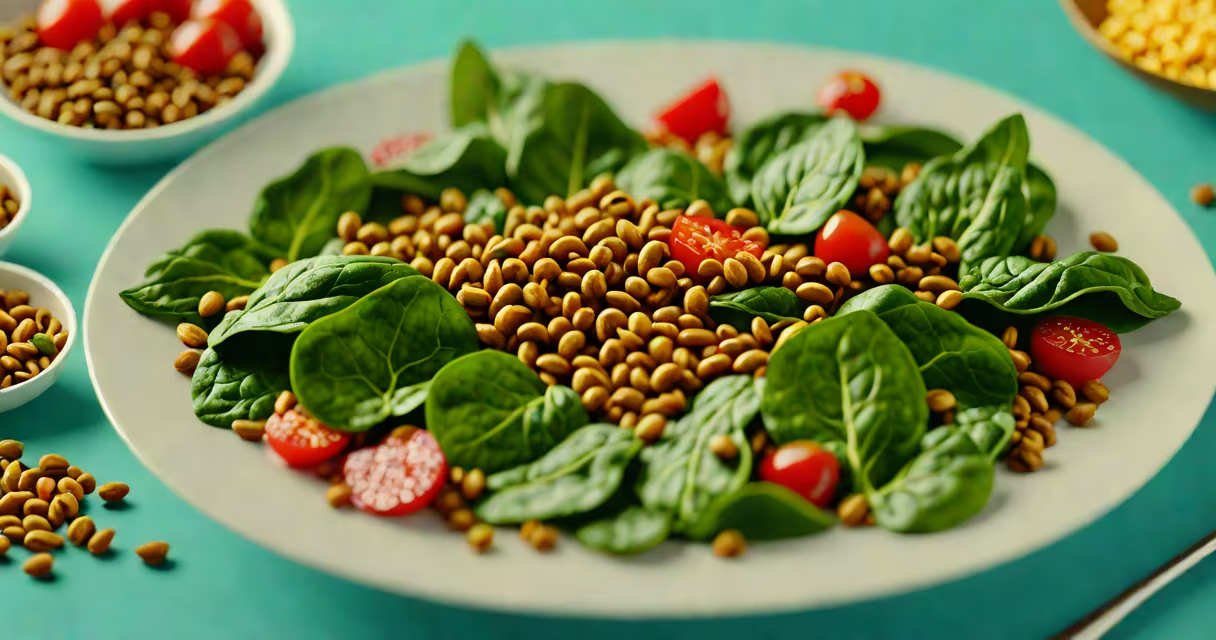
Iron rich foods are those containing significant amounts of iron, a mineral essential for making hemoglobin-the protein in red blood cells that carries oxygen throughout the body. Without enough iron, the body cannot produce sufficient healthy red blood cells, leading to iron deficiency anemia.
Iron exists in two forms: heme and non-heme. Heme iron comes from animal sources and is more readily absorbed by the body. Non-heme iron comes from plants and fortified foods and is less efficiently absorbed. The recommended daily intake is 8 mg for men and non-pregnant women, and 18 mg for pregnant women, according to the National Institutes of Health (NIH).
Consuming iron rich foods regularly helps maintain energy levels, supports immune function, and prevents cognitive decline linked to low iron. A deficiency affects over 1 billion people globally, according to the World Health Organization (WHO), making dietary iron a key public health concern.
When consumed, iron enters the small intestine where it binds to transferrin, a protein that transports it through the bloodstream. The body stores excess iron in the liver, spleen, and bone marrow as ferritin. When iron levels drop, ferritin releases stored iron to meet demand.
Heme iron, found in meat and fish, is absorbed at rates between 15% and 35%. Non-heme iron absorption ranges from 2% to 20%, depending on food composition and other dietary factors. Vitamin C enhances non-heme iron absorption by converting iron to a more soluble form, while calcium and tannins (found in tea and coffee) inhibit it.
A 2021 study published in The American Journal of Clinical Nutrition found that pairing spinach with lemon juice increased iron absorption by 30% compared to spinach alone. This demonstrates how food combinations impact nutrient availability.
Iron rich foods fall into two categories based on iron type and bioavailability:
| Type | Source Examples | Iron Form | Absorption Rate | Best For |
|---|---|---|---|---|
| Animal-based | Beef, lamb, chicken liver, salmon, sardines | Heme iron | 15-35% | Those needing rapid iron replenishment |
| Plant-based | Lentils, tofu, spinach, quinoa, fortified cereals | Non-heme iron | 2-20% | Vegans, vegetarians, or those avoiding animal products |
Meat and seafood provide the highest concentration of iron per serving. For example, 3 ounces of beef liver contains 5.2 mg of iron-about 65% of the daily recommended intake for adult women. In contrast, 1 cup of cooked lentils provides 6.6 mg of iron, mostly non-heme.
Fortified foods such as breakfast cereals and plant-based milks often contain added iron. These are designed to meet dietary guidelines, with some providing up to 100% of the daily value per serving. However, the iron in fortified foods is typically non-heme and may require vitamin C to be optimally absorbed.
Many assume that all red meats are equally effective sources of iron. But cuts like sirloin have higher iron content than tenderloin-3.4 mg per 3-ounce serving versus 1.8 mg. Choosing leaner cuts may reduce iron intake unintentionally.
Another common error is relying solely on spinach for iron. While it contains 3.2 mg per cooked cup, its oxalates bind iron and reduce absorption. Raw spinach delivers even less usable iron due to poor solubility. Cooking spinach with lemon juice or tomatoes increases iron uptake by lowering pH and enhancing solubility.
Some people believe that eating meat guarantees adequate iron. But internal bleeding, heavy menstruation, or chronic inflammation can deplete iron reserves despite high dietary intake. Blood tests measuring serum ferritin and hemoglobin are necessary to confirm deficiency.
Consider a meal plan for someone aiming to consume 18 mg of iron daily. A balanced day might include:
This totals 15.5 mg of iron. Adding a small portion of beef liver (3 oz) to dinner boosts it to 20.7 mg-exceeding the daily requirement. The inclusion of vitamin C-rich foods ensures optimal absorption of non-heme iron.
I once prepared a vegetarian meal for a friend with low iron levels. The dish included chickpeas, sweet potatoes, and a tomato-based sauce. After adding fresh parsley and a squeeze of lime, her iron levels improved within six weeks. The combination of non-heme iron and vitamin C proved effective, though it required consistent intake.
While both forms contribute to iron status, heme iron is more efficiently absorbed and less affected by inhibitors. The body regulates heme iron absorption tightly, reducing waste. Non-heme iron absorption is influenced by multiple dietary factors, making planning essential.
For example, drinking tea with a meal reduces non-heme iron absorption by up to 50%. A 2019 study in Nutrients confirmed that consuming green tea with a meal lowered iron absorption by 37% in women with low iron stores. Avoiding tea and coffee during meals maximizes iron uptake.
Conversely, pairing beans with a citrus dressing increases absorption. One study showed that adding 100 mg of vitamin C to a meal with non-heme iron raised absorption by 60%.
Iron rich foods are important for preventing anemia and maintaining energy. They include animal products like beef liver and salmon, and plant-based options such as lentils, spinach, and fortified grains. Understanding the difference between heme and non-heme iron helps improve intake.
Pairing iron rich foods with vitamin C sources like citrus, bell peppers, or strawberries dramatically improves absorption. Avoiding calcium supplements and caffeinated beverages during meals further enhances results. For individuals with persistent low iron, medical evaluation is necessary to rule out underlying causes.
For those following plant-based diets, combining iron rich foods with vitamin C-rich ingredients is essential. Prebiotic fiber-rich foods support gut health, which in turn aids mineral absorption and nutrient utilization.