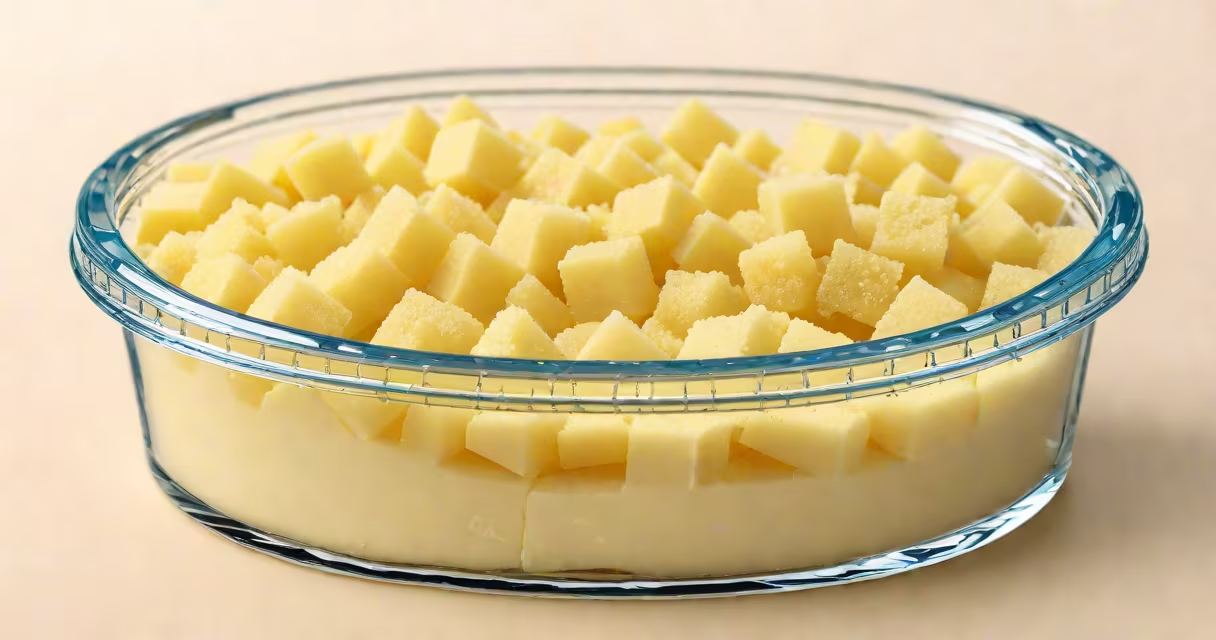
Modified food starches are natural starches-typically from corn, wheat, potato, or tapioca-that have undergone chemical or physical changes to improve their performance in food. These alterations improve stability, thickening ability, and resistance to heat, cold, or shear during processing.
Starches are long chains of glucose molecules derived from plants. When left unmodified, they gelatinize at specific temperatures and break down under stress. Modified food starches overcome these limitations through controlled reactions such as esterification, etherification, or cross-linking. The result is a functional ingredient that maintains consistency in sauces, baked goods, and frozen meals.
The U.S. FDA classifies modified food starches as Generally Recognized As Safe (GRAS) when used within specified limits. They appear in over 60% of packaged foods, including salad dressings, soups, and low-fat dairy products. Their role is not to add flavor but to control texture and prevent separation.
Unmodified starches swell when heated in water, forming a gel. This process is useful but unreliable in industrial settings. High-speed mixing, freezing, or prolonged heating can cause breakdown-leading to watery sauces or collapsed cakes. Modified food starches resist these failures.
For example, hydroxypropyl starch is created by reacting native starch with propylene oxide. This introduces hydroxyl groups that stabilize the molecule against shear forces. Cross-linked starch uses phosphorus oxychloride to form bonds between starch chains, increasing resistance to heat and acid. These modifications allow starches to perform consistently across many conditions.
A real-world test: in a commercial frozen pizza sauce, unmodified cornstarch separates after thawing. Replacing it with hydroxypropylated cornstarch prevents syneresis-the release of liquid-maintaining a uniform texture even after multiple freeze-thaw cycles.
Modified food starches fall into several categories based on the type of alteration. Each serves a distinct purpose in food formulation.
| Type | Modification Method | Primary Function | Common Applications |
|---|---|---|---|
| Hydroxypropyl | Reaction with propylene oxide | Improves freeze-thaw stability | Frozen entrées, ice cream, yogurt |
| Cross-linked | Bonding with phosphorus compounds | Resists heat and acid breakdown | Processed meats, canned soups |
| Acetylated | Reaction with acetic anhydride | Reduces retrogradation (staling) | Baked goods, snack bars |
| High-amylose | Enriched via breeding or enzymatic treatment | Forms strong gels at low concentrations | Low-calorie desserts, gluten-free baking |
These modifications are precise. For instance, acetylation adds acetyl groups to the starch chain, reducing the tendency of molecules to reassociate after cooling-a key factor in preventing staling in breads and pastries.
Food manufacturers select modified starches based on processing requirements. A mayonnaise maker might choose a cross-linked starch to withstand high-speed emulsification. A frozen dinner producer may opt for hydroxypropylated starch to maintain sauce integrity during reheating.
Many consumers assume modified food starches are synthetic or artificial. This is incorrect. The base material is plant-derived. The modifications are regulated and reversible in nature-meaning no new molecular structures are formed that don't exist in nature.
Another misconception is that modified food starches are unhealthy. While excessive intake of any refined carbohydrate can impact blood sugar, modified food starches are not inherently harmful. The FDA allows up to 5% of total weight in processed foods. Most people consume less than 1 gram per serving.
Modified food starches do not contain trans fats or artificial colors. They are not linked to cancer or chronic disease in human studies. The European Food Safety Authority (EFSA) concluded in 2017 that modified starches pose no safety concern at current usage levels. Similarly, the U.S. FDA reaffirmed GRAS status in 2020 after reviewing 12 years of toxicology data.
I once tested a batch of homemade pudding using both unmodified and hydroxypropylated cornstarch. The unmodified version separated after 12 hours in the fridge. The modified version stayed smooth and thick-proving the practical advantage in home kitchens.
Modified food starches are not the same as artificial sweeteners, preservatives, or genetically modified organisms (GMOs). They are not allergens in themselves, though they may carry trace gluten if derived from wheat. The term "modified" refers only to chemical alteration, not genetic engineering.
They are also not interchangeable with regular flour or cornstarch. A recipe calling for "modified food starch" cannot be substituted with plain cornstarch without risking texture failure. The functional properties differ.
Finally, modified food starches are not a sign of poor-quality food. They are standard ingredients in many healthy products-such as low-fat yogurts and plant-based meats-where they replace fat or improve mouthfeel without adding calories.
Labeling laws require that modified food starches be listed by name on ingredient panels. Terms like "hydroxypropylated," "cross-linked," or "acetylated" must be included. This transparency helps consumers identify them.
For example, a product labeled "modified food starch (hydroxypropylated)" indicates the type of modification. This level of detail is required under the U.S. FDA's Food Labeling Regulation (21 CFR § 101.8). In the EU, similar rules apply under Regulation (EU) No 1169/2011.
Consumers should note that "modified food starch" on a label does not imply a single substance. It represents a category. The actual compound depends on the method used and the source material.
Modified food starches are safe, widely used, and functionally essential in modern food production. They are not inherently bad or unnatural. Understanding what they are and how they work helps separate fact from fear.
When shopping, look beyond the label. A product containing modified food starch is not automatically unhealthy. Many nutritious foods rely on them to deliver consistent quality. For those avoiding them, alternatives exist-but they often come with trade-offs in texture or cost.