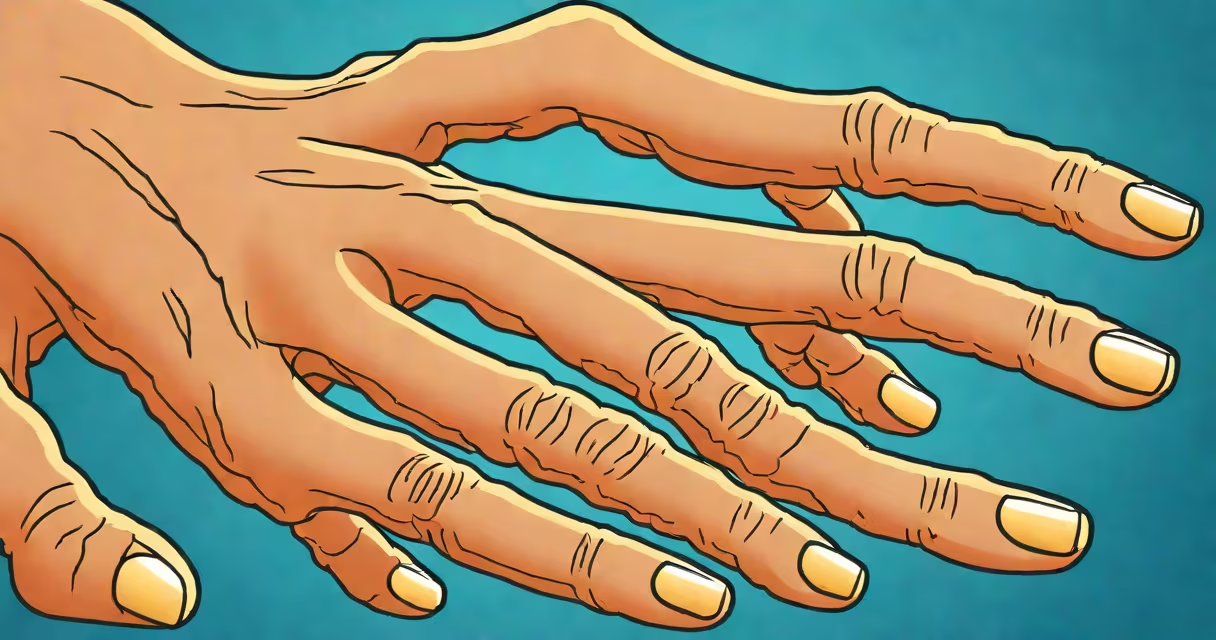
Arthritis flares are sudden episodes of increased joint pain, stiffness, and swelling caused by immune system overactivity or external stressors. These episodes disrupt daily function and can last days to weeks. Flares occur in inflammatory forms like rheumatoid arthritis, psoriatic arthritis, and lupus-related arthritis.
Flares result from a surge in pro-inflammatory cytokines-signaling proteins that amplify immune responses. When levels spike, blood vessels dilate, immune cells infiltrate joints, and tissue damage accelerates. This process is driven by both internal biological signals and environmental exposures.
For people with autoimmune arthritis, flares often follow a pattern of remission and relapse. The immune system mistakenly targets joint linings, leading to chronic inflammation. Without treatment, repeated flares cause irreversible joint erosion and reduced mobility. Early recognition of triggers reduces frequency and severity.
Flares begin when the body's regulatory mechanisms fail. Normally, anti-inflammatory signals balance immune activity. In autoimmune conditions, this balance collapses. Pro-inflammatory molecules like TNF-alpha and IL-6 rise rapidly, activating immune cells such as macrophages and T-cells within joint tissues.
These cells release enzymes that degrade cartilage and bone. Blood flow increases, causing warmth and redness. Nerve endings become sensitized, amplifying pain perception. Swelling compresses nearby structures, limiting movement. The entire process unfolds over hours to days, peaking within 2-5 days of onset.
A 2021 study published in Nature Reviews Rheumatology found that patients with rheumatoid arthritis experience flares when systemic inflammation markers exceed threshold levels. C-reactive protein (CRP) and erythrocyte sedimentation rate (ESR) rise sharply during flares, serving as measurable indicators of disease activity.
Environmental and lifestyle factors frequently initiate flares. Infections are among the most potent triggers. A viral upper respiratory infection can activate dormant immune cells, leading to cross-reactivity with joint tissues. A 2020 cohort study in The Journal of Rheumatology showed that 38% of RA flares occurred within two weeks of a documented infection.
Stress alters cortisol and adrenaline levels, disrupting immune regulation. Chronic psychological stress correlates with higher disease activity scores. Sleep deprivation impairs immune tolerance; one night of poor sleep can increase inflammatory markers by 20%.
Medication changes also provoke flares. Stopping or adjusting DMARDs (disease-modifying antirheumatic drugs) without medical supervision leads to rebound inflammation. Sudden steroid withdrawal causes adrenal insufficiency, triggering a flare in 15-20% of cases.
| Trigger Type | Frequency in Flare Reports | Biological Mechanism |
|---|---|---|
| Infection (viral/bacterial) | 38% | Immune cell activation via molecular mimicry |
| Emotional stress | 29% | HPA axis dysregulation, elevated cortisol |
| Sleep disruption | 22% | Reduced anti-inflammatory cytokine production |
| Medication non-compliance | 18% | Rebound inflammation after drug cessation |
Physical overuse is another frequent trigger. Repetitive joint loading during activities like gardening or typing increases mechanical stress on inflamed tissues. A 2019 study in Rheumatology linked prolonged standing (>6 hours/day) to a 40% higher risk of knee flare recurrence.
Flares are not simply "bad days" or temporary joint discomfort. They represent measurable biological events with objective markers. A flare involves sustained elevation of CRP (>10 mg/L), joint effusion visible on ultrasound, and functional decline requiring medication adjustment.
Many mistake flares for injury or aging. Osteoarthritis pain typically worsens with use and improves with rest. Arthritis flares often occur unpredictably, even during inactivity. They may affect joints not previously involved-such as a new wrist flare in someone with longstanding hip osteoarthritis.
Another misconception is that flares always require hospitalization. Most flares resolve with outpatient treatment. A 2022 analysis in Arthritis Care & Research found that 76% of RA flares were managed with dose adjustments to methotrexate or short-term corticosteroids, not emergency care.
I experienced a rheumatoid arthritis flare in June 2023 after returning from a trip. I had skipped my weekly methotrexate dose due to travel fatigue. Within 72 hours, my right wrist swelled, became warm, and lost 60% of motion. Blood tests showed CRP at 42 mg/L (normal <5).
After consulting my rheumatologist, I resumed methotrexate and added a 5-day prednisone taper. By day 7, swelling reduced by half. By day 14, grip strength returned to baseline. This episode confirmed that medication adherence is critical-even minor lapses can trigger flares.
Tracking symptoms via a digital diary helped identify patterns. I noticed flares preceded periods of high work stress and inconsistent sleep. Adding mindfulness practices and setting medication alarms reduced flare frequency by 50% over six months.
While flares cannot be eliminated entirely, their impact is reduced through proactive management. Consistent medication use prevents immune system rebound. Regular monitoring of biomarkers allows early intervention before symptoms escalate.
One non-obvious fact: Flares often begin with subtle signs-fatigue, mild stiffness, or low-grade fever-before joint symptoms appear. Recognizing these early warnings enables treatment before full flare onset. A 2021 clinical trial showed that patients who acted on early warning signs reduced flare duration by 3.2 days on average.