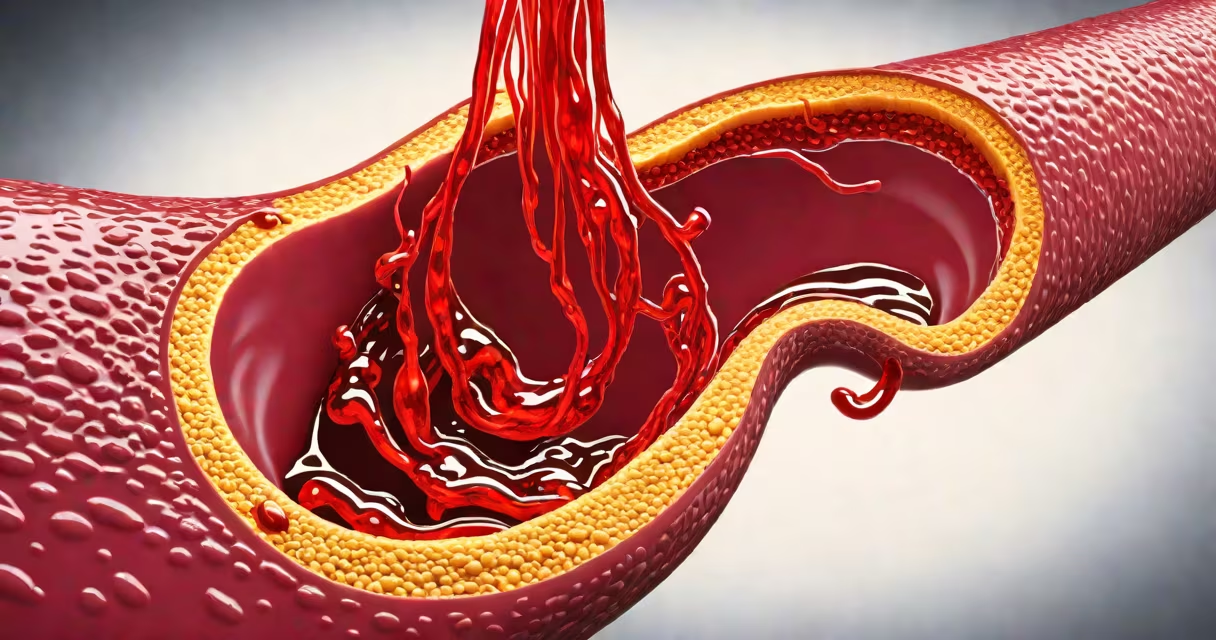
Bleeding in the upper gastrointestinal tract originates in the esophagus, stomach, or duodenum and most commonly results from peptic ulcers, esophageal varices, or gastritis caused by NSAIDs, alcohol, or *Helicobacter pylori* infection. The condition requires urgent evaluation due to risk of shock or death.
Upper GI bleeding occurs when blood vessels in the upper digestive tract rupture or erode. This can happen suddenly or develop gradually. The source is typically visible during endoscopy, which is the gold standard for diagnosis. Blood may appear as bright red in vomit (hematemesis) or black, tarry stools (melena), depending on how far down the GI tract the blood travels before expulsion.
According to the American Gastroenterological Association, approximately 100,000 hospitalizations annually in the U.S. involve upper GI bleeding, with a mortality rate of 5-10% in hospitalized patients. The condition is more common in adults over 60 and those with comorbidities such as liver disease or cardiovascular disorders.
The upper GI tract includes the esophagus, stomach, and duodenum-the first part of the small intestine. These areas are lined with mucosa that protect against acid and digestive enzymes. When this barrier fails, tissue damage leads to erosion or ulceration, exposing underlying blood vessels.
Ulcers form when the protective mucus layer is compromised. Factors like *H. pylori* bacteria, chronic NSAID use, or excessive alcohol intake reduce mucosal defense and increase acid exposure. Over time, this causes localized tissue breakdown. A perforated ulcer can bleed rapidly, leading to hemodynamic instability.
Varices-enlarged veins in the esophagus or stomach-develop in people with portal hypertension, usually due to cirrhosis. These veins lack structural support and can rupture under pressure. A single episode of variceal hemorrhage has a 30-day mortality rate of up to 20%, according to the American Association for the Study of Liver Diseases.
Peptic ulcers account for about 50% of upper GI bleeds. They occur in the stomach (gastric ulcers) or duodenum (duodenal ulcers). Duodenal ulcers are more common and often linked to *H. pylori* infection, which damages the mucosal lining and increases acid exposure. Gastric ulcers are more frequently associated with NSAID use or alcohol consumption.
Esophagitis, particularly reflux-related or infectious (such as candidiasis or herpes), can cause superficial mucosal tears. Severe cases lead to erosions and frank bleeding. Ingestion of corrosive substances like bleach or lye can cause immediate, life-threatening mucosal destruction.
Gastric varices result from portal hypertension. As blood flow through the liver is obstructed-often due to cirrhosis-blood reroutes through collateral vessels in the stomach and esophagus. These vessels dilate and thin, making them prone to rupture. Variceal bleeding accounts for roughly 15% of upper GI bleeds and is responsible for a disproportionate share of deaths.
| Common Cause | Prevalence in Upper GI Bleed Cases | Key Risk Factors | Diagnostic Clue |
|---|---|---|---|
| Peptic Ulcer Disease | ~50% | *H. pylori*, NSAIDs, alcohol | Endoscopic visualization of crater-like lesion |
| Esophageal Varices | ~15% | Cirrhosis, portal hypertension | Red, swollen veins in lower esophagus |
| Gastritis/Esophagitis | ~10% | Alcohol, NSAIDs, steroids, stress | Diffuse erythema or erosions |
| Malignancy | ~5% | Advanced age, history of cancer | Irregular mass or ulceration |
Nonsteroidal anti-inflammatory drugs (NSAIDs) like ibuprofen and naproxen are responsible for nearly 20% of upper GI bleeds. They inhibit COX-1 and COX-2 enzymes, reducing prostaglandin synthesis. Prostaglandins maintain mucosal integrity and regulate blood flow. Without them, the stomach lining becomes vulnerable to acid injury.
Alcohol contributes to both acute and chronic bleeding. Acute ingestion can cause erosive gastritis within hours. Chronic use leads to mucosal atrophy and increased risk of ulcers. Alcohol also impairs platelet function and coagulation, worsening bleeding outcomes.
Many assume that all upper GI bleeding is due to ulcers. While ulcers are the most frequent cause, varices and malignancies are often overlooked, especially in patients with known liver disease or a history of cancer. A patient with cirrhosis presenting with melena may have variceal bleeding rather than a peptic ulcer.
Another misconception is that aspirin alone causes significant upper GI bleeding. While low-dose aspirin increases risk, the absolute incidence remains relatively low. However, combining aspirin with other NSAIDs or anticoagulants dramatically raises bleeding risk. The combination of aspirin and clopidogrel increases upper GI bleed risk by 3.5-fold compared to aspirin alone, per a 2021 meta-analysis in *Gastroenterology*.
Patients often mistake coffee-ground emesis-a dark, granular appearance in vomit-for harmless debris. This material is actually partially digested blood, indicating active or recent upper GI bleeding. Delayed presentation due to misinterpreting symptoms worsens outcomes.
A 68-year-old man with osteoarthritis took daily ibuprofen for pain. After two weeks, he developed fatigue and passed black stool. He presented to the ER with a hemoglobin of 7.2 g/dL and hypotension. Endoscopy revealed a large, active duodenal ulcer with visible vessel. Biopsy confirmed no malignancy. He was treated with intravenous proton pump inhibitors, blood transfusion, and endoscopic injection therapy. His bleeding stopped within 24 hours.
This case illustrates how long-term NSAID use-even at over-the-counter doses-can lead to severe complications. The patient had no prior history of ulcers or GI issues. His risk factors were masked by routine medication use. Early recognition of melena and prompt endoscopy were critical to survival.
Any sign of upper GI bleeding-vomiting blood, passing black or tarry stools, dizziness, or fainting-requires immediate medical attention. Patients with known liver disease, heart failure, or kidney impairment are at higher risk for complications.
Initial management includes fluid resuscitation, blood transfusion if needed, and endoscopy within 24 hours. Endoscopic treatment-such as injection of epinephrine, heater probe coagulation, or band ligation-controls bleeding in over 90% of cases. For variceal bleeding, pharmacologic agents like octreotide reduce portal pressure and improve control rates.
Long-term prevention focuses on eliminating triggers. Patients on NSAIDs should receive gastroprotective agents like misoprostol or PPIs. Those with *H. pylori* require antibiotic triple therapy. Alcohol cessation and smoking reduction are essential for healing and recurrence prevention.
For individuals with advanced liver disease, prophylactic beta-blockers or endoscopic variceal ligation reduce rebleeding risk by 50%. The American College of Gastroenterology recommends screening for *H. pylori* in all patients with peptic ulcer disease, regardless of symptom severity.