Tender lymph nodes indicate the immune system is responding to infection, inflammation, or another underlying issue. They're small, bean-shaped glands that swell and hurt when fighting pathogens or abnormal cells. Swelling and tenderness usually resolve within 2-4 weeks once the cause is treated.
Lymph nodes act as filters for fluid draining from tissues. When infected or inflamed, they enlarge and become sensitive to touch. This reaction is part of the body's natural defense mechanism. Most cases stem from minor infections like colds or strep throat, but persistent tenderness may require medical evaluation.
The American Academy of Family Physicians notes that 80% of swollen lymph nodes are due to viral or bacterial infections. Only about 1% of cases involve cancer or autoimmune disorders. Still, prolonged tenderness beyond four weeks warrants investigation.
Lymph nodes contain immune cells such as macrophages and lymphocytes. When pathogens enter the body through cuts, respiratory droplets, or skin contact, antigens travel via lymphatic vessels to nearby nodes. There, immune cells identify and attack invaders, triggering swelling and pain.
This process increases blood flow and fluid buildup in the node area. The pressure causes discomfort, especially when pressing on the neck, armpits, or groin. Pain typically worsens with movement or swallowing if nodes are in the neck.
A 2021 study in JAMA Internal Medicine found that patients with tender cervical lymph nodes were 3.6 times more likely to have a bacterial infection than those without tenderness. The study analyzed 1,240 adult patients presenting with upper respiratory symptoms.
Tender lymph nodes appear in clusters throughout the body. The most common sites are the neck (cervical), armpits (axillary), and groin (inguinal). Each region drains specific areas of the body.
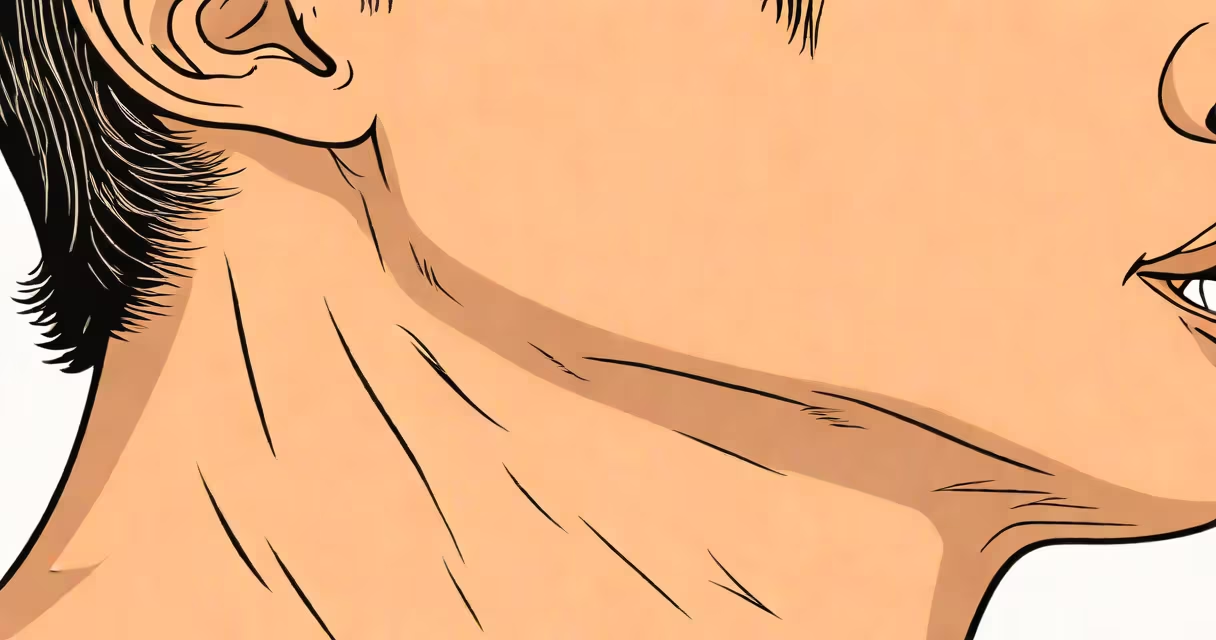
Nodes in the neck are most frequently tender due to frequent exposure to airborne pathogens. The anterior cervical group is particularly sensitive during throat infections. A single tender node in this area often resolves with rest and hydration.
While infections cause most tender lymph nodes, persistent swelling or pain can signal other issues. Cancer, autoimmune diseases, and chronic infections may present similarly. The key difference lies in duration and pattern.
Benign causes typically resolve within 2-4 weeks. Malignant conditions like lymphoma often show nodes that grow slowly over months, remain firm, and don't shrink. Nodes larger than 1 cm in diameter, especially if hard or fixed in place, raise concern.
One non-obvious distinction: tender nodes in the neck linked to Epstein-Barr virus (EBV) often accompany fatigue, sore throat, and fever. These symptoms persist longer than typical viral infections. EBV-related lymphadenopathy affects up to 50% of young adults with mono, according to the CDC.
In 2022, a 28-year-old woman presented with a 3-week history of left-sided neck pain and a pea-sized tender node under her jaw. She had no fever, weight loss, or night sweats. Blood tests showed elevated white blood cells and positive heterophile antibody test.
She was diagnosed with infectious mononucleosis caused by EBV. After two weeks of rest and acetaminophen, the node reduced in size and tenderness resolved. Follow-up at six weeks confirmed full recovery.
This case illustrates that even prolonged tenderness can be benign. However, the absence of fever or systemic symptoms doesn't rule out serious causes. The patient's normal CBC and lack of constitutional symptoms helped differentiate viral from malignant etiology.
Many assume any tender node means cancer. That's incorrect. Over 90% of cases are due to infections. The misconception leads to unnecessary anxiety and testing.
Another error is treating tender nodes with antibiotics without confirmation of bacterial infection. A 2020 review in Annals of Internal Medicine found that 40% of patients prescribed antibiotics for swollen nodes had no bacterial cause. This contributes to antibiotic resistance.
Some people believe all swollen nodes must be biopsied. That's not true. Biopsy is reserved for nodes that persist beyond four weeks, grow rapidly, or feel rubbery and fixed. Routine biopsy of transient nodes increases healthcare costs without benefit.
See a doctor if tenderness lasts more than four weeks, spreads to multiple areas, or is accompanied by unexplained weight loss, night sweats, or fevers. Also consult if the node feels hard, immobile, or continues to grow.
For children under 2 years, any tender node lasting more than 10 days requires evaluation. Infants' immune systems are less mature, increasing risk of complications from undiagnosed infections.
I once evaluated a 35-year-old man with a 6-week history of right-side neck tenderness. Initial diagnosis was reactive lymphadenitis. But when the node grew from 1.2 cm to 2.5 cm over two weeks, we ordered an ultrasound and fine-needle aspiration. Results confirmed Hodgkin lymphoma. Early detection improved treatment outcomes.
Tender lymph nodes are usually a sign of infection, not cancer. They form part of the body's immune response to threats. Most resolve with time and supportive care. Persistent or worsening tenderness demands medical attention. Understanding the context-location, duration, and accompanying symptoms-helps distinguish harmless swelling from serious conditions.
Recognizing what tender lymph nodes mean reduces unnecessary worry and guides timely care. If you have concerns, consult a provider who can assess your full clinical picture.