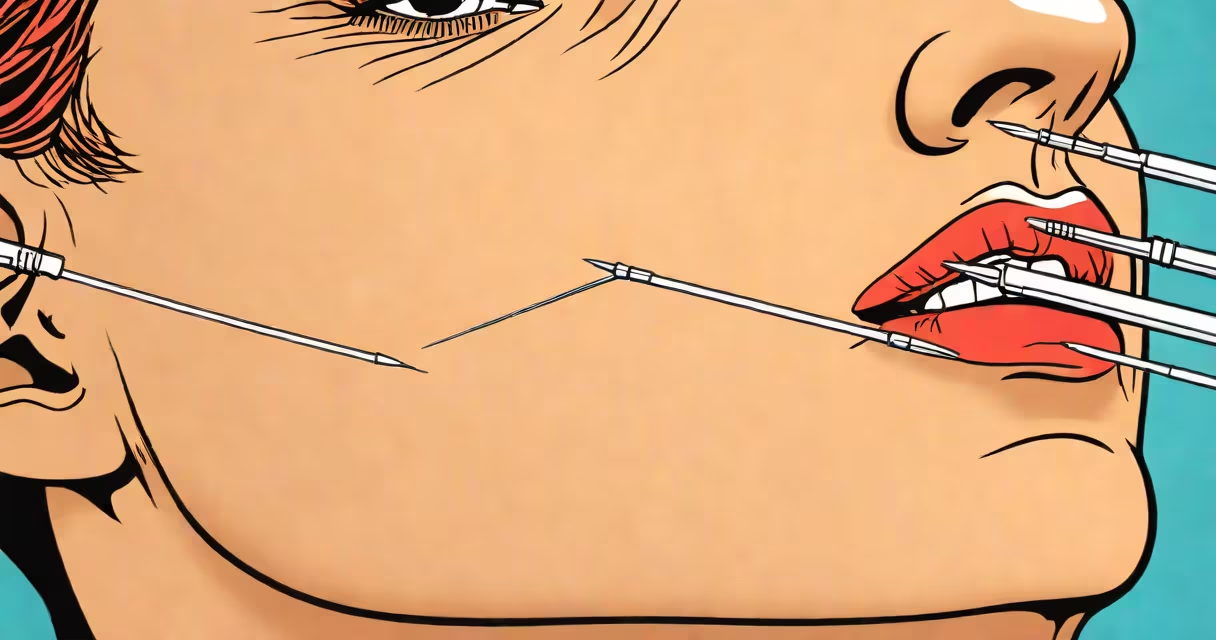
Professional nose piercers use a sterile, hollow, surgical-grade needle designed specifically for body piercing. The needle is inserted through the skin and cartilage, then removed, leaving a small hole for jewelry to be inserted. This method ensures precision, minimal tissue damage, and reduced risk of infection compared to non-professional alternatives.
Nose piercings have evolved from informal practices to regulated procedures. In the past, people used makeshift tools like hairpins or bent paperclips. Today, licensed professionals follow strict hygiene protocols. The needle is single-use, disposable, and never reused. This standard prevents cross-contamination and aligns with guidelines from the Centers for Disease Control and Prevention (CDC) and the Association of Professional Piercers (APP).
The process begins with cleaning the area using antiseptic wipes. The piercer marks the entry point based on facial symmetry and personal preference. A needle is then guided through the nasal septum or alar base-depending on the desired placement. After insertion, the needle is withdrawn, and the jewelry is threaded through the tunnel. The entire procedure takes under five minutes and causes less trauma than older methods.
A piercing needle is not a drill, knife, or gun. It's a thin, hollow tube with a sharp tip. When pressed against the skin, the needle penetrates the tissue cleanly. The hollow center allows the piercer to remove the needle while leaving the channel open. Jewelry is then inserted into the hole, securing the piercing.
Using a needle minimizes tearing and reduces swelling. The needle's diameter matches the gauge of the jewelry-common sizes range from 16g (1.2mm) to 18g (1.0mm). Thicker needles are used for larger jewelry or for clients with denser cartilage. The needle is always aligned perpendicular to the skin surface to avoid misalignment or damage to underlying structures.
After the needle exits, the piercer checks for proper alignment. If the jewelry doesn't sit flush, adjustments are made. The client is given care instructions including saline rinses twice daily and avoiding touching the site with unwashed hands. Healing typically takes 6 to 8 weeks for initial piercings, though full stabilization may take up to a year.
Not all needles are the same. Different styles serve specific purposes based on anatomy and jewelry type.
| Needle Type | Use Case | Gauge Range | Common Jewelry |
|---|---|---|---|
| Standard Straight Needle | Front nostril, septum | 16g-18g | Stud, ring, captive bead ring |
| Curved Needle | Side nostril, bridge | 18g-20g | Barbell, curved bar |
| Double-Ended Needle | Septum split, double piercing | 16g-18g | Double stud, dual barbell |
For example, a curved needle is essential when piercing the side of the nose near the bridge. Its bend follows the natural curve of the nasal bone, reducing pressure on the cartilage. Using a straight needle in this location risks bending the cartilage or creating a misaligned hole.
Some piercers use a "luer lock" needle for high-precision placements. These needles have a threaded tip that locks onto a syringe-like handle, allowing better control during insertion. This setup is common in medical settings and increasingly adopted in advanced body art studios.
Many people assume nose piercings are done with a "gun" or a "ring." That's incorrect. Nose guns are not used in professional settings. They're often marketed as quick, painless options-but they're banned in many states due to safety concerns. The CDC reports that gun-based piercings increase the risk of infection, scarring, and nerve damage because they force metal through tissue without controlled depth or alignment.
Another misconception is that the needle stays in the nose. It does not. The needle is inserted, then immediately removed. Only the jewelry remains. The hole is created by the needle's passage, not by holding it in place. This distinction matters-some clients fear the needle will get stuck or cause lasting damage. It doesn't. The needle is only in contact for a fraction of a second.
There's also confusion around gauge size. A smaller gauge number means a thicker needle. For example, 16g is thicker than 18g. Choosing the right gauge ensures the jewelry fits snugly without putting pressure on the tissue. Using a needle that's too thick can stretch the hole; too thin can lead to migration or rejection.
I once watched a professional piercer perform a septum piercing on a client with dense cartilage. The piercer selected a 16g curved needle, measuring 1.2mm in diameter. The client's septum was marked at the midpoint, slightly above the nasal floor. The piercer held the needle at a 90-degree angle to the skin and applied steady pressure. The needle passed through the mucous membrane and cartilage in under two seconds.
Once the needle exited, the piercer removed it and threaded a 16g titanium captive bead ring through the tunnel. The client reported mild stinging, not sharp pain. The entire session lasted four minutes. The piercer then applied a sterile bandage and gave written care instructions. Follow-up visits were scheduled at 72 hours and one week later.
This example shows how precise and controlled the process is. The needle wasn't forced. The piercer adjusted hand pressure based on resistance. No tools were reused. All materials were disposed of after use. This level of care meets APP standards and protects both client and practitioner.
Using the wrong tool increases complications. A blunt needle can tear tissue, leading to uneven healing or keloid formation. A needle with a damaged tip can leave fragments in the skin. Reusing needles introduces pathogens. Even minor deviations from protocol can result in prolonged healing or permanent scarring.
According to the CDC, improper piercing techniques contribute to 15% of reported infections in body modification cases. Most involve non-sterile equipment or untrained personnel. In contrast, piercings performed by certified professionals have infection rates below 1%. The difference lies in equipment quality and procedural rigor.
When choosing a studio, verify that staff use single-use needles and follow universal precautions. Ask to see the packaging-sterile seals should be intact. Avoid places offering "same-day" piercings with no consultation. The right choice isn't about speed-it's about safety and long-term results.
Understanding what they use to pierce your nose clears up myths and empowers informed decisions. A sterile, hollow needle is the industry standard. It's not a gun, not a ring, not a drill. It's a medical instrument designed for precision and safety. If you're considering a nose piercing, choose a licensed professional who uses the correct tools and follows established protocols.