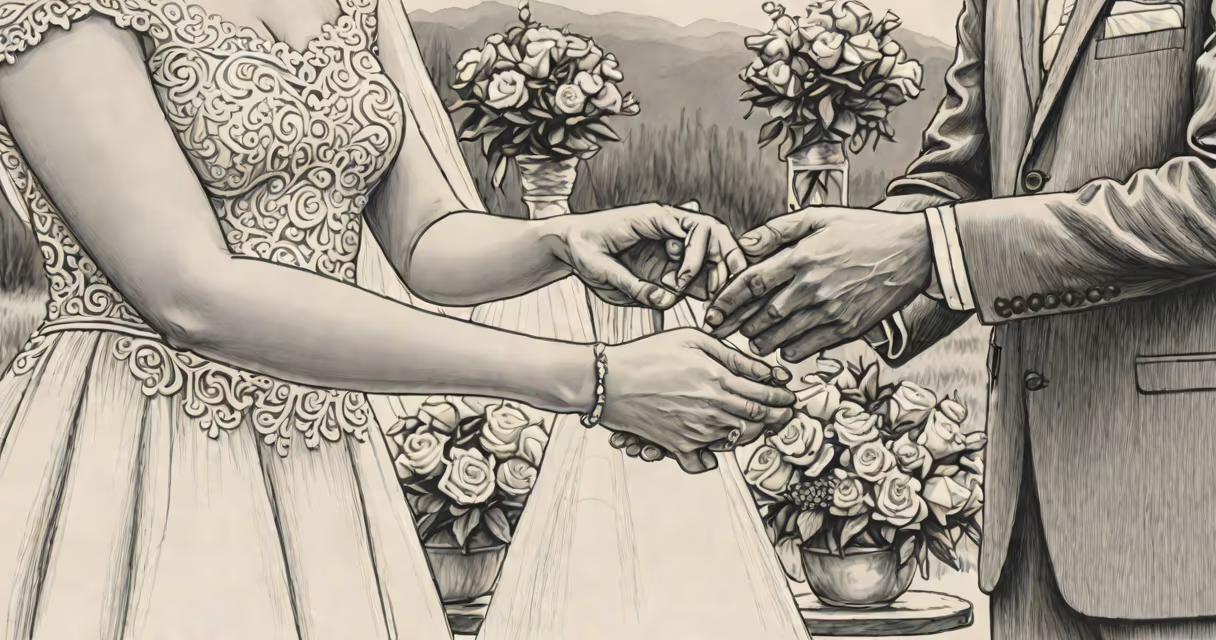
When you get married, you enter a legally recognized union through a formal ceremony and documentation process. This includes obtaining a marriage license, performing a ceremony with a licensed officiant, and filing the marriage certificate with the state. The act officially establishes your marital status under law.
Marriage begins with a legal contract. In most U.S. states, you must apply for a marriage license at a county clerk's office. The application requires both parties' government-issued IDs, proof of age (typically 18 or older), and sometimes a blood test or waiting period. These requirements vary by state-some allow online applications, others require in-person visits.
After securing the license, you choose a ceremony format. This can be religious, civil, or symbolic. A licensed officiant-such as a judge, minister, or justice of the peace-must perform the ceremony. The couple exchanges vows, signs the license, and the officiant certifies it. The license becomes a marriage certificate upon submission to the county recorder.
Once the ceremony ends, the official paperwork is filed. The county clerk issues a certified copy of the marriage certificate. This document is required for changing your name, updating Social Security records, filing joint taxes, and applying for spousal benefits. Without it, your marriage isn't legally recognized.
You may also begin new financial responsibilities. Joint bank accounts, shared credit cards, and estate planning documents like wills and trusts often follow marriage. Couples typically update their health insurance, auto insurance, and life insurance policies to reflect their new status. For example, a spouse can be added to a policy within 30 days of the wedding date.
Many couples celebrate with a reception, but this is optional. Some choose a quiet dinner or travel instead. The emotional and social aspects of marriage-building trust, setting expectations, and managing finances-are ongoing. Research from the Pew Research Center shows that 68% of married adults report being very happy in their relationship, though satisfaction often declines slightly after the first year.
People often assume that a wedding ceremony makes a marriage legal. That's false. The ceremony validates the union, but the license and certificate are what make it binding under state law. A private vow exchange without a license is not legally recognized-even if performed by a religious leader.
Another misconception is that you can marry without a ceremony. While some states recognize common-law marriage, it requires cohabitation and public acknowledgment of the relationship for a set period-usually years. Most people cannot claim marriage without a formal event and paperwork.
A lesser-known fact: some states issue marriage licenses valid for only 60 days. If you don't use the license within that window, it expires. In California, for example, the license is valid for 90 days. Missing the deadline means reapplying and paying fees again.
Marriage types differ by formality and location. Here's how they compare:
| Type | Requires Ceremony? | License Validity | State Examples |
|---|---|---|---|
| Civil Ceremony | Yes | 60-90 days | New York, Texas |
| Religious Ceremony | Yes | 60-90 days | Florida, Illinois |
| Common-Law Marriage | No | Varies; requires cohabitation & intent | Colorado, Iowa |
| Same-Sex Marriage | Yes | 60-90 days | Nationwide since 2015 |
Same-sex marriages are legally recognized in all 50 states following the Obergefell v. Hodges Supreme Court decision in 2015. States cannot deny licenses based on gender identity or sexual orientation.
I once attended a courthouse wedding in Austin, Texas. The couple applied online, showed up with IDs, paid $72, and had their ceremony in a 15-minute session with a justice of the peace. They left with a signed license and a receipt. No guests. No cake. Just the legal act of becoming spouses.
After the ceremony, you'll need to update your legal documents. Change your name with the Social Security Administration, apply for a new driver's license, and notify banks and employers. If you're moving to a new state, you may need to register your marriage with local authorities.
Marriage is both a personal commitment and a legal contract. What you do when you get married involves completing forms, attending a ceremony, and updating official records. The process varies by state, but the outcome remains consistent: two individuals become legally bound partners.