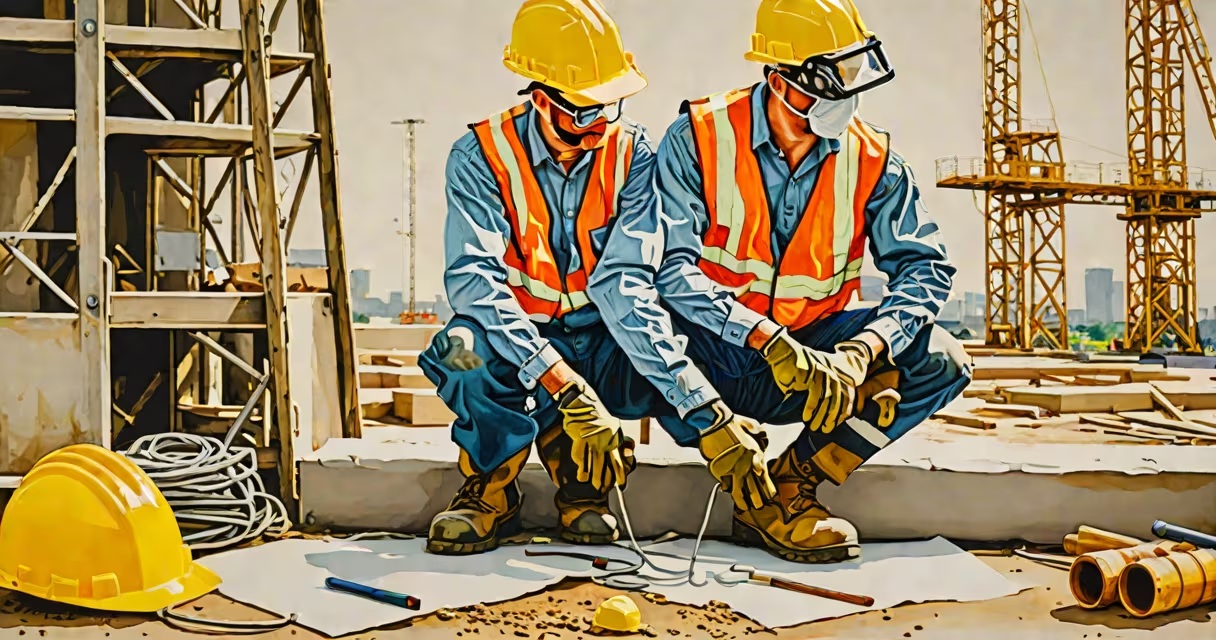
PPE stands for personal protective equipment-items worn to reduce exposure to physical, chemical, biological, or environmental hazards in workplaces. It's the last line of defense when engineering controls and administrative procedures aren't enough.
The Occupational Safety and Health Administration (OSHA) defines PPE as "equipment that protects workers from serious injury or illness resulting from contact with chemical, radiological, physical, electrical, mechanical, or other hazards." This includes items like gloves, eye protection, respirators, helmets, and protective clothing.
For example, a welder uses a face shield, flame-resistant jacket, and leather gloves to protect against burns, flying debris, and intense light. These are all forms of PPE. Without them, even brief exposure to welding arcs can cause permanent eye damage or skin burns.
PPE functions by creating a barrier between the worker and a hazard. It doesn't eliminate the danger-it reduces risk. The effectiveness depends on proper selection, fit, maintenance, and consistent use.
When selecting PPE, employers must assess the specific risks in a job. A lab technician handling corrosive acids wears chemical-resistant gloves and a lab coat. A warehouse worker lifting heavy boxes may wear steel-toed boots and a back brace. Each piece addresses a known threat.
According to OSHA, PPE must be provided at no cost to employees when required by law. Employers are responsible for ensuring that PPE fits correctly and that workers are trained in its use. Ill-fitting gear fails to protect-gloves too large reduce grip strength, masks that don't seal properly allow airborne particles through.
There are six main categories of PPE based on the type of hazard they address:
| Type | Hazard Type | Examples | Common Use Cases |
|---|---|---|---|
| Head Protection | Falling objects, impact | Hard hats, bump caps | Construction, mining, manufacturing |
| Eye & Face Protection | Debris, chemicals, radiation | Goggles, face shields, safety glasses | Welding, laboratory work, woodworking |
| Respiratory Protection | Particles, gases, vapors | Disposable masks, N95 respirators, full-face respirators | Painting, asbestos removal, healthcare settings |
| Hand Protection | Cuts, burns, chemicals | Gloves (latex, nitrile, cut-resistant) | Food service, auto repair, chemical handling |
| Body Protection | Impact, heat, chemicals | Protective suits, aprons, vests | Firefighting, industrial cleaning, medical procedures |
| Foot Protection | Heavy objects, sharp materials | Steel-toed boots, slip-resistant shoes | Warehousing, construction, utility work |
Each category follows standards set by the American National Standards Institute (ANSI) and the International Organization for Standardization (ISO). For example, ANSI Z87.1 governs eye protection, specifying minimum impact resistance and optical clarity.
Non-obvious fact: Not all PPE is reusable. Disposable gloves, surgical masks, and certain respirator filters degrade over time-even if unused. A mask stored in a warm, humid environment for six months loses filtration efficiency. Reusing single-use PPE violates safety protocols and increases infection risk.
Many people assume PPE is optional or only needed during emergencies. That's incorrect. PPE is mandatory in regulated environments. OSHA enforces compliance through inspections and fines-up to $15,625 per violation.
Another mistake is thinking one-size-fits-all PPE works for everyone. A 2022 study published in the Journal of Occupational and Environmental Hygiene found that 38% of female workers reported ill-fitting PPE, leading to reduced mobility and increased fatigue. Women are underrepresented in PPE design testing, which skews sizing toward male anatomy.
I once observed a factory floor where workers wore oversized hard hats because the supply room only stocked one size. When a beam shifted during maintenance, a falling tool struck a worker's head-despite the helmet. The helmet didn't cover the temples due to poor fit. The incident led to a company-wide audit and redesign of PPE distribution protocols.
PPE is not a substitute for hazard elimination. Engineering controls-like machine guards, ventilation systems, or automated processes-are more effective at preventing harm. PPE is secondary.
Also, PPE does not guarantee complete safety. A firefighter in a Level B suit (chemical-resistant, but not air-tight) can still absorb toxins through skin pores. Full-body suits with positive-pressure air supplies are required for high-concentration exposures.
Some confuse PPE with general safety gear. A high-visibility vest is not PPE-it's part of a visual safety system. It alerts others to presence but offers no physical protection. Only items that shield the body from direct harm qualify as PPE.
In healthcare, PPE prevents transmission of infectious diseases. During the 2020 pandemic, hospitals reported a 40% drop in staff infections when N95 masks were consistently worn during aerosol-generating procedures, according to a CDC study.
In oil and gas operations, fall protection harnesses prevent fatal accidents. The Bureau of Safety and Environmental Enforcement reports that 72% of worker fatalities in offshore drilling were due to falls from height-most of which occurred without proper PPE use.
Every year, OSHA records over 200,000 non-fatal injuries related to inadequate or missing PPE. These include burns, lacerations, hearing loss, and respiratory illnesses. Most are preventable with correct equipment and training.
Understanding what PPE stands for in safety means recognizing it as a critical, science-backed layer of protection-not a formality. It's not optional. It's not a backup. It's essential.