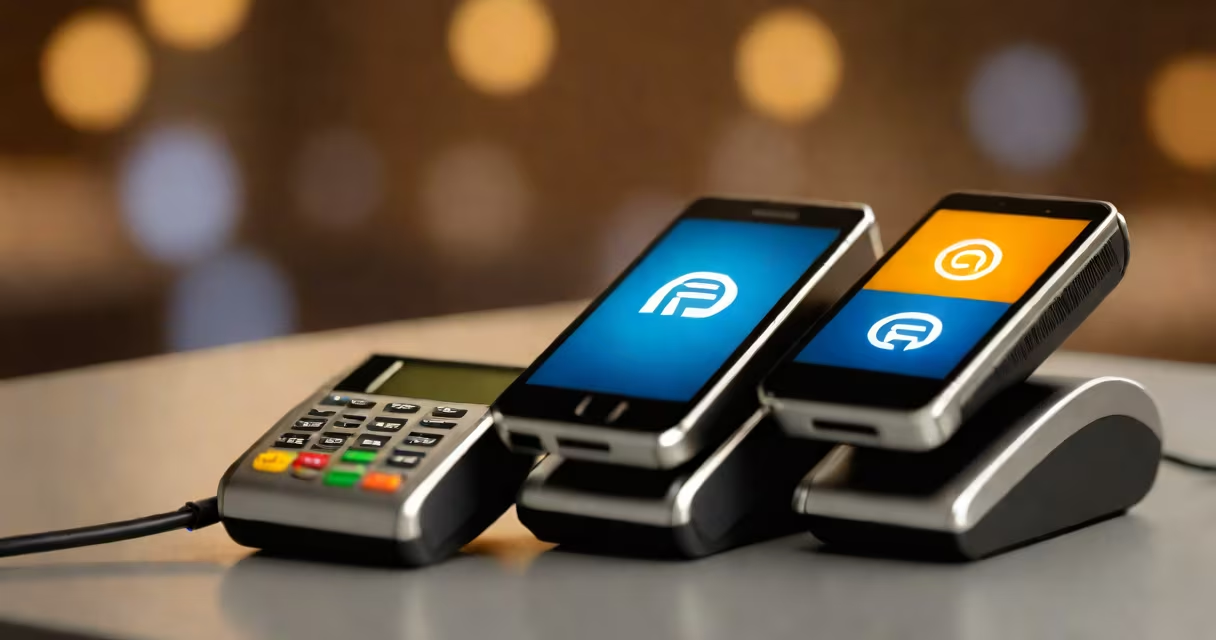
An NFC-enabled device contains a chip that supports Near Field Communication, allowing it to exchange data wirelessly with other compatible devices when placed within 4 centimeters. These devices read and write information using radio waves, enabling quick, secure interactions like contactless payments, access control, and pairing with smart objects.
NFC operates at 13.56 MHz and transfers data at speeds up to 424 kbit/s. It requires no pairing or setup-just tap and go. The technology is built into smartphones, tablets, wearables, credit cards, and even key fobs. It's designed for low-power, short-range communication, making it ideal for secure transactions and everyday convenience.
According to the NFC Forum, over 10 billion NFC-enabled devices were in use globally by 2023, with adoption accelerating in retail, transportation, and healthcare sectors. The standard is maintained by the NFC Forum, a nonprofit group that includes companies like Apple, Google, Samsung, and Microsoft.
NFC enables two-way communication between devices when they're within close proximity-typically less than 4 cm. Unlike Bluetooth, which requires manual pairing, NFC establishes a connection automatically upon contact. This makes it faster and simpler for tasks like sharing contacts, connecting headphones, or authorizing payments.
The process begins when an NFC-enabled device activates its radio frequency field. A second device, such as a payment terminal or smart poster, detects this field and responds. Data is exchanged through modulated radio signals, often carrying URLs, text, or encrypted credentials. The entire interaction takes less than a second.
For example, when you tap your phone on a transit card reader, the device sends your account details via NFC. The reader verifies the information, deducts the fare, and confirms the transaction-all in under half a second. This speed and simplicity make NFC ideal for high-volume environments like subway stations or grocery checkout lines.
NFC functionality varies based on mode and role. Devices operate in three modes: reader/writer, peer-to-peer, and card emulation. Most consumer devices support multiple modes.
| Mode | Function | Common Use Cases | Example Devices |
|---|---|---|---|
| Reader/Writer | Reads or writes data to passive NFC tags | Scanning posters, accessing product info, setting up smart home devices | Smartphones, tablets, laptops |
| Peer-to-Peer | Exchanges data between two active NFC devices | Sharing photos, exchanging contact details, pairing Bluetooth devices | Smartphones, smartwatches |
| Card Emulation | Acts like a physical card (e.g., credit card, transit pass) | Contactless payments, public transport tickets, building access | Apple Pay users, Google Wallet, Samsung Pay |
Not all NFC devices perform equally. Some older phones lack NFC entirely. Others have limited capabilities-such as reading tags but not writing them. Always check the specifications before assuming a device supports full NFC functionality.
NFC is widely deployed in mobile payments. Apple Pay, Google Wallet, and Samsung Pay all rely on NFC to authenticate transactions. When you tap your phone at a store terminal, the device sends a tokenized version of your card number-not the actual number-to prevent fraud. This system is backed by EMVCo, the global standards body for chip-based payments.
Public transit systems around the world use NFC for ticketing. London's Oyster card, Tokyo's Suica, and New York's OMNY all use NFC-enabled cards or phones. Riders tap their device on a reader, and the fare is deducted instantly. According to Transport for London, over 90% of journeys on the Underground now use contactless payment, reducing queue times and improving throughput.
Smart homes also benefit from NFC. You can pair a smart light bulb by tapping your phone to it. The device transfers Wi-Fi credentials securely without requiring a password. Similarly, NFC tags embedded in furniture can trigger actions-like turning on lights when you walk into a room.
NFC is not the same as RFID. While both use radio waves, RFID operates at longer ranges (up to several meters) and is typically used for inventory tracking or access badges. NFC is a subset of RFID, standardized for short-range, secure communication. Confusing the two leads to misunderstandings about security and range.
Another misconception is that NFC is inherently insecure. In reality, NFC transactions are protected by encryption, tokenization, and hardware security modules. For example, Apple's Secure Enclave stores payment credentials in a dedicated chip isolated from the main processor. Even if a phone is compromised, the data remains inaccessible.
A lesser-known fact: NFC can work without power. Passive NFC tags-like those on posters or product packaging-draw energy from the reader's radio field. They don't need batteries. This allows for low-cost, long-lasting applications such as anti-counterfeiting labels or interactive museum displays.
I once tested an NFC tag on a vintage book cover during a museum exhibit. The tag, embedded beneath a protective film, triggered a video interview with the author when tapped with my phone. The tag had no battery and lasted over five years with no maintenance. That experience showed me how durable and practical NFC can be in real-world settings.
Check your device's specifications. Most modern smartphones released since 2015 support NFC. Look for "NFC" in the features list under "Connectivity." On Android, go to Settings > Connected devices > Connection preferences > NFC. On iOS, NFC is enabled by default for Apple Pay and some apps, but it's not accessible for general use.
If your phone doesn't show NFC in settings, it may not support the feature. Older models like the iPhone 6 and earlier do not have NFC capability. However, newer models including the iPhone 7 and later support it for Apple Pay and other services.
For non-phone devices, look for the NFC logo-a stylized wave pattern resembling a handshake. It appears on credit cards, hotel keys, and smart badges. The presence of this symbol indicates NFC compatibility.
An NFC-enabled device simplifies daily interactions through secure, instant communication. From paying for coffee to unlocking doors, it reduces friction in routine tasks. As more services adopt contactless methods, understanding how NFC works becomes essential for privacy, safety, and usability.