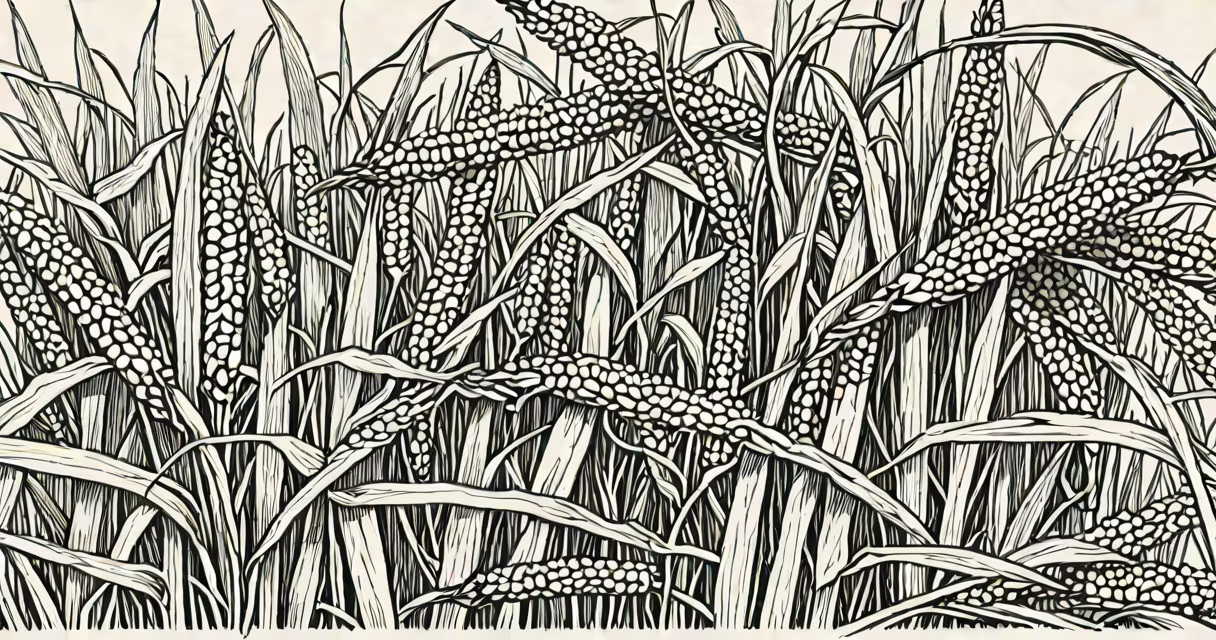
A source of biomass refers to any organic material derived from plants, animals, or microorganisms that can be used as fuel or raw material for energy production. These materials come from living or recently living organisms and include agricultural residues, forestry byproducts, dedicated energy crops, and organic waste streams.
Biomass sources convert stored solar energy into usable forms through combustion, anaerobic digestion, or biochemical conversion. The most common applications are electricity generation, heating, and biofuel production. According to the U.S. Department of Energy, biomass accounts for about 50% of renewable energy use in the United States, making it a major component of national clean energy strategies.
Not all organic matter qualifies as a viable biomass source. For example, municipal solid waste contains contaminants that reduce efficiency and increase emissions. Only materials with consistent energy density, low moisture content, and minimal toxic elements are suitable for large-scale processing. The International Energy Agency notes that sustainable sourcing avoids competition with food production and protects biodiversity.
When burned or processed, biomass releases stored chemical energy as heat. This heat can generate steam to drive turbines for electricity or provide direct thermal energy. Anaerobic digestion breaks down organic matter in oxygen-free environments, producing biogas rich in methane. That gas powers generators or is upgraded to renewable natural gas.
Conversion methods vary by feedstock. Wood chips burn efficiently in industrial boilers. Corn stover undergoes pretreatment and enzymatic hydrolysis to release fermentable sugars for ethanol. Algae grow rapidly in controlled ponds and yield high oil content for biodiesel. Each process requires specific infrastructure and input quality.
For example, a 50-megawatt biomass power plant in Oregon uses whole-tree logging residues and sawmill waste. The facility processes 120,000 tons annually, generating enough electricity to power 40,000 homes. It achieves a net carbon reduction of 180,000 metric tons of CO₂ equivalent per year compared to coal-fired alternatives, according to the National Renewable Energy Laboratory.
The following table outlines primary categories of biomass feedstocks, their typical origins, and key characteristics.
| Type | Common Examples | Energy Density (MJ/kg) | Key Challenges |
|---|---|---|---|
| Agricultural residues | Corn stover, wheat straw, sugarcane bagasse | 16-18 | Seasonal availability, variable moisture |
| Forest residues | Logging slash, bark, branches | 17-20 | Low bulk density, transport costs |
| Dedicated energy crops | Switchgrass, miscanthus, poplar trees | 15-19 | Land use competition, long growth cycles |
| Organic waste | Food scraps, manure, sewage sludge | 10-15 | Contaminants, pathogen risk |
Each category offers distinct advantages. Agricultural residues are abundant and often underutilized. Forest residues repurpose waste from timber operations. Dedicated crops like switchgrass grow on marginal land unsuitable for food crops. Organic waste diverts material from landfills while capturing methane.
One lesser-known fact: algae-based biomass has a higher energy yield per hectare than terrestrial crops. A 2022 study published in Nature Energy found that certain microalgae species produce up to 50,000 liters of biodiesel per hectare annually-nearly ten times more than soybean or palm oil systems.
Industrial facilities in the U.S., EU, and China rely on biomass sources to meet renewable portfolio standards. In Sweden, district heating networks run on wood pellets sourced from sustainably managed forests. Over 80% of the country's heating demand is met through bioenergy, reducing dependence on imported fossil fuels.
Developing nations use biomass for basic energy needs. In rural India, small-scale biogas digesters convert cow dung into cooking fuel, replacing firewood and reducing indoor air pollution. The World Bank estimates such systems prevent 1.5 million premature deaths annually due to respiratory illness linked to traditional cooking methods.
Many people confuse biomass with biofuels like ethanol or biodiesel. While both derive from organic matter, biomass refers to the raw material itself-such as wood chips or crop residue-whereas biofuels are refined products. Ethanol is a liquid fuel made from fermented sugars; it is not biomass.
I once visited a pilot facility in Iowa that converted corn stover into cellulosic ethanol. The process involved grinding the stalks, treating them with dilute acid, then using enzymes to break down cellulose into glucose. After fermentation and distillation, the output was gasoline-grade ethanol. The plant operated at 70% efficiency, slightly below theoretical maximums due to enzyme degradation and contamination risks.
Some assume all biomass is carbon-neutral. That's incorrect. If harvesting exceeds regrowth rates or displaces ecosystems, biomass can emit more CO₂ over time than fossil fuels. The European Commission's Joint Research Centre found that certain forest biomass projects had a carbon debt lasting over 100 years before breaking even.
Another myth is that biomass must come from farmland. In reality, 40% of global biomass potential lies in non-arable areas, including degraded soils and coastal zones. The Food and Agriculture Organization reports that integrating energy crops into agroforestry systems increases soil carbon sequestration and reduces erosion.
Finally, biomass is not synonymous with "green" energy. Environmental impact depends on sourcing, processing, and transportation. A biomass plant using imported wood pellets shipped across oceans may have a larger carbon footprint than a local natural gas generator.