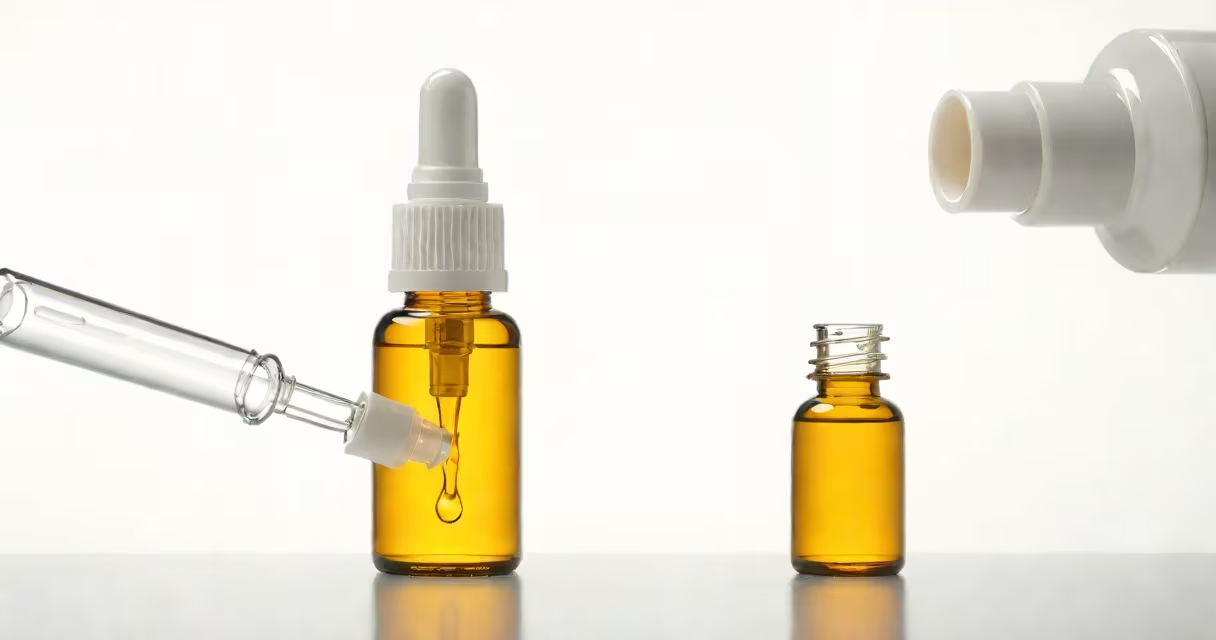
Azelastine nasal spray is a prescription antihistamine used to treat symptoms of allergic rhinitis, including sneezing, runny nose, and nasal itching. It works by blocking histamine receptors in the nasal passages, reducing inflammation and allergic reactions.
Approved by the U.S. Food and Drug Administration (FDA), azelastine nasal spray is available under brand names such as Astepro and is prescribed for both seasonal and year-round allergies. It is not a steroid, though it acts quickly-symptoms often improve within 15 minutes of use.
Unlike oral antihistamines, which circulate through the bloodstream, azelastine delivers medication directly to the nasal lining. This targeted delivery reduces systemic side effects while maintaining effectiveness. The drug is available in a 0.1% concentration and is administered as one spray per nostril twice daily.
Azelastine blocks H1 histamine receptors in the nasal mucosa. When allergens like pollen or dust mites enter the nose, immune cells release histamine, triggering swelling, mucus production, and itching. By binding to these receptors, azelastine prevents that chain reaction.
The drug is absorbed locally in the nasal epithelium. Studies show that peak plasma concentrations occur within 30 minutes of administration, but most patients report symptom relief within 15 to 30 minutes. This rapid onset makes it effective for acute allergy flare-ups.
One clinical trial published in The Journal of Allergy and Clinical Immunology found that 78% of patients using azelastine reported significant improvement in nasal congestion and sneezing after seven days of twice-daily use, compared to 42% in the placebo group.
Azelastine nasal spray is available in two primary formulations:
| Formulation | Brand Name | Dose | Use Frequency | Prescription Status |
|---|---|---|---|---|
| Single-use vial | Astepro | 0.1% (100 mcg per spray) | Two sprays per nostril twice daily | Prescription required |
| Re-sealable bottle | Astepro | 0.1% (100 mcg per spray) | One spray per nostril twice daily | Prescription required |
Both forms deliver the same active ingredient. The single-use vials are designed for travel or convenience, while the refillable bottles offer cost savings over time. The FDA notes that the single-use version maintains potency for up to 12 months when stored properly.
It is important to distinguish azelastine from other nasal sprays. Unlike corticosteroid sprays such as fluticasone (Flonase), which reduce inflammation over several days, azelastine provides faster relief. However, it may not be as effective long-term for severe nasal polyps or chronic sinusitis.
Azelastine nasal spray is FDA-approved for treating allergic rhinitis caused by environmental allergens. It is effective against symptoms triggered by tree pollen, grass, mold spores, pet dander, and dust mites.
For example, a 34-year-old woman with seasonal hay fever reported reduced sneezing and nasal itching after using one spray per nostril twice daily during spring. Her symptoms improved within three days, allowing her to return to outdoor activities without discomfort.
According to the American Academy of Allergy, Asthma & Immunology (AAAAI), azelastine is recommended as a first-line treatment for mild to moderate allergic rhinitis due to its rapid onset and low risk of sedation. The AAAAI notes that unlike older antihistamines such as diphenhydramine, azelastine crosses the blood-brain barrier minimally, reducing drowsiness in most users.
Azelastine is frequently mistaken for saline sprays or decongestants. Salinase nasal spray, for instance, contains only saltwater and is used to rinse nasal passages. It does not treat allergic reactions. Glucagon nasal spray, used for diabetic emergencies, is unrelated and should never be substituted.
Another common error is confusing azelastine with intranasal corticosteroids. While both are used for nasal allergies, they differ in mechanism and timing. Corticosteroids take 2-3 days to reach full effect and are better for persistent inflammation. Azelastine works faster but may require consistent use to maintain control.
One non-obvious fact: azelastine has anti-inflammatory properties beyond histamine blockade. Research shows it inhibits the release of leukotrienes and other mediators involved in allergic inflammation. This dual action contributes to its effectiveness even in patients with mixed allergic and non-allergic rhinitis.
The most common side effects include a bitter taste, nasal burning, or headache. These occur in fewer than 5% of users. Serious adverse events are rare. The FDA reports no cases of significant cardiovascular events linked to azelastine use in clinical trials.
I used Astepro during a high-pollen season last spring. After two weeks of twice-daily use, my morning sneezing fits dropped per day. The bitter aftertaste was noticeable but manageable. I did not experience drowsiness, which surprised me since I'd assumed all antihistamines caused fatigue.
Patients with a history of asthma should consult their doctor before use. Although azelastine is not contraindicated in asthma, some individuals report increased airway sensitivity. The National Institutes of Health (NIH) advises caution in those with severe nasal obstruction or recent nasal surgery.
Apply one spray in each nostril twice daily-morning and evening. Shake the bottle before use. Tilt your head slightly forward, insert the nozzle, and press the pump while breathing gently through your mouth.
Do not share the applicator tip. Clean the nozzle weekly with warm water and let it air dry. Do not immerse the entire device in water.
If you miss a dose, apply it as soon as you remember. Do not double the dose. Overuse increases the risk of local irritation and rebound congestion.
Azelastine nasal spray requires a prescription. It is not available over the counter. Insurance plans typically cover it, especially under formulary options for allergy management.
For emergency situations involving hypoglycemia, glucagon nasal spray is used instead. It is not interchangeable with azelastine and serves a completely different medical purpose.
Azelastine nasal spray is a targeted, fast-acting treatment for allergic rhinitis. Its ability to relieve symptoms rapidly with minimal systemic impact makes it a valuable tool in managing seasonal and chronic nasal allergies. Always follow your provider's instructions for safe and effective use.