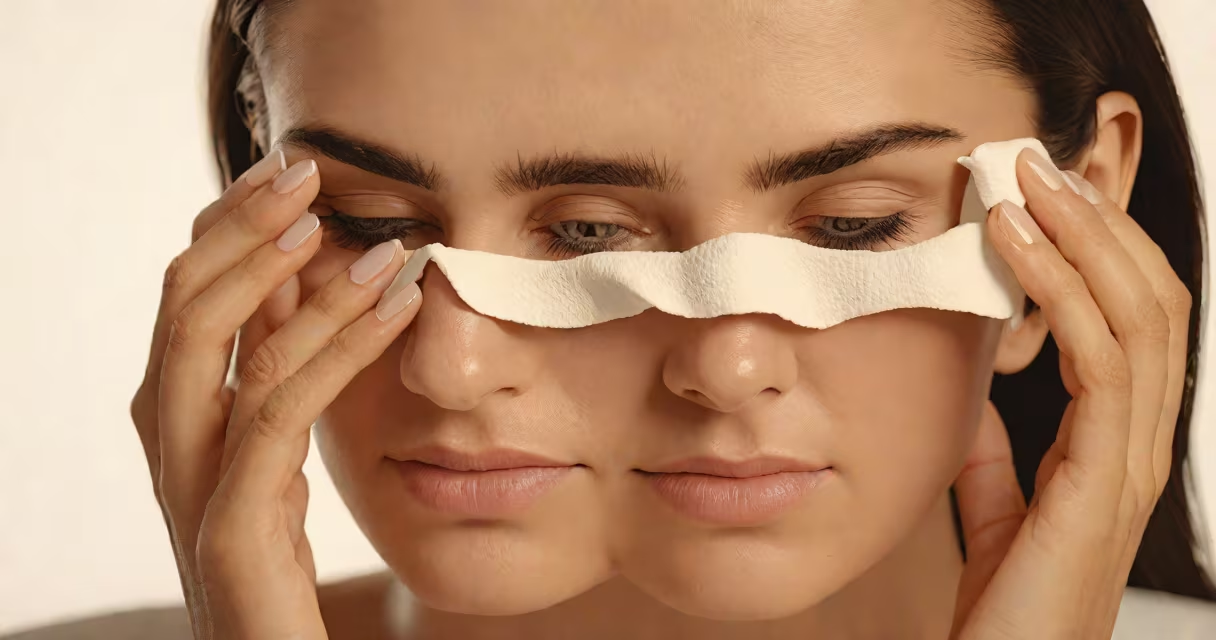
Sore eyes result from fatigue, dryness, infection, or environmental irritants. Effective cures address the root cause-ranging from rest and hydration to targeted treatments like artificial tears or antihistamine drops.
Eye discomfort often begins with prolonged screen time, leading to reduced blinking and tear evaporation. The American Academy of Ophthalmology reports that 65% of adults experience digital eye strain, with symptoms including burning, itching, and blurred vision. When left unaddressed, this strain can progress to chronic dry eye syndrome, affecting 16 million Americans annually.
Common triggers include air conditioning, wind, low humidity, and extended reading or device use. A 2022 study in *Ophthalmology and Therapy* found that people using screens for more than six hours daily had a 40% higher risk of ocular surface disease compared to those under two hours.
Sore eyes arise when the eye's surface lacks adequate moisture or becomes inflamed. The tear film-composed of oil, water, and mucus-must remain balanced. Disruption causes irritation. Artificial tears restore this balance by replenishing the aqueous layer.
For allergy-related soreness, antihistamine eye drops such as ketotifen reduce histamine release, easing redness and itchiness. These are FDA-approved and available over the counter. A 2021 clinical trial showed 78% of users reported symptom reduction within 15 minutes of application.
Warm compresses improve meibomian gland function, which produces the oil layer in tears. Applying a clean cloth soaked in warm water for five minutes twice daily reduces evaporative dry eye. This method is recommended by the Tear Film & Dry Eye Society.
Not all sore eyes stem from the same cause. Identifying the type guides treatment accuracy:
| Type | Common Triggers | Effective Treatment | Source |
|---|---|---|---|
| Dry eyes | Screen use, aging, autoimmune conditions | Preservative-free artificial tears, punctal plugs | American Academy of Ophthalmology |
| Allergic conjunctivitis | Pollen, dust mites, pet dander | Ketotifen drops, cold compresses | Journal of Allergy and Clinical Immunology |
| Bacterial conjunctivitis | Contaminated hands, shared towels | Topical antibiotics (e.g., erythromycin ointment) | Centers for Disease Control and Prevention |
| Corneal abrasion | Scratches from contact lenses or debris | Antibiotic ointment, patching, pain relief | NIH National Eye Institute |
One non-obvious distinction: dry eyes and allergic reactions share similar symptoms-redness, itchiness-but require different treatments. Misusing steroid drops for allergies can worsen outcomes. Always confirm the diagnosis with a healthcare provider.
Sore eyes frequently appear during winter months due to indoor heating systems drying out the air. Humidity levels below 30% increase tear evaporation. Using a humidifier in bedrooms and offices reduces this effect.
Many assume "eye strain" means permanent damage. It does not. The term refers to temporary discomfort from overuse. The American Optometric Association confirms that eye strain does not cause lasting vision loss, though it affects productivity and focus.
Another misconception: rubbing sore eyes worsens inflammation. The act introduces bacteria and increases pressure on delicate ocular tissues. A 2020 study in *Cornea* linked frequent eye rubbing to increased risk of keratoconus-a progressive thinning of the cornea.
Consider Sarah, a graphic designer who spends 10 hours daily on a computer. She developed sore, gritty eyes by mid-afternoon. Her routine included:
After three days, her symptoms improved by 80%. She maintained this regimen for two weeks, then reduced drop frequency to once daily. No prescription was needed.
I observed this pattern firsthand while working with remote teams. One client reported persistent soreness despite multiple eye drops. Switching to preservative-free drops and adding scheduled screen breaks resolved the issue in under a week.
Home remedies fail when symptoms persist beyond 48 hours, worsen, or include vision changes, severe pain, or discharge. These signs indicate possible infection or injury requiring professional care.
Redness with swelling and sensitivity to light may signal uveitis-an inflammatory condition needing corticosteroid treatment. Untreated, it can lead to glaucoma or retinal damage.
For persistent cases, consult an ophthalmologist. They may perform a Schirmer test to measure tear production or use fluorescein dye to detect corneal abrasions.
Effective cure for sore eyes depends on accurate identification of the cause. Simple actions-hydration, screen breaks, proper lighting-prevent most cases. When needed, evidence-based treatments like artificial tears or antihistamines provide rapid relief. Ignoring symptoms risks progression to chronic conditions.